



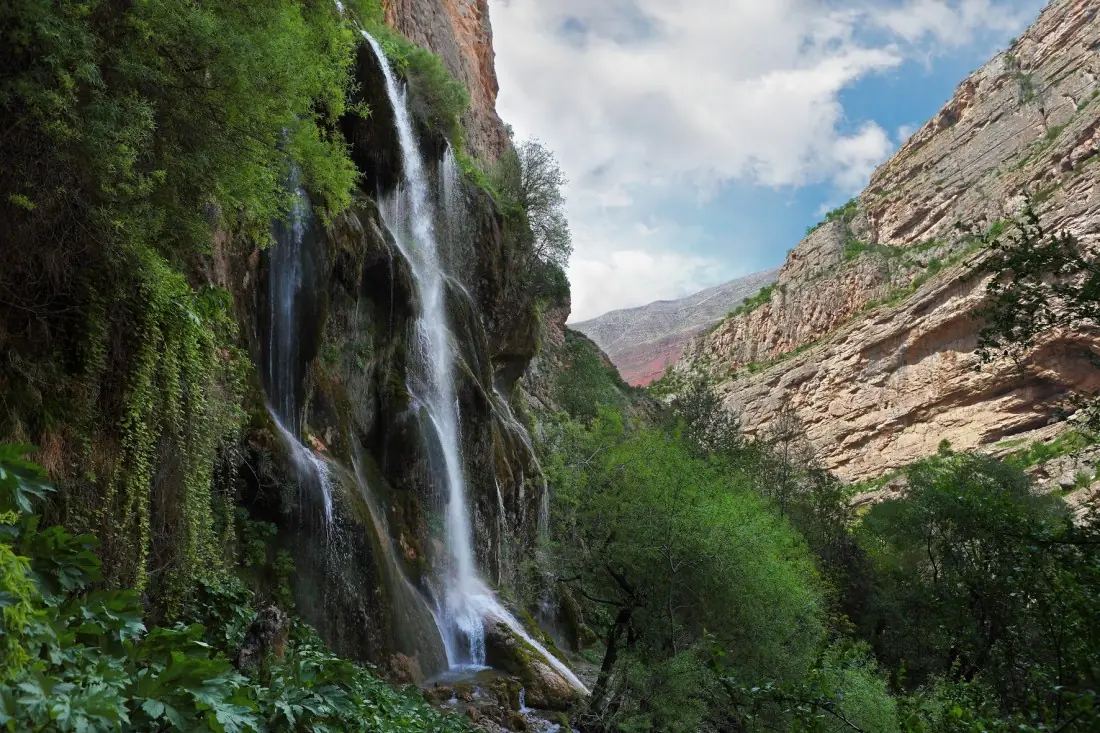
Surkhandarya
Welcome to Surkhandarya
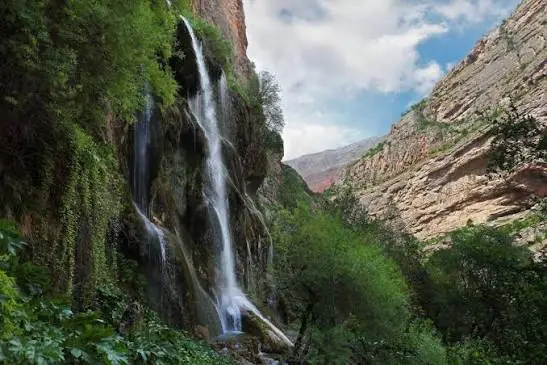
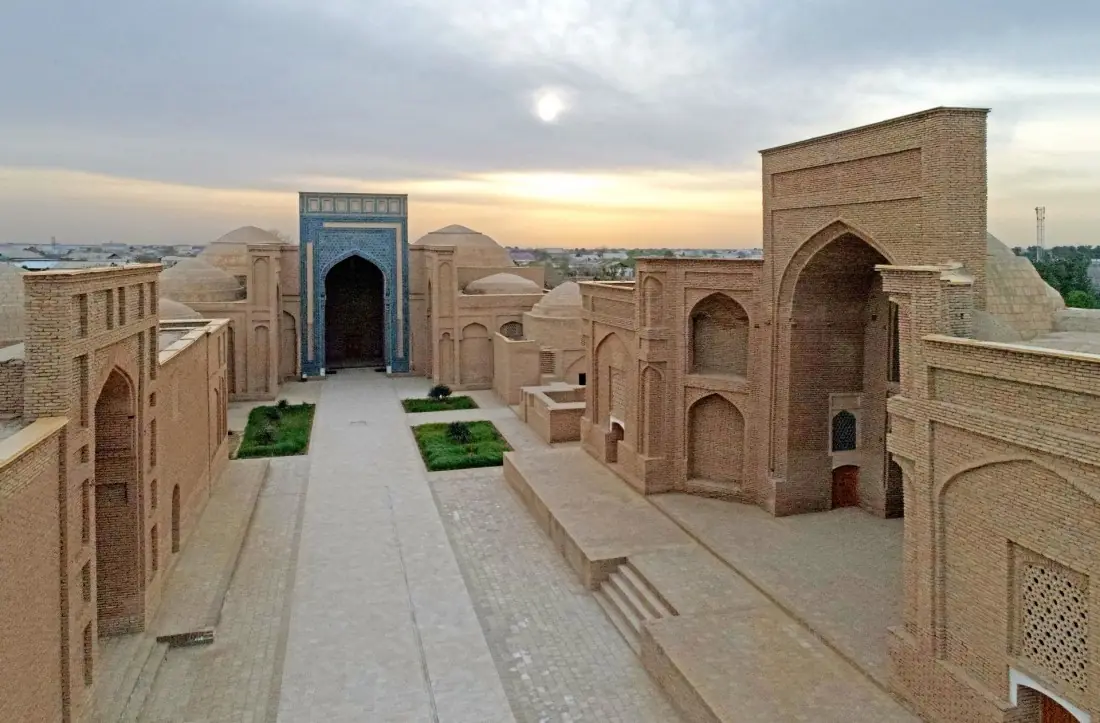
Visit the southernmost tip of Uzbekistan, where the Amu Darya marks the border with Afghanistan and the ancient city of Termez has stood watch over the river crossing for more than two thousand years. Surkhandarya rarely appears on a first-time visitor's itinerary, yet it holds some of the country's oldest layers of history, from Buddhist stupas to fortified Silk Road caravanserais to the mountain villages of Boysun.
The Surkhandarya region occupies the far south of Uzbekistan, wedged between the Hissar mountain range and the Amu Darya, with its administrative center in the city of Termez. Few places in Central Asia can claim a history quite this layered — the region once sat at the heart of ancient Bactria, later served as a major center of Buddhist learning, and afterward became one of the more important cities of the early Islamic world.
A trip to Surkhandarya feels less like following a well-worn tourist trail and more like tracing the region's own long memory: weathered Buddhist ruins outside Termez, the mausoleum of a revered scholar of Islamic tradition, and the terraced mountain villages of Boysun where older ways of life persist largely unchanged. Because so few travelers make it this far south, the region still moves at its own unhurried pace.
Basic Information
Travel Information
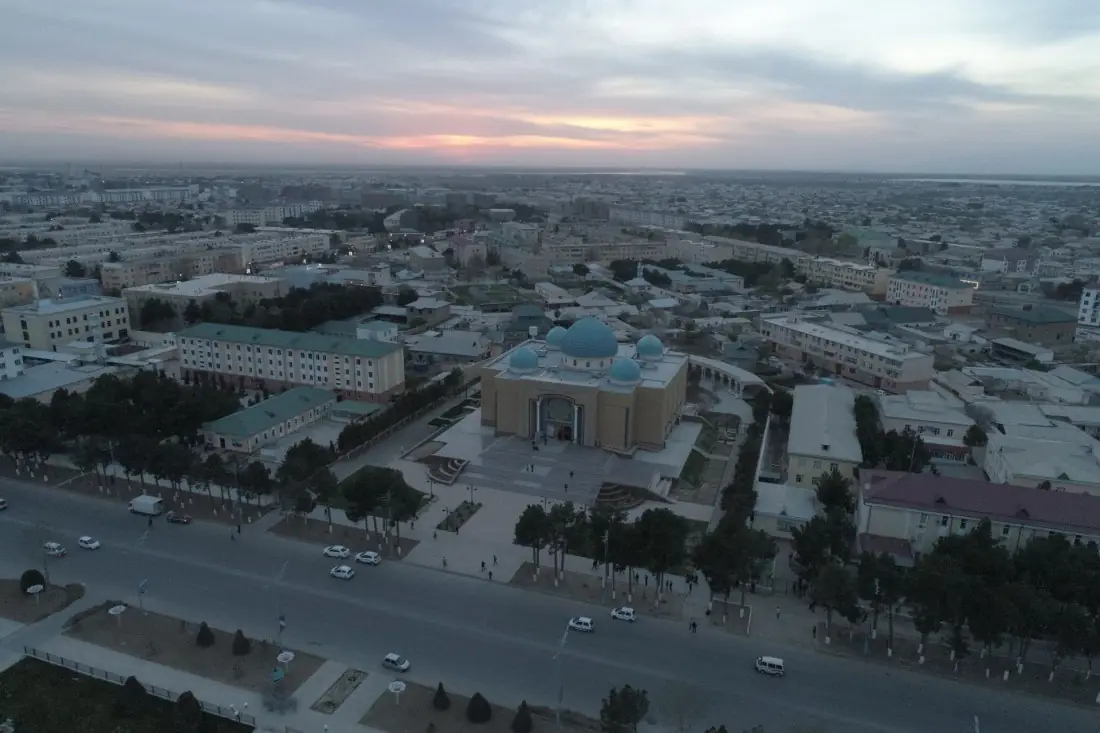
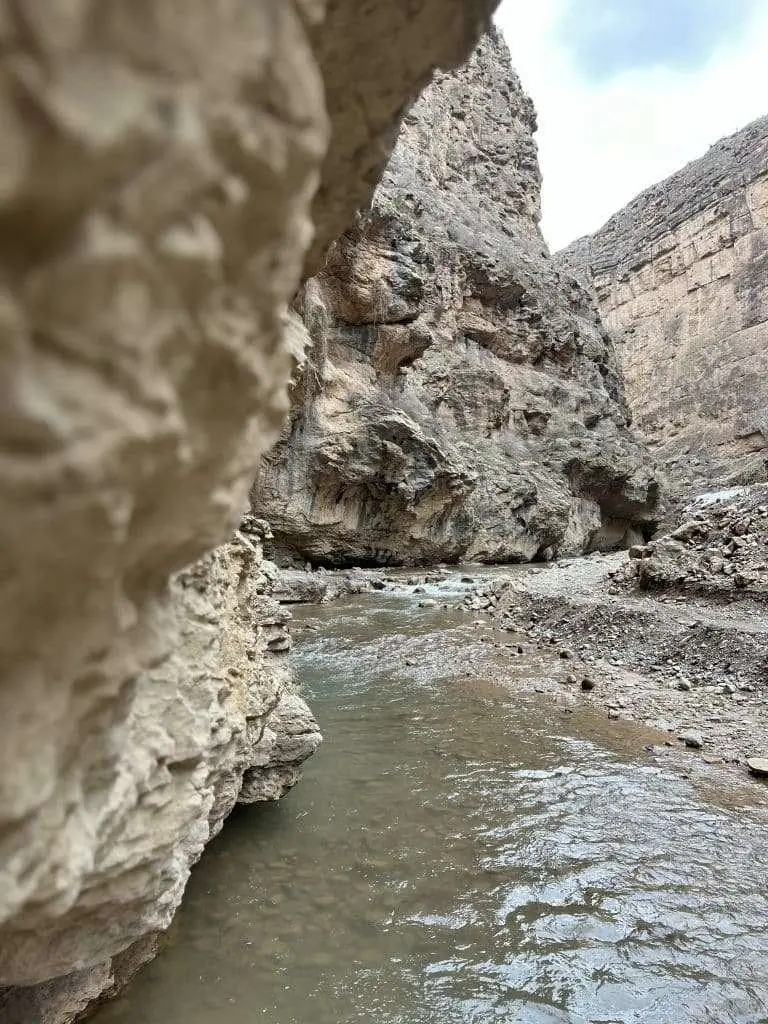
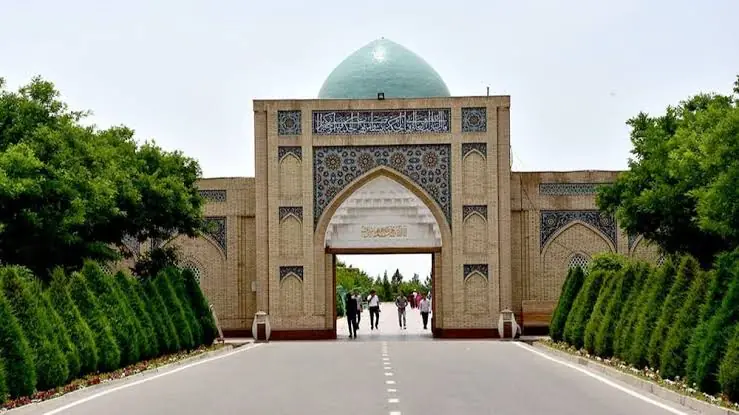
Why Visit Surkhandarya?
Surkhandarya lets you trace a much older thread of Central Asian history than the Timurid-era monuments most travelers come to Uzbekistan expecting. Around Termez alone, ruined stupas, monastery mounds, and fortress remains sit within a short drive of one another, layering Bactrian, Buddhist, and early Islamic history on a single stretch of riverbank.
Because so few foreign visitors make it this far south, daily life here feels unusually unfiltered — from the mountain villages of Boysun, known for traditions recognized internationally as intangible cultural heritage, to Termez's own quiet riverside streets. It's a natural extension for travelers who have already seen Samarkand and Bukhara and want to go further off the standard route.
What Makes Surkhandarya Truly Special
Home to ancient Termez, one of Central Asia's oldest continuously significant cities on the Amu Darya.
Preserves some of Uzbekistan's most significant surviving Buddhist-era archaeological remains.
Home to the mausoleum of Hakim at-Termizi, a revered early scholar of Islamic tradition.
The mountain district of Boysun is recognized internationally for its living folk traditions and crafts.
Remains one of Uzbekistan's least-visited regions, keeping everyday life and hospitality unusually genuine.
Local dishes shaped by mountain herding and riverside farming give the region its own distinct culinary identity.
History of Surkhandarya

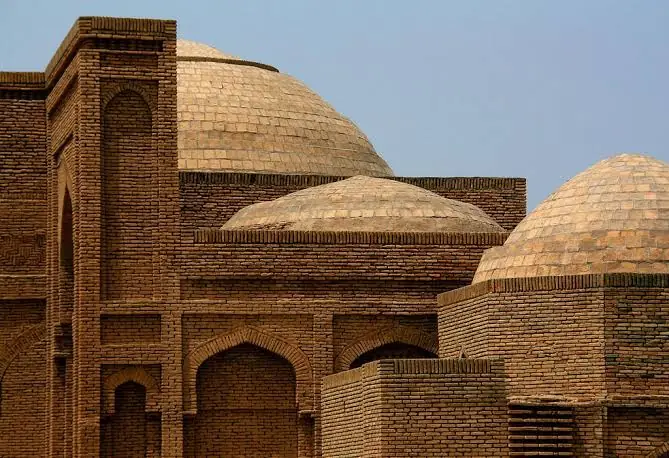
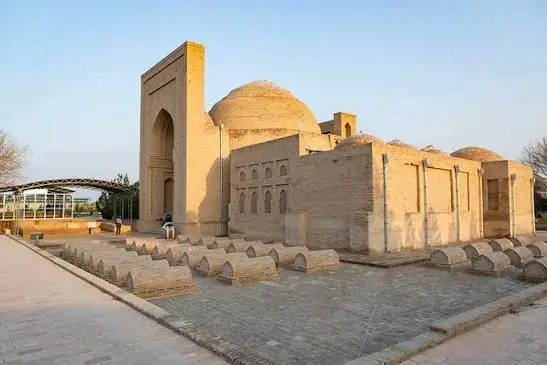
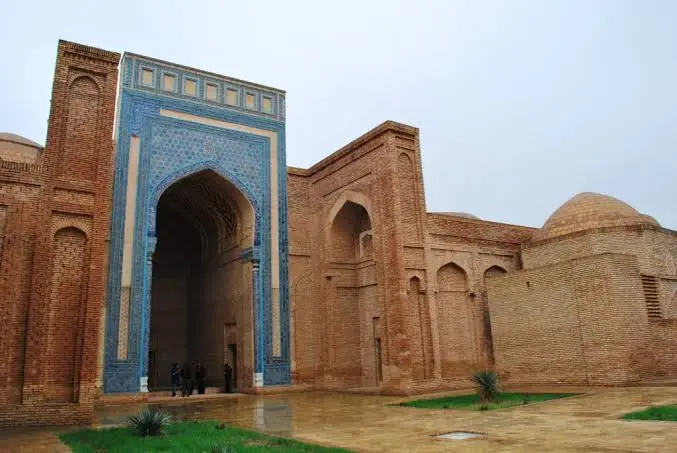
Human settlement along the Surkhan and Amu Darya valleys stretches back millennia, and by antiquity this land formed part of Bactria, one of the wealthier and more contested regions of the ancient world. Termez itself grew into a major river-crossing city, controlling trade and travel between Central Asia and the lands to the south, a role that repeatedly made it a target for conquest as well as a center of exchange.
Under the Kushan Empire, Termez became one of the more important centers of Buddhist learning in the region, with monasteries and stupas established along the river terraces — remains of which still survive on the city's outskirts. In later centuries the city turned toward Islamic scholarship, producing figures such as Hakim at-Termizi, whose tomb remains a place of visitation to this day.
Termez continued to serve as a strategic river crossing into the modern era, most visibly with the construction of the Friendship Bridge across the Amu Darya in the twentieth century. Today, Surkhandarya combines this long historical role with a mountainous interior around Boysun, where older agricultural and craft traditions have persisted with unusual continuity.
Geographical Location of Surkhandarya
The Surkhandarya region occupies the southernmost part of Uzbekistan, bounded by the Hissar mountain range in the north and the Amu Darya River along its southern edge. The terrain shifts from the fertile Surkhan valley in the center of the region to rugged mountain districts such as Boysun and Sherabad, and down to the flat river plain around Termez.
The region borders Qashqadaryo to the north, Tajikistan to the east, and Afghanistan across the Amu Darya to the south. Termez International Airport connects the region to Tashkent and other major cities, while road links run north toward Qashqadaryo and Samarkand, making Surkhandarya a natural — if less-traveled — extension of a longer Uzbekistan itinerary.
Traditional Cuisine of Surkhandarya
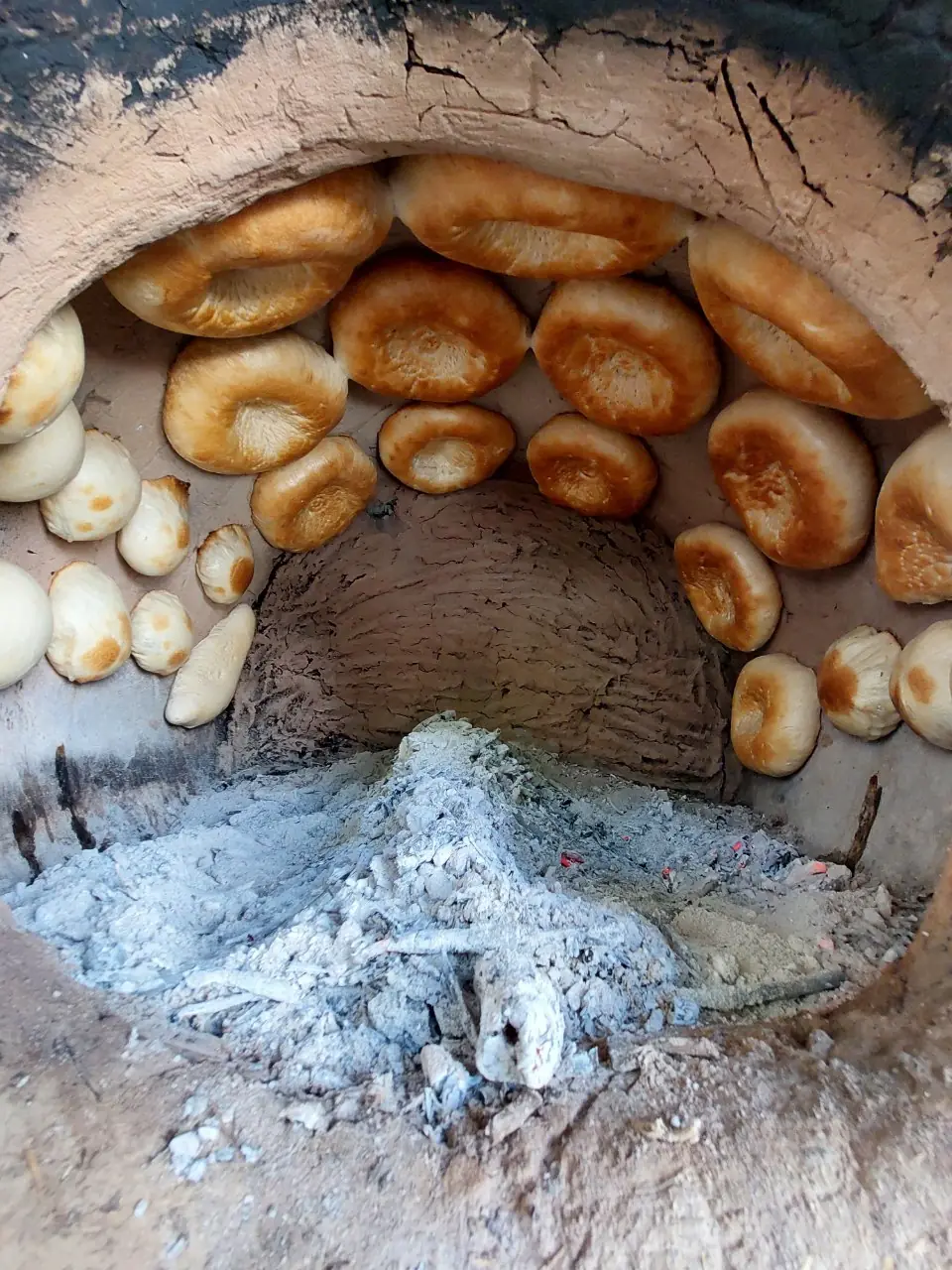
Surkhandarya's cuisine reflects its mix of mountain herding and riverside farming traditions. Visitors can try Termez-style dishes built around freshwater fish from the Amu Darya, hearty mountain dimlama and shurpa from the Boysun highlands, tandoor-baked breads, and fruit from the region's warm, dry valleys. Home cooking here still leans heavily on open-flame and tandoor preparation, giving many dishes a distinct smoky depth.





Best Time to Visit
The best time to visit Surkhandarya is during spring (March–May) and the cooler stretch of autumn (October–November), when temperatures are far more manageable for exploring Termez's open archaeological sites and the mountain trails around Boysun. Summers here rank among the hottest anywhere in Uzbekistan, making midday sightseeing genuinely difficult.
Termez International Airport offers direct access from Tashkent, and road connections run north toward Qashqadaryo and Samarkand, making it straightforward to add Surkhandarya as a further extension to a broader southern Uzbekistan itinerary.
Surkhandarya Awaits You
Trace the outline of ancient Bactria among the ruins outside Termez, stand at the mausoleum of one of Islamic scholarship's early figures, and climb into the mountain villages of Boysun where old traditions are still lived rather than displayed. Surkhandarya offers a side of Uzbekistan defined by depth of history rather than crowds.
Ready to discover Surkhandarya? Let Lapis Lazuli Tours craft an unforgettable itinerary for you. Contact our specialists today and start planning your perfect journey.
📞 Phone: +998 97 397 37 73
📧 Email: lapislazulitours@gmail.com
A River City That Remembers Bactria, Buddha, and the Silk Road at Once
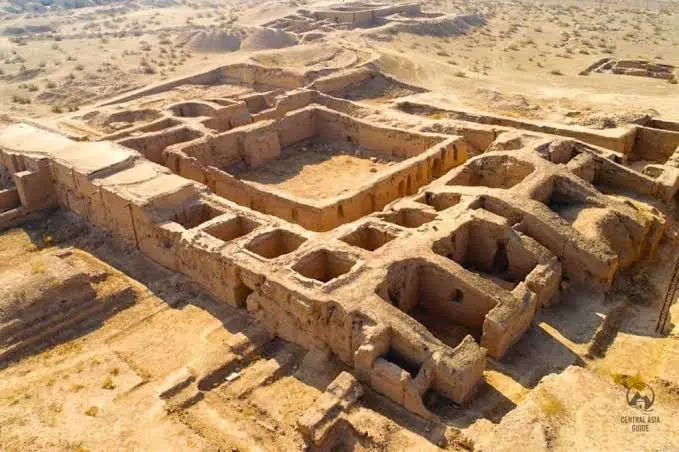
Scattered across the plains and low hills on the outskirts of modern Termez lies one of the densest concentrations of ancient ruins anywhere in Uzbekistan — the eroded remains of fortresses, monasteries, and city walls that once made this stretch of the Amu Darya one of the most contested crossings in Central Asia. Long before Termez became a familiar name on any map, this land sat at the meeting point of Bactrian kingdoms, Kushan emperors, and generations of Buddhist monks.
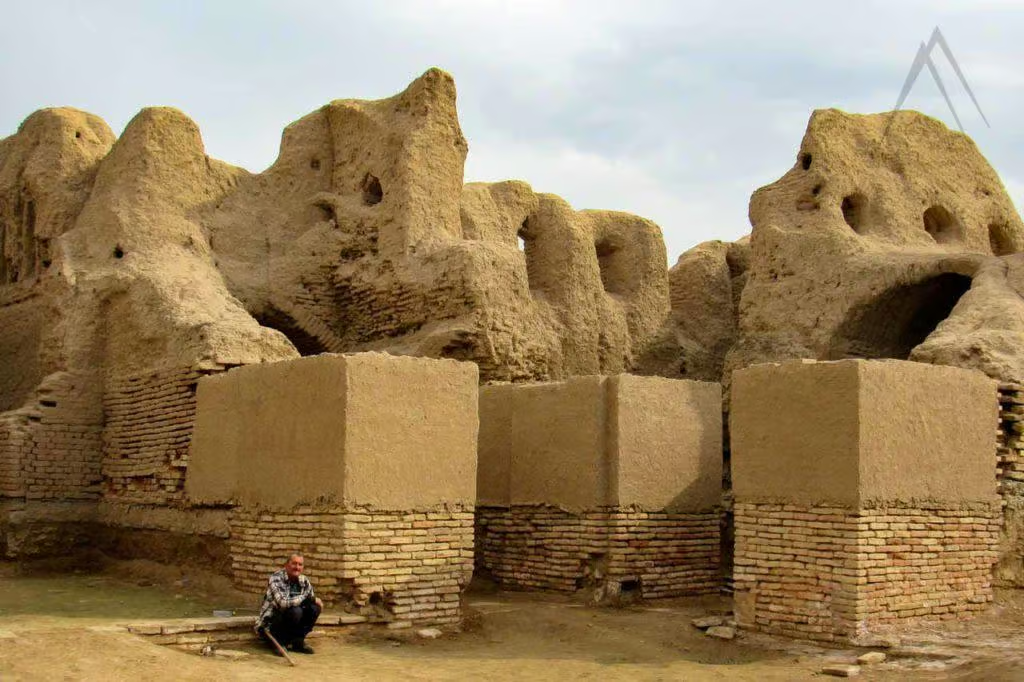
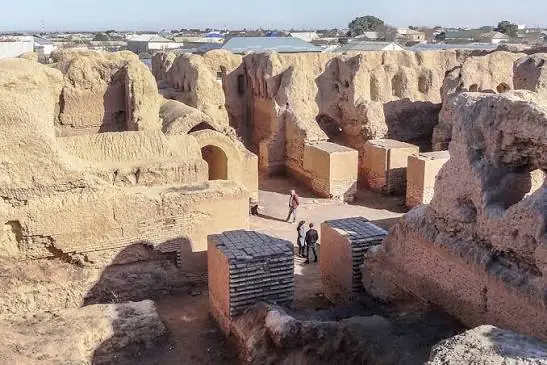
Unlike Shahrisabz or Samarkand, where a handful of standout monuments anchor the visitor experience, the archaeological landscape around Termez is best understood as a scattered constellation of sites, each representing a different chapter of the city's long life: a riverside fortress from the Hellenistic period, monastery mounds where Buddhist monks once lived and taught, and a solitary stupa tower rising from open fields.
Taken together, these ruins tell a story that few other places in the country can match — of a city that shifted allegiance and identity again and again, absorbing Greek, Bactrian, Kushan, Buddhist, and Islamic influence in turn, each layer leaving behind traces still legible in the ground today.
A City Refounded Again and Again
The earliest fortified settlement on this stretch of the Amu Darya is generally traced to the Hellenistic period, when Greek-influenced rulers of Bactria established garrison towns to control the river crossing and the routes branching south toward the Hindu Kush. Excavated fortress remains from this era show a level of planning — grid streets, defensive walls, riverside quays — that points to a settlement built with real strategic intent, not a casual outpost.
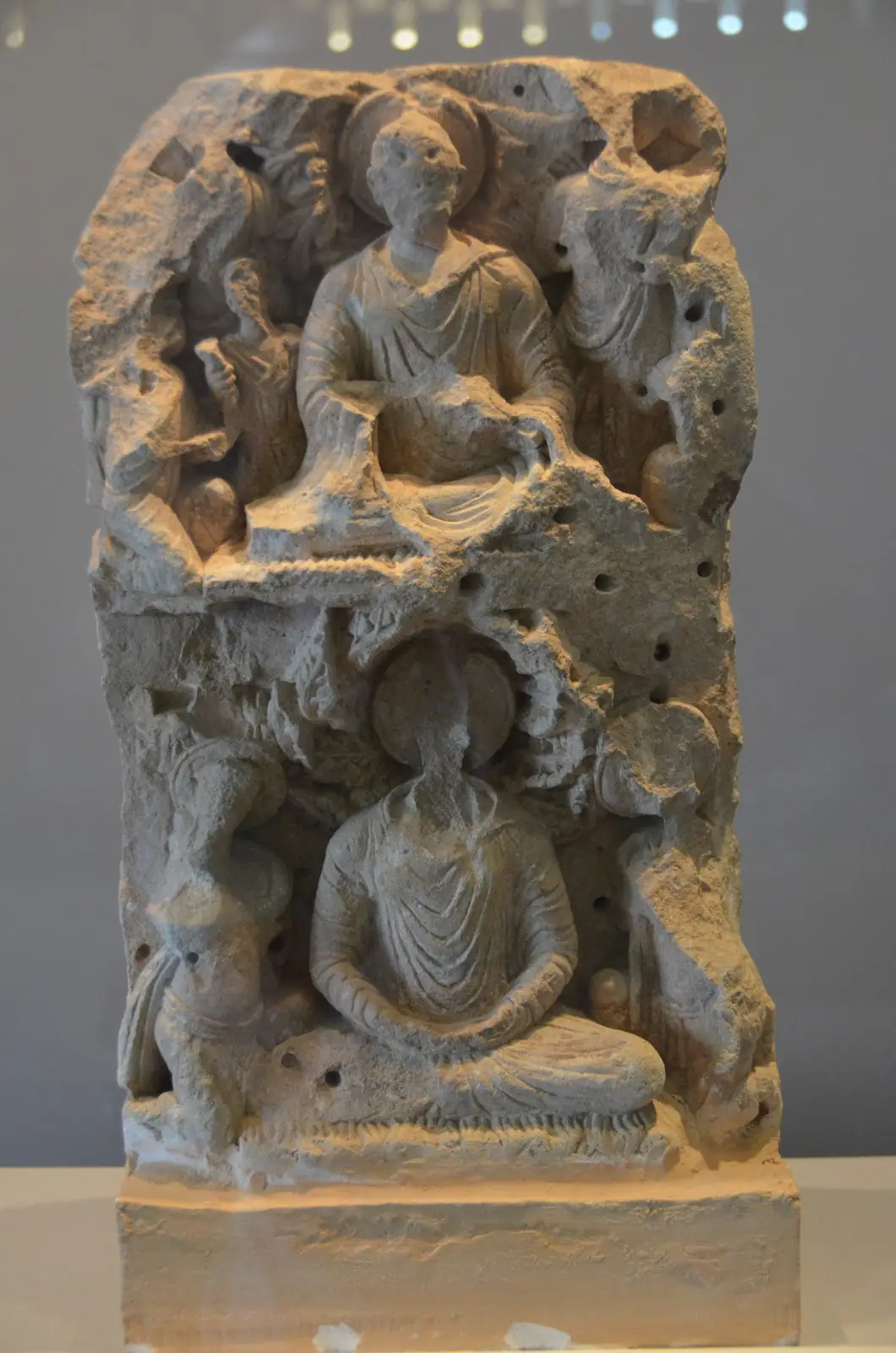
Termez reached a particular high point under the Kushan Empire in the early centuries CE, when the city grew into one of the more significant centers of Buddhist learning anywhere along the northern edge of South Asia's cultural sphere. Monasteries were established on the terraces above the river, monks carved and painted cave shrines into the hillsides, and pilgrims are believed to have passed through on routes connecting Buddhist centers across Central and South Asia.
The city's fortunes rose and fell repeatedly in the centuries that followed, shaped by Sasanian, Hephthalite, and eventually Arab conquest, each wave bringing new construction and, often, the abandonment of what came before. Islamic-era Termez developed into a respected center of scholarship in its own right, a legacy carried forward by the birth of scholars whose reputations spread far beyond the city itself.
Old Termez was largely destroyed in the thirteenth century during the Mongol conquest, and the city was eventually rebuilt at a slight distance from its original site — a shift that, in an unusual way, helped preserve the older ruins rather than having later construction bury them entirely. Serious archaeological investigation of the area began in the twentieth century and continues today, gradually mapping a settlement history that stretches back more than two thousand years.
Reading the Ruins: Four Sites, Four Eras
Kampyrtepa
Perched on a bluff above the Amu Darya, Kampyrtepa preserves the remains of a fortified Hellenistic-era river crossing point, with traces of barracks, a shrine, and a grid of streets uncovered by decades of excavation. Some researchers have linked the site to Alexandria on the Oxus, one of the river settlements associated with Alexander's campaigns in the region, though the identification remains a subject of ongoing academic discussion rather than settled fact.
Fayoz-tepa
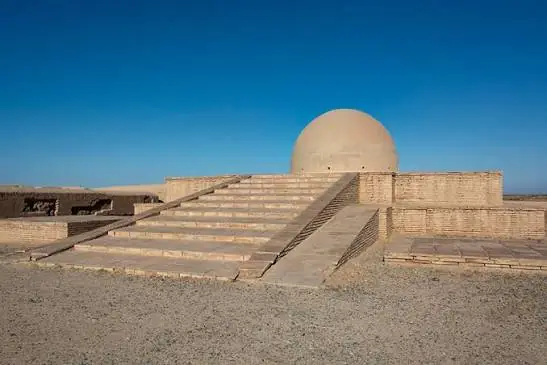
Fayoz-tepa preserves the layout of a Buddhist monastery complex from the Kushan period, including a courtyard, monks' cells, and the base of a stupa that once anchored the site's religious life. Finds recovered here, including sculpture and inscribed fragments, rank among the more important pieces of physical evidence for Buddhism's presence in this part of Central Asia.
Kara-tepa
Built into and around a low sandstone hill closer to the modern city, Kara-tepa combines above-ground monastery buildings with cave shrines cut directly into the rock — a hybrid approach to religious architecture that made use of the natural terrain rather than working against it. Faded traces of painted decoration and carved niches still hint at how the cave interiors were once finished.
Zurmala Tower
Rising alone from open fields outside the city, the eroded mudbrick mass of the Zurmala stupa is thought to be one of the oldest and largest surviving Buddhist monuments in Uzbekistan. Centuries of weathering have worn its original form into a rounded, almost sculptural mound, but its scale alone still conveys the ambition behind the structure that once stood here.
Why Visit the Termez Archaeological Sites?
Nowhere else in Uzbekistan lets you move so directly between Hellenistic fortresses, Buddhist monasteries, and early Islamic scholarship within a single afternoon — a layered history that predates the Timurid monuments most visitors come to the country expecting.
During your visit, you can:
Walk the excavated streets of a Hellenistic-era river fortress at Kampyrtepa.
See the remains of a working Buddhist monastery complex at Fayoz-tepa.
Step into cave shrines carved directly into the hillside at Kara-tepa.
Stand before the weathered mass of the Zurmala stupa, one of the country's oldest Buddhist monuments.
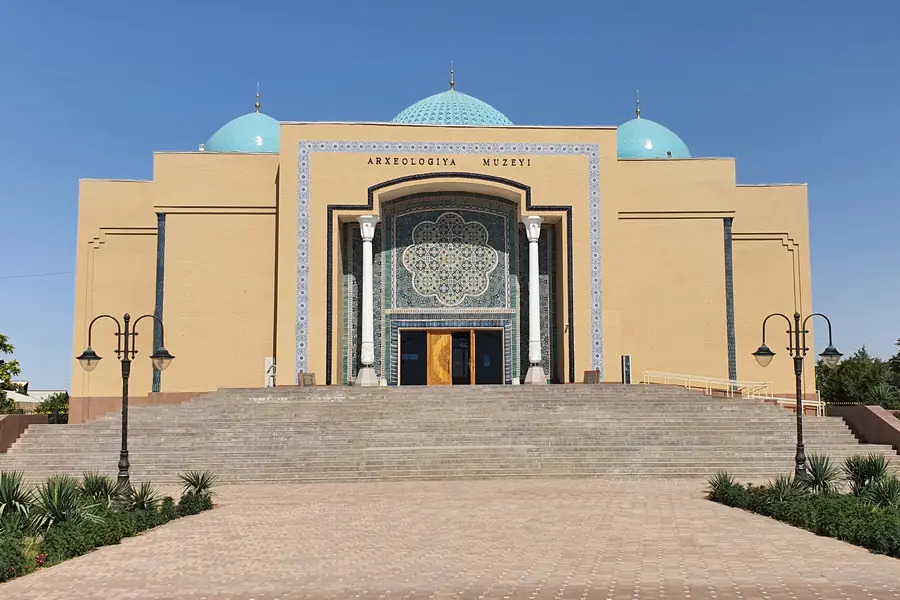
Visit the Termez Archaeological Museum to see finds recovered from the surrounding sites.
Trace more than two thousand years of history across a single stretch of riverbank.
Best Time to Visit
Termez ranks among the hottest cities in Uzbekistan, and most of these sites sit fully exposed on open ground with little shade, making careful timing more important here than almost anywhere else on a typical Uzbekistan itinerary.
The most recommended seasons are:
Spring (March–April): The most comfortable window before summer heat sets in fully.
Late autumn (October–November): Cooling temperatures make walking between sites far more manageable.
If travel during summer is unavoidable, plan to see the outdoor sites early in the morning and save museum visits or indoor stops for the hottest part of the day.
Interesting Facts
Kampyrtepa has been proposed by some researchers as a possible site linked to Alexandria on the Oxus.
Fayoz-tepa and Kara-tepa together represent two of the most significant Buddhist monastery complexes surviving in Central Asia.
The Zurmala stupa is considered one of the oldest and largest surviving Buddhist monuments in Uzbekistan.
Old Termez was largely destroyed during the thirteenth-century Mongol conquest and later rebuilt nearby.
Serious archaeological excavation of the area began in the twentieth century and remains ongoing.
Finds from the surrounding sites are displayed at the Termez Archaeological Museum in the modern city.
Travel Tips
Hire a local guide or driver, as the sites are spread across a wide area outside the modern city center.
Bring water and sun protection, since most sites sit fully exposed with little natural shade.
Visit the Termez Archaeological Museum first, as it helps put the individual sites into context.
Wear sturdy footwear, as several sites involve walking over uneven, unpaved ground.
Ask locally about current access, as some excavation areas rotate between active research and public viewing.
The Timeless Legacy of a Crossroads City
Few cities anywhere can claim to have hosted Hellenistic garrisons, Kushan-era Buddhist monks, and early Islamic scholars on the same stretch of riverbank, and fewer still have left behind physical traces of all three still visible on the ground. The scattered ruins around Termez preserve exactly that kind of layered memory, each site a fragment of a much longer story about a city that repeatedly reinvented itself at the edge of empires.
Walking between a weathered stupa, a cave monastery, and a Hellenistic fortress in a single visit is a rare experience anywhere in the world, and it remains one of the clearest reasons Termez deserves more attention than it typically receives on a standard Uzbekistan itinerary.
📞 Phone: +998 97 397 37 73
📧 Email: lapislazulitours@gmail.com
Resting Place of the Scholar Who Gave Termez Its Name
On a low rise above the Amu Darya, not far from the old riverside fortifications of Termez, stands the tomb of a man whose reputation once reached from Central Asia to the wider Islamic world — Abu Abdullah Muhammad ibn Ali al-Hakim at-Termizi, a ninth-century scholar of hadith and one of the earliest systematic thinkers on Islamic mysticism. His name, drawn directly from the city of his birth, is still attached to Termez in scholarly circles today, a rare case of a place lending its name to a person and then having that person's memory anchor the place in turn.
Unlike the grand imperial monuments built centuries later under Amir Temur and his successors, this mausoleum grew slowly around a single grave, shaped less by royal ambition than by the steady stream of visitors who came, and continue to come, to pay their respects to a scholar remembered as a founding voice in the study of Sufi thought.
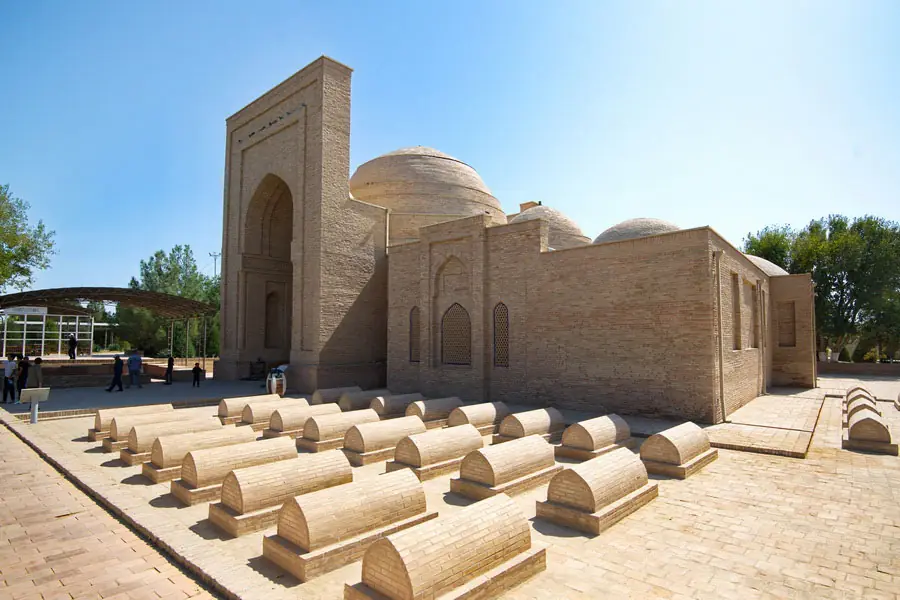
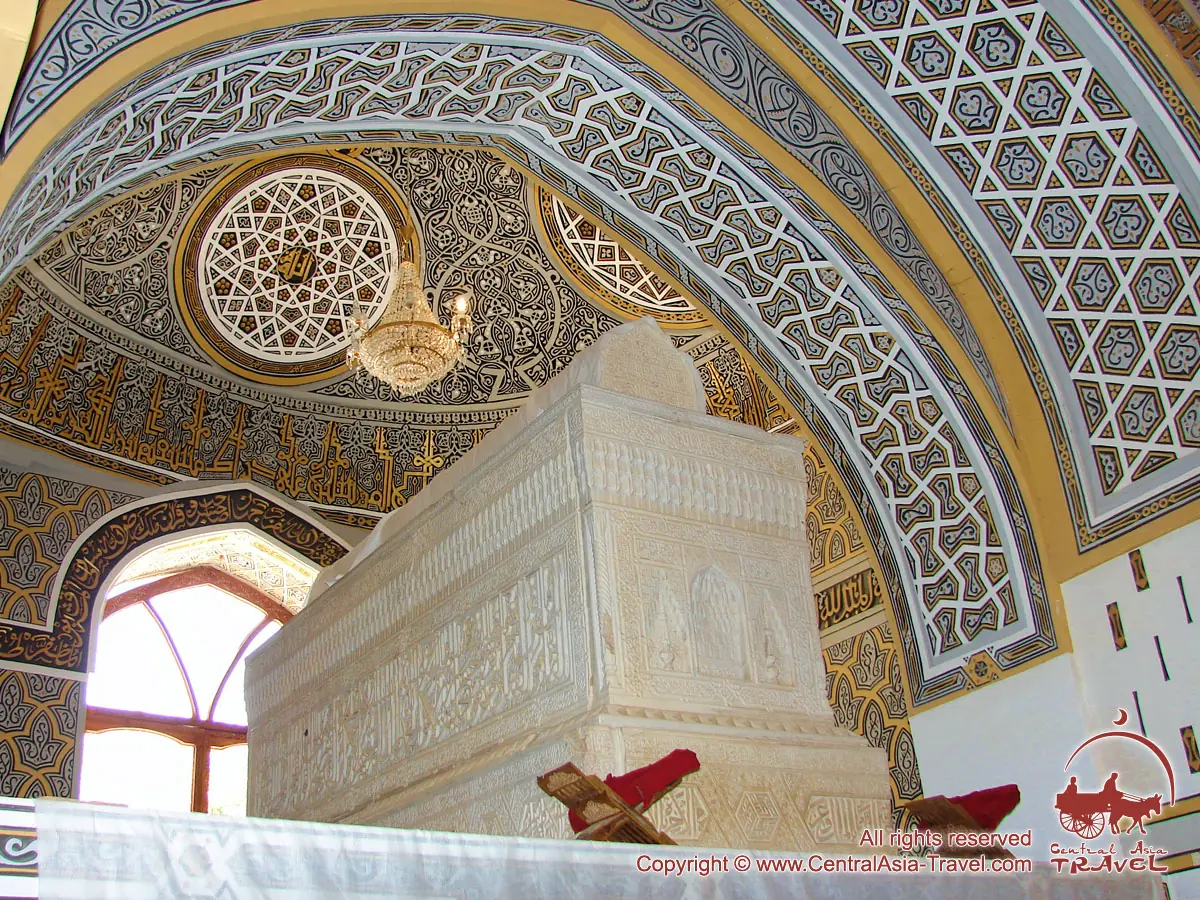
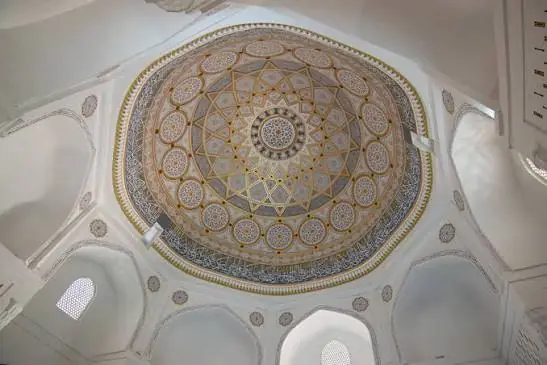
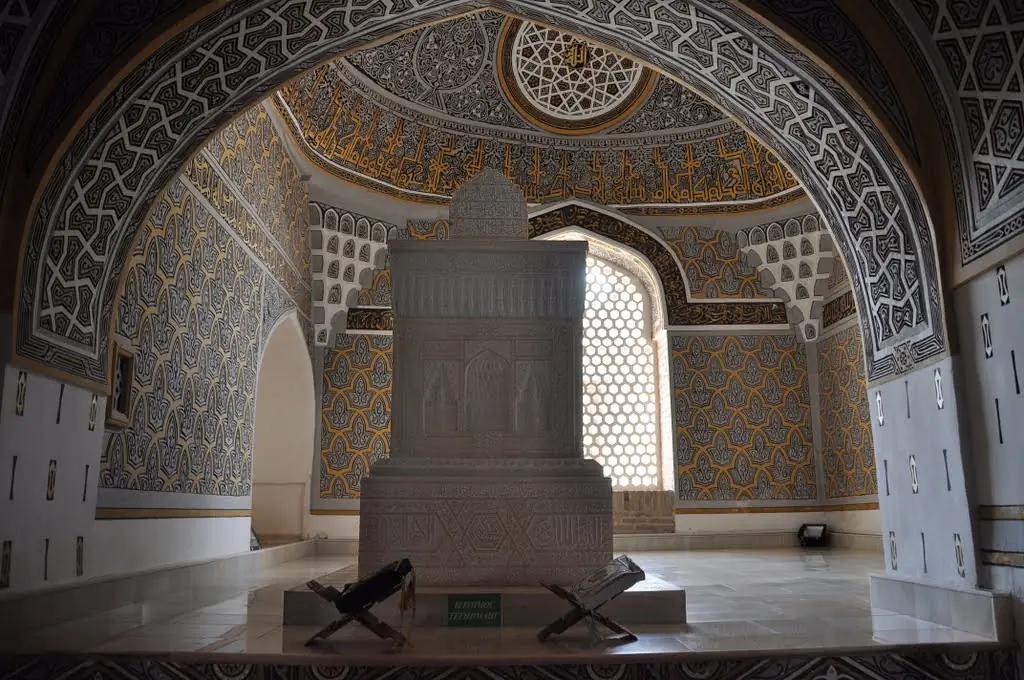
Today the complex combines the original tomb with later additions built across several centuries, forming a modest but historically dense site that remains one of the more actively visited places of pilgrimage anywhere in southern Uzbekistan.
A Scholar's Grave That Became a Living Shrine
Al-Hakim at-Termizi lived and taught in the ninth century, a period when Termez was already established as a respected center of Islamic scholarship along the Amu Darya. He is remembered above all for his writings on hadith and on the inner, spiritual dimension of Islamic practice, work that later scholars regarded as an early foundation for what would become organized Sufi thought across the wider Muslim world.
Following his death, his grave became a site of local veneration, and over the following centuries a modest funerary structure was raised above it. The tomb was expanded and rebuilt in stages under successive local dynasties, each period adding its own layer of decoration and construction rather than replacing what had come before outright.
Karakhanid-era builders are generally credited with an important phase of construction at the site, adding carved stonework and structural elements that remain among the complex's oldest surviving features. Later rulers, including patrons from the Timurid period, contributed further additions, reflecting the site's continued status as a place worth honoring across changing dynasties.
Like much of Termez, the complex suffered periods of neglect and damage, including disruption during the Mongol conquest of the thirteenth century, yet the tomb itself was never abandoned as a place of visitation. Twentieth-century restoration work stabilized and repaired much of what stands today, allowing the site to continue functioning as both a historical monument and an active place of pilgrimage.
Inside the Complex
The Tomb Chamber and Cenotaph
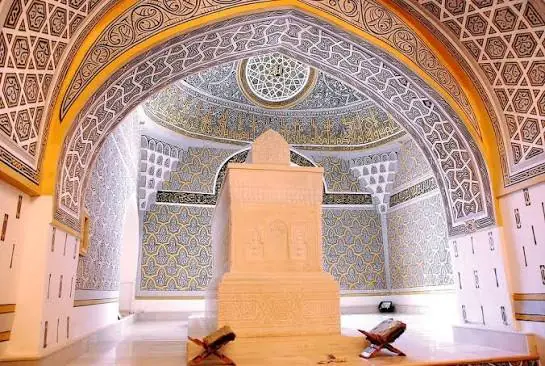
At the heart of the complex sits the burial chamber itself, centered on a carved stone cenotaph marking the scholar's grave. The stonework here is considered some of the finest surviving decorative carving from the Karakhanid period in the region, with intricate geometric and vegetal patterns cut directly into the stone rather than applied as surface tilework.
The Mosque and Prayer Hall
Adjoining the tomb, a mosque structure allows visitors and pilgrims to combine prayer with their visit to the grave, following a pattern common at Central Asian shrine complexes where devotion to a revered figure and communal worship are housed side by side. The mosque has been rebuilt and restored across several periods, blending older structural elements with more recent repair work.
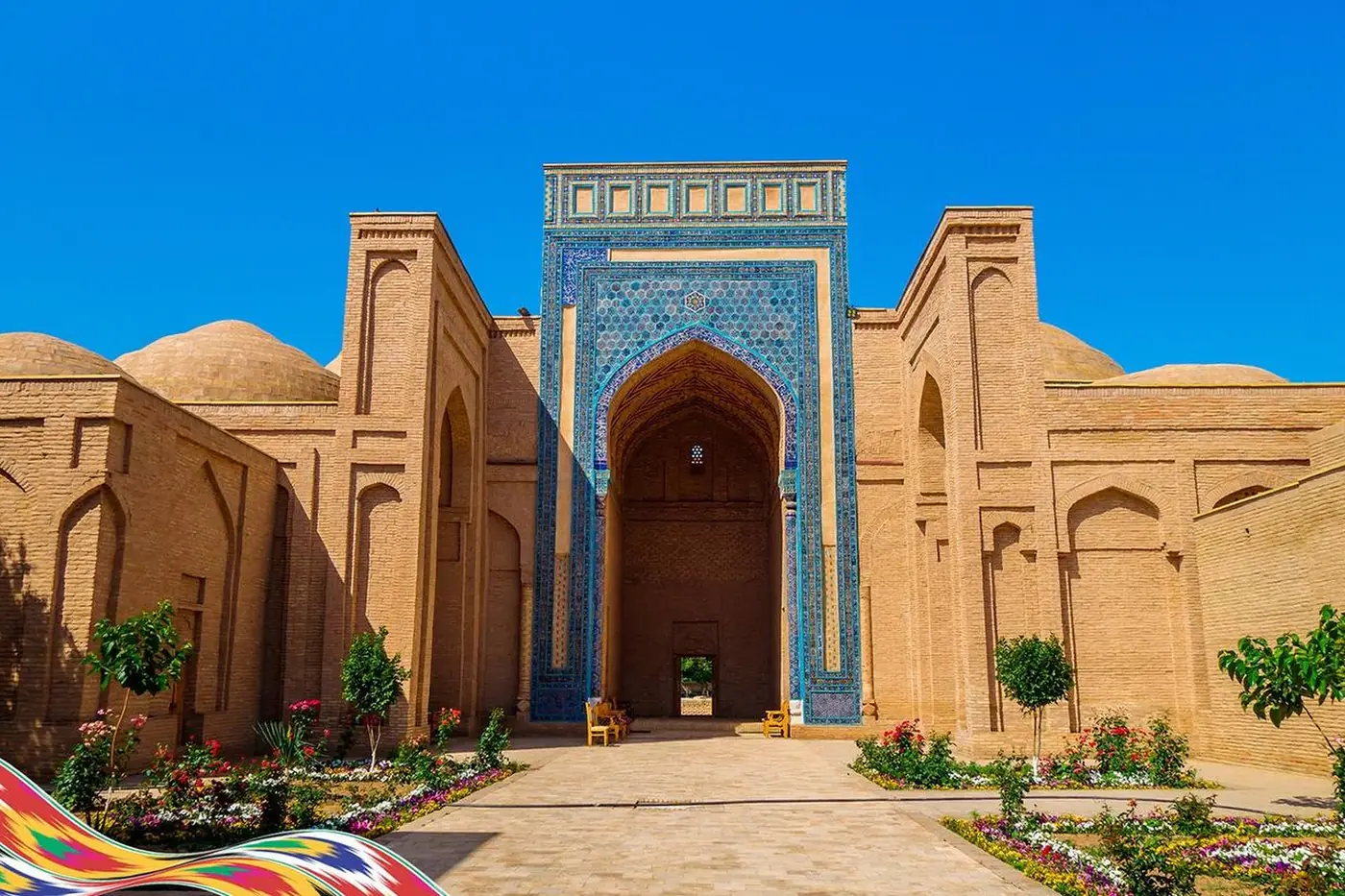
The Entrance Portal and Courtyard
A restored entrance portal leads visitors into a modest courtyard connecting the tomb, the mosque, and later auxiliary buildings added to accommodate the steady flow of pilgrims. Unlike the towering ceremonial gateways of Shahrisabz, the scale here stays deliberately human, in keeping with the site's identity as a scholar's resting place rather than a ruler's monument.
The Adjoining Museum
A small museum near the complex presents information on al-Hakim at-Termizi's life and writings alongside artifacts connected to the site's long history, helping visitors place the tomb within the broader story of Termez as a center of both Buddhist and later Islamic learning.
Why Visit the Hakim at-Termizi Mausoleum?
Few sites in Uzbekistan let you stand this close to the roots of Islamic scholarly and mystical tradition in the region — a tomb shaped not by imperial ambition but by centuries of ordinary devotion to a single respected teacher.
During your visit, you can:
See some of the finest surviving Karakhanid-era carved stonework in the region.
Stand before the cenotaph of one of early Islamic scholarship's more influential figures.
Visit an active mosque still used for prayer alongside the historic tomb.
Learn about al-Hakim at-Termizi's life and writings at the adjoining museum.
Observe local pilgrimage traditions still practiced at the site today.
Combine your visit with the nearby Termez archaeological sites for a fuller picture of the city's layered history.
Best Time to Visit
Termez ranks among Uzbekistan's hottest cities, and while the mausoleum's covered halls offer some relief from direct sun, the surrounding courtyard is still more comfortable outside the peak of summer heat.
The most recommended seasons are:
Spring (March–April): Comfortable temperatures for exploring both the courtyard and interior halls.
Late autumn (October–November): Cooler air makes a longer, unhurried visit far more pleasant.
Visiting earlier in the day tends to be quieter and cooler, giving more space to appreciate the carved stonework without the midday heat pressing in.
Interesting Facts
Al-Hakim at-Termizi was a ninth-century scholar of hadith and an early systematic writer on Islamic mysticism.
His name is directly tied to the city of Termez, where he was born and later buried.
The carved stone cenotaph is regarded as one of the finest surviving examples of Karakhanid-era stonework in the region.
The complex was expanded in stages across several centuries and dynasties rather than built all at once.
A small on-site museum displays material related to al-Hakim at-Termizi's life and scholarly work.
The site remains an active place of pilgrimage rather than a purely archaeological ruin.
Travel Tips
Dress modestly, as the complex includes an active mosque and a site still visited for prayer and pilgrimage.
Look closely at the carved stone panels around the cenotaph, where the finest detail is concentrated.
Stop by the small on-site museum before or after visiting the tomb for helpful background context.
Be mindful of local pilgrims, who often visit the site for personal or religious reasons rather than sightseeing.
Combine your visit with the nearby Termez Archaeological Museum and surrounding ancient sites.
The Timeless Legacy of a Teacher's Grave
Long after empires that built grander monuments elsewhere have faded, the tomb of a ninth-century scholar continues to draw visitors to this quiet spot above the Amu Darya. Al-Hakim at-Termizi's writings shaped how later generations thought about the inner dimension of faith, and his grave remains a tangible link to that intellectual legacy.
Unlike palaces built to project power, this mausoleum grew from genuine, sustained devotion — a reminder that some of the most enduring monuments are raised not by rulers, but by generations of ordinary people choosing to remember a single teacher.
📞 Phone: +998 97 397 37 73
📧 Email: lapislazulitours@gmail.com
A Fluted Tower Standing Alone on the Surkhandarya Plain
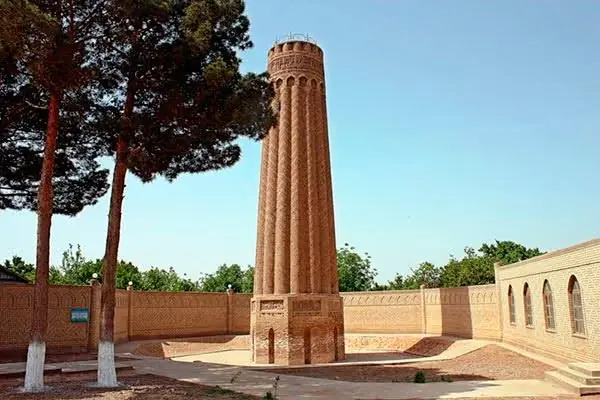
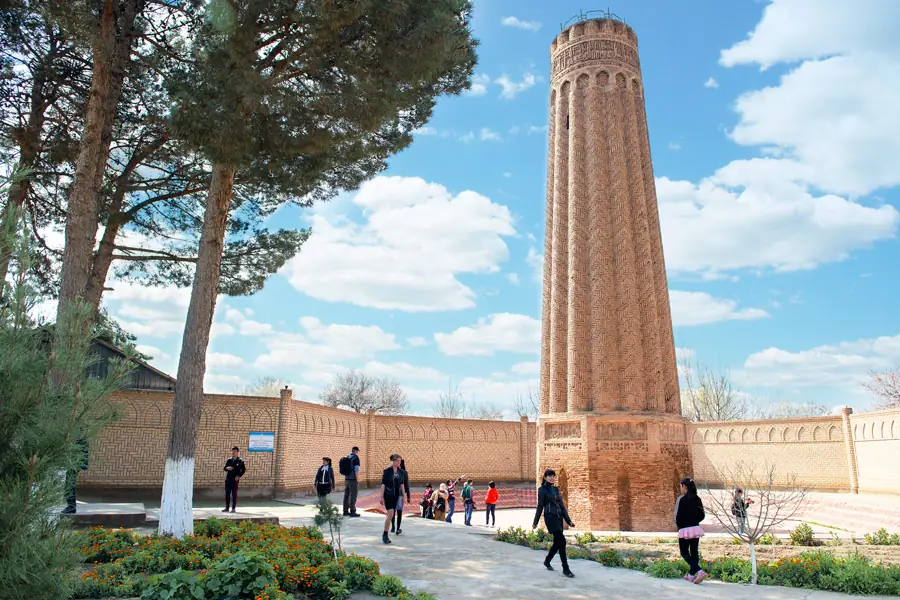
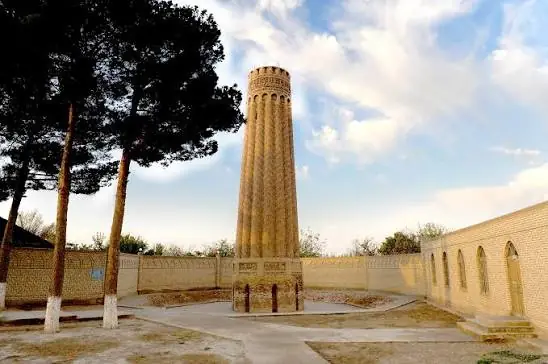
Rising unexpectedly from open farmland in the Jarqurgan district, a single ribbed brick tower stands with no mosque, no courtyard, and no surrounding complex left beside it — just a minaret, alone in a landscape that has otherwise long since returned to agriculture. Built in the early twelfth century, it ranks among the oldest surviving minarets anywhere in Central Asia, and its unusual fluted profile sets it apart from almost every other tower of its kind in the region.
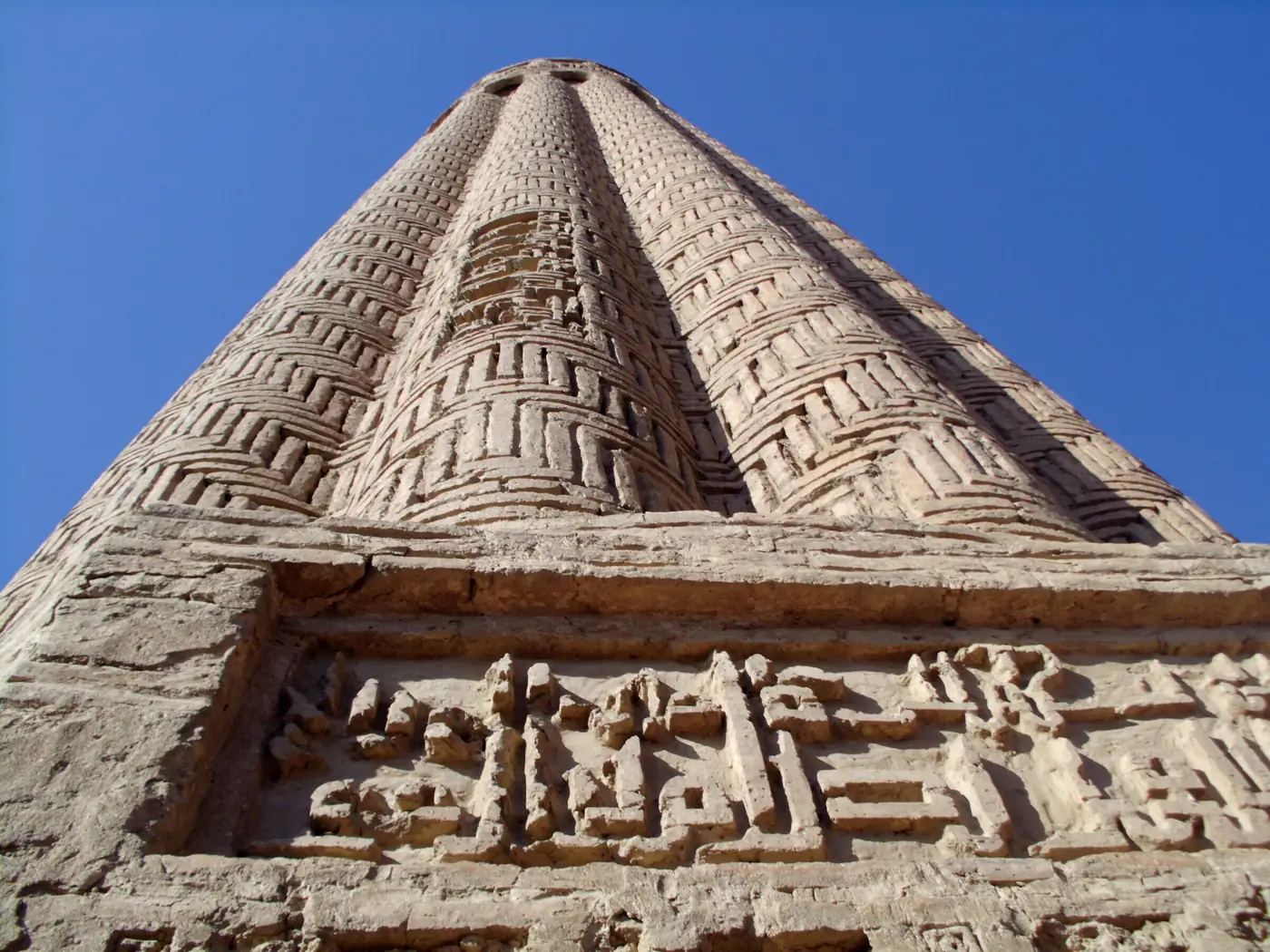
Where most historic minarets in Uzbekistan rise from brick in smooth or banded cylindrical shafts, Jarqurgan's tower is built from a tight ring of semicircular flutes running its full height, giving the structure a rippled, almost column-like appearance closer to certain classical or Persian architectural traditions than to the typical Timurid-era towers travelers usually encounter.
Only around half of the original structure survives today, the upper gallery and lantern lost long ago to earthquakes and time, yet what remains is still enough to make this one of the more quietly remarkable stops in the Surkhandarya region — a monument that rewards those willing to travel a little further off the usual route.
A Twelfth-Century Tower That Outlasted Its Own Town
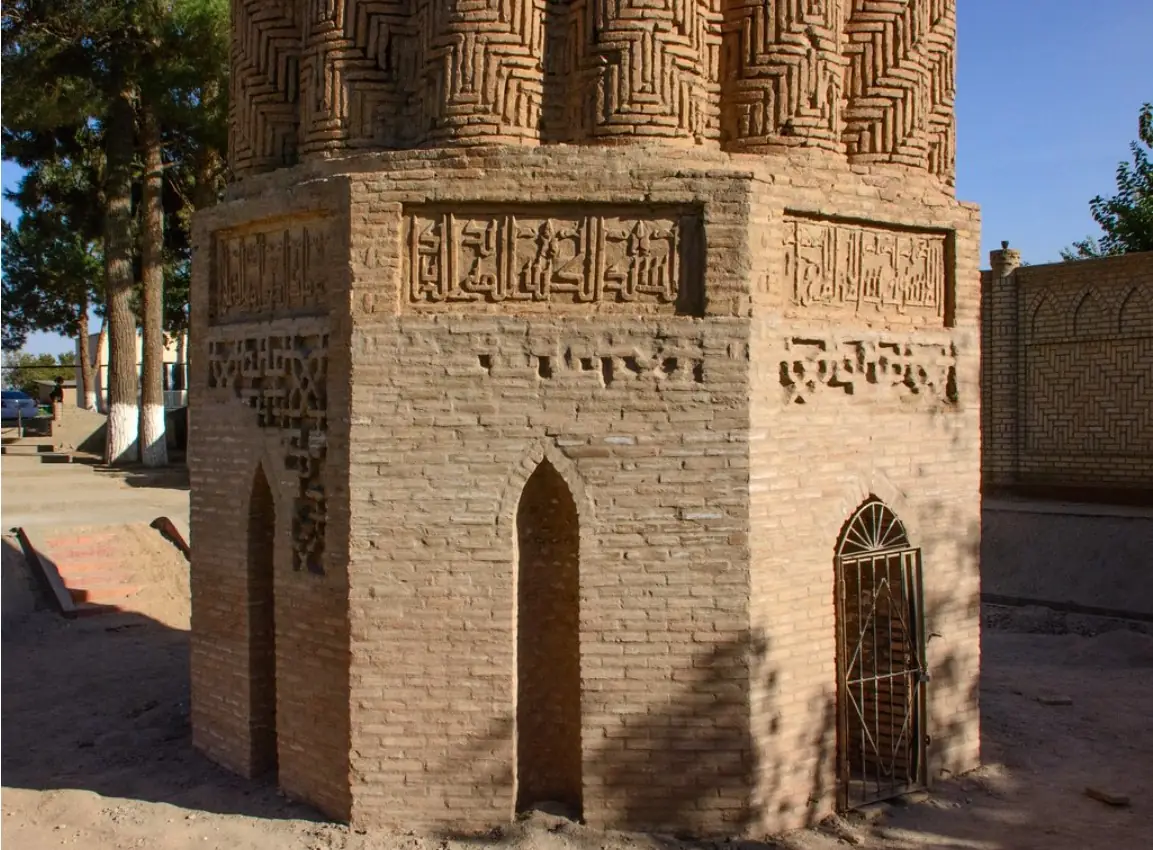
An inscription once carried on the tower is generally read as dating its construction to the early 1100s, placing it firmly within the wider building boom that swept Central Asia's Seljuk-influenced territories during that period. Historical sources associate the minaret's design with an architect from Sarakhs, a city in what is now Turkmenistan, whose name has been linked to the tower's construction in later scholarship on the site.
The minaret would originally have served the mosque of a settlement that has since vanished almost entirely from the landscape, leaving the tower as the last clearly visible marker of a community whose name and layout are now known mainly through archaeological survey rather than surviving buildings.
Earthquakes over the following centuries did significant damage to the upper sections of the tower, and the original gallery and lantern that would once have crowned the minaret have long since been lost. What survives is essentially the lower half of the original structure, still substantial enough to convey the tower's original scale and character.
Twentieth-century researchers documented and stabilized the surviving structure, recognizing it as a rare and important example of early Islamic-era minaret design in the region, distinct enough in its fluted profile to be treated as something of an architectural outlier even among specialists in Central Asian monuments.
Reading the Tower
The Fluted Shaft
The minaret's defining feature is its semicircular fluting, a ring of rounded vertical grooves running the full surviving height of the tower. The effect is closer to a bundled column than to the flat or gently tapering cylindrical towers typical of later Timurid-era minarets, and it remains one of the more distinctive silhouettes among historic towers anywhere in Uzbekistan.
The Brickwork and Inscription
Bands of decorative brickwork and a now-fragmentary inscription once encircled the tower, offering both ornamentation and, for those able to read it, information about the minaret's construction and patronage. Though weathered, enough of this detailing survives to give a sense of the careful attention paid to a structure built for a relatively modest local settlement rather than an imperial capital.
The Lost Gallery and Lantern
Historical descriptions suggest the tower originally rose considerably higher than what survives today, capped by a gallery from which the call to prayer would once have been given, and likely a small lantern structure above it. Earthquake damage removed this upper portion long ago, leaving the truncated but still commanding tower visible today.
A Monument Standing Alone
Perhaps the most striking thing about visiting Jarqurgan today is the absence of everything that would once have surrounded it — no mosque walls, no courtyard, no traces of the settlement it served. The tower stands essentially alone in open countryside, a rare chance to experience a single historic structure without the layered visitor infrastructure found at better-known sites.
Why Visit the Jarqurgan Minaret?
Jarqurgan offers something genuinely different from Uzbekistan's better-known monuments — a single, architecturally unusual tower standing in open countryside, unaccompanied by crowds, ticket booths, or restored courtyards.
During your visit, you can:
See one of the oldest surviving minarets anywhere in Central Asia.
Study a fluted architectural style rarely found among Uzbekistan's other historic towers.
Trace the remaining fragments of decorative brickwork and inscription near the tower's base.
Experience a genuinely off-the-beaten-path monument away from Uzbekistan's more crowded sites.
Picture the vanished settlement the minaret once served, using the tower as the only remaining clue.
Combine your visit with the wider archaeological and historic sites of the Termez area.
Best Time to Visit
Standing fully exposed in open farmland with no shade nearby, the minaret is far more comfortable to visit outside the peak heat of the Surkhandarya summer, which ranks among the most intense anywhere in Uzbekistan.
The most recommended seasons are:
Spring (March–April): Mild temperatures and green surrounding fields make for a pleasant stop.
Late autumn (October–November): Cooler air makes it easier to linger and study the brickwork closely.
Because the site has no facilities of its own, it works best as a brief, well-timed stop rather than a long visit, ideally combined with other destinations nearby.
Interesting Facts
The minaret is generally dated to the early twelfth century, making it one of the oldest surviving in Central Asia.
Its design has been linked in historical sources to an architect from Sarakhs, in present-day Turkmenistan.
The tower's semicircular fluting is highly unusual among historic minarets in Uzbekistan.
Only roughly the lower half of the original structure survives, following earthquake damage over the centuries.
No trace remains above ground of the mosque or settlement the minaret once served.
The site remains one of the lesser-visited historic monuments in the Surkhandarya region.
Travel Tips
Arrange transport in advance, as the site sits in open farmland away from regular public transit.
Bring water and sun protection, since there is no shade or facilities at the site itself.
Look closely at the base of the tower, where the surviving brickwork detail is easiest to see.
Combine your visit with Termez's archaeological sites and the Hakim at-Termizi mausoleum for a fuller day trip.
Ask a local guide for directions in advance, as the minaret can be easy to miss amid the surrounding fields.
The Timeless Legacy of a Tower Standing Alone
There is something quietly powerful about a monument that has outlived not only its own upper half, but the entire settlement it was built to serve. The Jarqurgan Minaret stands today much as it likely appeared centuries after its construction — diminished, weathered, but still unmistakably itself.
In a region full of grander, more heavily visited monuments, this solitary fluted tower offers a different kind of encounter with history — one shaped less by restoration and crowds than by the simple fact of having survived, alone, in a field, for nine centuries.
📞 Phone: +998 97 397 37 73
📧 Email: lapislazulitours@gmail.com
A Mountain District Where Tradition Was Never Interrupted
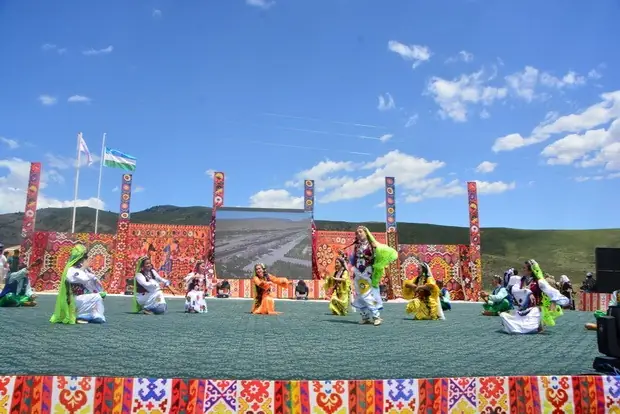
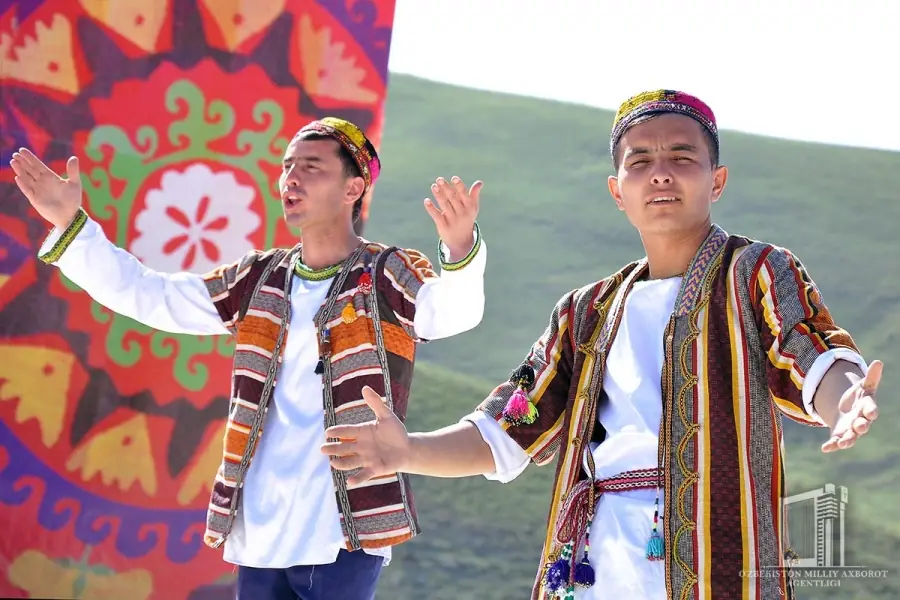
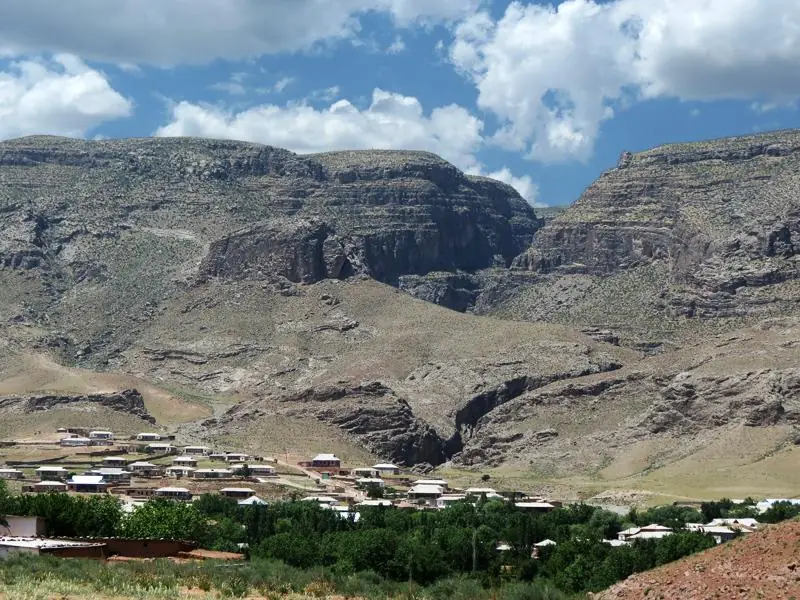
High in the folds of the Hissar mountains, closer in spirit to the pastoral world of Central Asia's past than to any modern itinerary, the district of Boysun holds one of the more unusual honors in Uzbekistan's cultural landscape: recognition by UNESCO not for a building or a monument, but for the living traditions of its people themselves. Music, oral epics, craft skills, festival customs, and everyday ways of life here have been passed down with a continuity rarely found elsewhere in the region.
Isolation, in this case, worked in the culture's favor. Boysun's mountainous terrain kept the district somewhat removed from the trade routes, imperial capitals, and shifting political centers that reshaped much of lowland Uzbekistan again and again, allowing older forms of music, storytelling, and craftsmanship to persist here largely undisturbed.
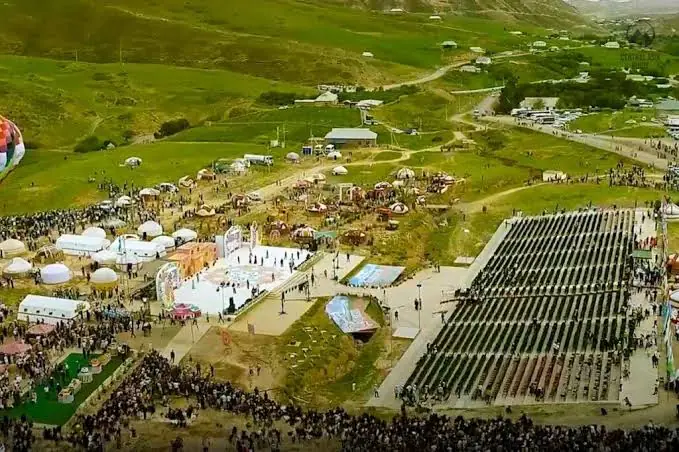
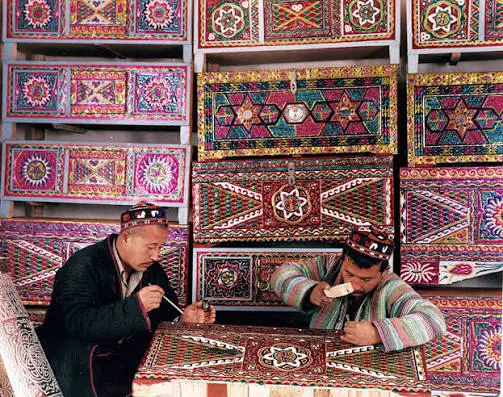
Visiting Boysun is less about seeing a single site than about encountering an entire way of life still practiced rather than performed for visitors — terraced mountain villages, seasonal festivals, and households where skills like weaving, embroidery, and traditional music are still taught from one generation to the next.
From an Ancient Mountain Pass to a UNESCO Distinction
Long before Boysun's traditions drew international attention, the district's location gave it a quieter but no less significant role in regional history. Nearby lies the historic Iron Gate, a narrow mountain defile that for centuries served as one of the few practical routes between the lowlands of Surkhandarya and the passes leading toward Afghanistan and beyond — a chokepoint mentioned by travelers, chroniclers, and conquerors moving through the region across many centuries.
While empires rose and fell in the valleys below, the mountain communities of Boysun continued largely along their own rhythm, shaped by herding, small-scale farming, and a strong tradition of oral culture that preserved local history, genealogy, and epic poetry through memorized performance rather than written record.
In 2001, this living heritage received formal international recognition when the Cultural Space of Boysun District was proclaimed a Masterpiece of the Oral and Intangible Heritage of Humanity by UNESCO, among the earliest such distinctions awarded anywhere in the world. The designation later fed into UNESCO's broader Representative List of the Intangible Cultural Heritage of Humanity, formally acknowledging what local families had maintained for generations without any expectation of outside recognition.
That recognition has since brought modest but growing attention to the district, encouraging efforts to document and support traditional practices even as younger generations navigate the same pressures toward modernization felt across rural Central Asia.
A Culture Kept Alive in Four Threads
Music and Oral Epics
Boysun is particularly known for its bakhshi tradition, in which performers recite long epic poems from memory, often accompanied by traditional instruments, preserving historical narratives and legendary tales in a form that predates written literature in the region. These performances remain a genuine part of community life rather than a staged demonstration, typically appearing at weddings, celebrations, and seasonal gatherings.
Textiles and Handicrafts
Weaving, embroidery, and other household crafts remain active skills in Boysun rather than revived novelties, with patterns and techniques often passed down within families across generations. Local textiles frequently carry symbolic motifs tied to protection, fertility, or regional identity, giving everyday household items a layer of meaning beyond their practical use.
Festivals and Seasonal Customs
Seasonal festivals, particularly those tied to spring and the agricultural calendar, remain important markers of community life in Boysun, bringing together music, dance, food, and ritual in celebrations that have continued largely unbroken for generations. Some of these gatherings have grown into wider cultural festivals that now welcome visitors alongside local participants.
The Mountain Villages
Scattered across steep terraced slopes, Boysun's villages themselves form part of the living heritage, with stone and mudbrick houses, small mosques, and agricultural terraces reflecting centuries of adaptation to a difficult mountain environment. Walking through these settlements offers a direct, unfiltered look at rural mountain life largely unchanged in its essentials.
Why Visit the Boysun Cultural Space?
Boysun offers something no monument alone can provide — a direct encounter with traditions still practiced by the people who inherited them, recognized internationally not for what was built here, but for what continues to be lived.
During your visit, you can:
Hear bakhshi performers recite epic poetry in a tradition recognized by UNESCO.
Watch traditional weaving and embroidery techniques still practiced within local households.
Experience seasonal festivals that blend music, dance, and community ritual.
Walk through terraced mountain villages shaped by centuries of adaptation to the landscape.
Pass by the historic Iron Gate mountain defile on the way into the district.
Escape the summer heat of the Surkhandarya lowlands in a cooler mountain setting.
Best Time to Visit
Boysun's mountain elevation gives it a noticeably cooler climate than the lowland cities of Surkhandarya, making it a pleasant retreat in summer, though many of the district's most vivid seasonal festivals are concentrated in spring.
The most recommended seasons are:
Spring (March–May): The season of major seasonal festivals, wildflowers, and green mountain slopes.
Early autumn (September): Stable weather and harvest-season activity across the villages.
If your main interest is in music, crafts, or festival traditions specifically, it's worth checking local event calendars in advance, as many of the most meaningful cultural moments follow their own seasonal or community-based timing.
Interesting Facts
The Cultural Space of Boysun District was proclaimed a UNESCO Masterpiece of Oral and Intangible Heritage in 2001.
The nearby Iron Gate mountain pass served for centuries as a key route between Surkhandarya and lands to the south.
Bakhshi performers recite long epic poems from memory, a tradition central to Boysun's recognized heritage.
Weaving and embroidery skills in Boysun are typically passed down directly within families.
Boysun's mountainous isolation is often credited with helping preserve its traditions with unusual continuity.
Some of Boysun's seasonal festivals have grown into wider cultural events open to outside visitors.
Travel Tips
Arrange a local guide, as many of Boysun's cultural traditions are best experienced with context and introduction.
Check local festival calendars in advance if seeing music or dance traditions is a priority.
Dress modestly and respectfully, as you will likely be visiting active households and community spaces.
Bring layers, as mountain temperatures can shift noticeably between day and evening.
Ask before photographing individuals or private homes, as a matter of basic courtesy in local communities.
The Timeless Legacy of a Culture Never Broken
Most of Uzbekistan's recognized heritage sites are monuments — buildings that outlasted the people who built them. Boysun offers something rarer: a heritage still carried by living people, passed hand to hand and voice to voice rather than preserved behind glass.
In the mountain villages of Boysun, an epic recited from memory, a pattern woven into cloth, and a festival marking the turn of the seasons all continue exactly as they have for generations — not as a display for outsiders, but as the ordinary, ongoing texture of daily life.
📞 Phone: +998 97 397 37 73
📧 Email: lapislazulitours@gmail.com
Wild Mountains Where Rare Species Still Roam Free
Along the eastern slopes of the Kugitang range, where the Pamir-Alay mountain system reaches into the far south of Uzbekistan, the Surkhan Nature Reserve protects one of the country's last true strongholds of untouched mountain wilderness. Steep gorges, juniper forests, and rocky slopes rising to more than 3,000 meters shelter a concentration of rare and endangered wildlife found almost nowhere else in Central Asia.
Established in 1986 through the merger of two earlier protected areas, the reserve was created specifically to safeguard the fragile populations of markhor and Bukhara urial that depend on this rugged terrain — species so threatened elsewhere that this corner of Surkhandarya has become one of the few places on Earth where their survival can still be reasonably counted on.
For travelers drawn to Uzbekistan's wilder side, Surkhan offers something the historic cities further north cannot — a landscape shaped entirely by geology and wildlife rather than empires and architecture, where the main attraction is not a monument but the rare chance of spotting a wild goat balanced on a cliff face at dawn.
Protecting a Fragile Corner of the Kugitang Range
The Surkhan State Nature Reserve was formally established on September 8, 1986, in the Sherabad district of Surkhandarya region, formed through the unification of two previously separate protected zones — including the earlier Kugitang reserve — into a single, more effectively managed conservation area spanning the eastern flank of the Kugitang mountains.
The decision to protect this specific stretch of terrain was driven largely by the presence of two mountain ungulates whose populations had collapsed elsewhere across their historic range: the markhor, a wild goat known for its dramatic corkscrew horns, and the Bukhara urial, a wild sheep subspecies found almost nowhere else on the planet in significant numbers. Both had already become critically rare by the mid-twentieth century, making formal protection here a matter of genuine urgency rather than routine conservation planning.
Since its founding, the reserve has expanded its role beyond these two flagship species, now serving as a refuge for an unusually wide range of Central Asian mountain wildlife, including several predators and smaller mammals that have become increasingly rare across the wider region. Camera-trap surveys in recent years have continued to document healthy populations of markhor and urial alongside occasional, closely watched sightings of far rarer animals.
Today, the reserve operates under Uzbekistan's Ministry of Ecology, Environmental Protection and Climate Change, with ongoing monitoring work — including modern camera-trap networks — helping researchers track population trends and better understand how these mountain species are adapting to an increasingly pressured environment.
A Refuge for the Kugitang's Rarest Residents
Markhor and Bukhara Urial
The reserve's best-known residents are the markhor, instantly recognizable by its long, spiraling horns, and the Bukhara urial, a wild mountain sheep found almost exclusively in this part of Central Asia. Both species favor the reserve's steep, sparsely wooded rocky slopes, moving up toward high alpine meadows in summer and descending as conditions shift, and both remain listed among Uzbekistan's most closely protected animals.
Rare Predators
Far more elusive are the reserve's largest predators — the striped hyena and the Persian leopard — both critically endangered in Uzbekistan and only occasionally confirmed through footprints or camera-trap footage rather than direct sightings. Their continued, if faint, presence here underscores just how significant this particular stretch of mountain habitat has become for species that have vanished from much of their former range.
Other Notable Wildlife
Beyond its flagship species, the reserve supports a genuinely diverse range of wildlife, including the Turkestan lynx, the goitered gazelle, wild boar, foxes, jackals, badgers, and a striking variety of birds recorded across the mountain terrain. Researchers have documented well over a hundred bird species here, reflecting the reserve's broader value as a functioning mountain ecosystem rather than a sanctuary built around just one or two animals.
The Landscape Itself
The reserve's terrain rises from roughly 850 meters to well over 3,100 meters above sea level, cut through by steep gorges and ravines that give the eastern Kugitang slopes their rugged, dramatic character. Juniper woodland covers a modest but ecologically important share of the land, while open stony slopes, scree, and alpine meadow dominate much of the higher elevations — a landscape shaped as much by erosion and altitude as by the wildlife that depends on it.
Why Visit the Surkhan Nature Reserve?
Surkhan offers a side of Uzbekistan built entirely around wilderness rather than history — a chance to trade minarets and madrasahs for mountain trails and the rare thrill of encountering animals that have all but disappeared elsewhere in the region.
During your visit, you can:
Look for markhor and Bukhara urial on the reserve's steep rocky slopes, ideally with an experienced local guide.
Explore rugged gorges and juniper woodland along the eastern edge of the Kugitang range.
Watch for a wide range of mountain bird species across the reserve's varied terrain.
Learn about ongoing conservation work protecting some of Central Asia's rarest mammals.
Experience one of the least developed, most genuinely wild corners of southern Uzbekistan.
Best Time to Visit
The reserve's mountain elevation brings noticeably cooler conditions than the Surkhandarya lowlands, but access and wildlife visibility still vary significantly by season, making careful timing worthwhile for anyone hoping to see the reserve's more elusive residents.
The most recommended seasons are:
Spring (April–May): Milder temperatures, greener slopes, and generally good conditions for wildlife activity.
Autumn (September–October): Stable weather and comfortable temperatures for longer treks into higher terrain.
Visits to protected zones within the reserve typically require advance arrangement through official channels or a licensed local guide, so planning ahead is essential rather than optional here.
Interesting Facts
The reserve was established on September 8, 1986, in the Sherabad district of Surkhandarya region.
Its terrain ranges from roughly 850 meters up to more than 3,100 meters above sea level.
The reserve is home to close to 200 recorded animal species, with dozens listed in Uzbekistan's Red Book.
Markhor and Bukhara urial populations here are among the most significant remaining anywhere in their range.
The critically endangered Persian leopard and striped hyena have both been confirmed here in recent years.
Camera traps are regularly used to monitor rare species without disturbing their natural behavior.
Travel Tips
Arrange your visit through an official guide or tour operator, as independent access to protected zones is limited.
Wear sturdy footwear suited to steep, rocky terrain rather than casual walking shoes.
Bring binoculars, as most wildlife sightings here happen at a distance on open slopes.
Keep noise to a minimum and follow your guide's instructions closely to avoid disturbing sensitive species.
Pack layers, as temperatures can shift considerably between the lowlands and higher elevations within the reserve.
A Quiet Refuge in an Increasingly Crowded World
While much of Uzbekistan's tourism story is told through minarets, mosques, and mausoleums, the Surkhan Nature Reserve tells a different kind of story — one written in hoofprints on rocky slopes and the slow, careful work of keeping a handful of vulnerable species from disappearing entirely.
For travelers willing to trade historic architecture for wild terrain, even a brief visit here offers a rare reminder that Uzbekistan's heritage is not only architectural, but also written into the mountains themselves and the animals that have called them home for far longer than any empire.
📞 Phone: +998 97 397 37 73
📧 Email: lapislazulitours@gmail.com