



Fergana
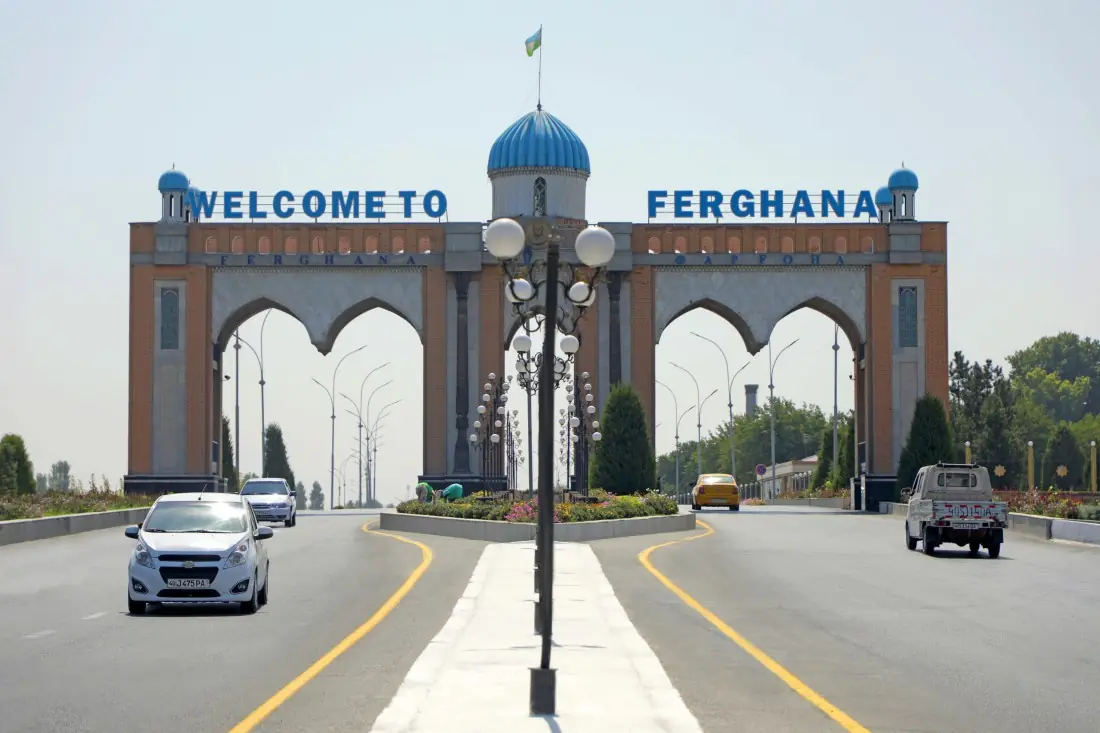
Welcome to the Fergana Valley
Discover the green heart of Central Asia, a fertile valley ringed by mountains where centuries-old craft traditions, bustling bazaars, and orchards heavy with fruit tell a very different story from the desert cities further west. Explore the ceramic workshops of Rishtan, the silk mills of Margilan, the colonial-era streets of Kokand's palace quarter, and the lively markets of Fergana city itself, all woven into one of Uzbekistan's most densely populated and agriculturally rich regions. Your complete travel guide to the Fergana Valley.
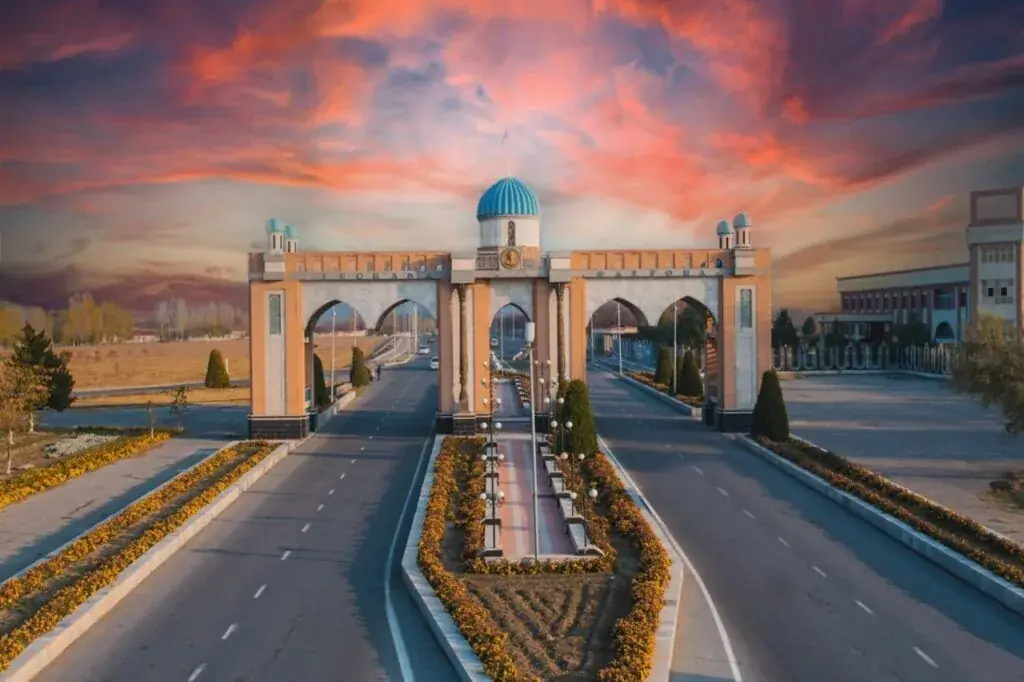
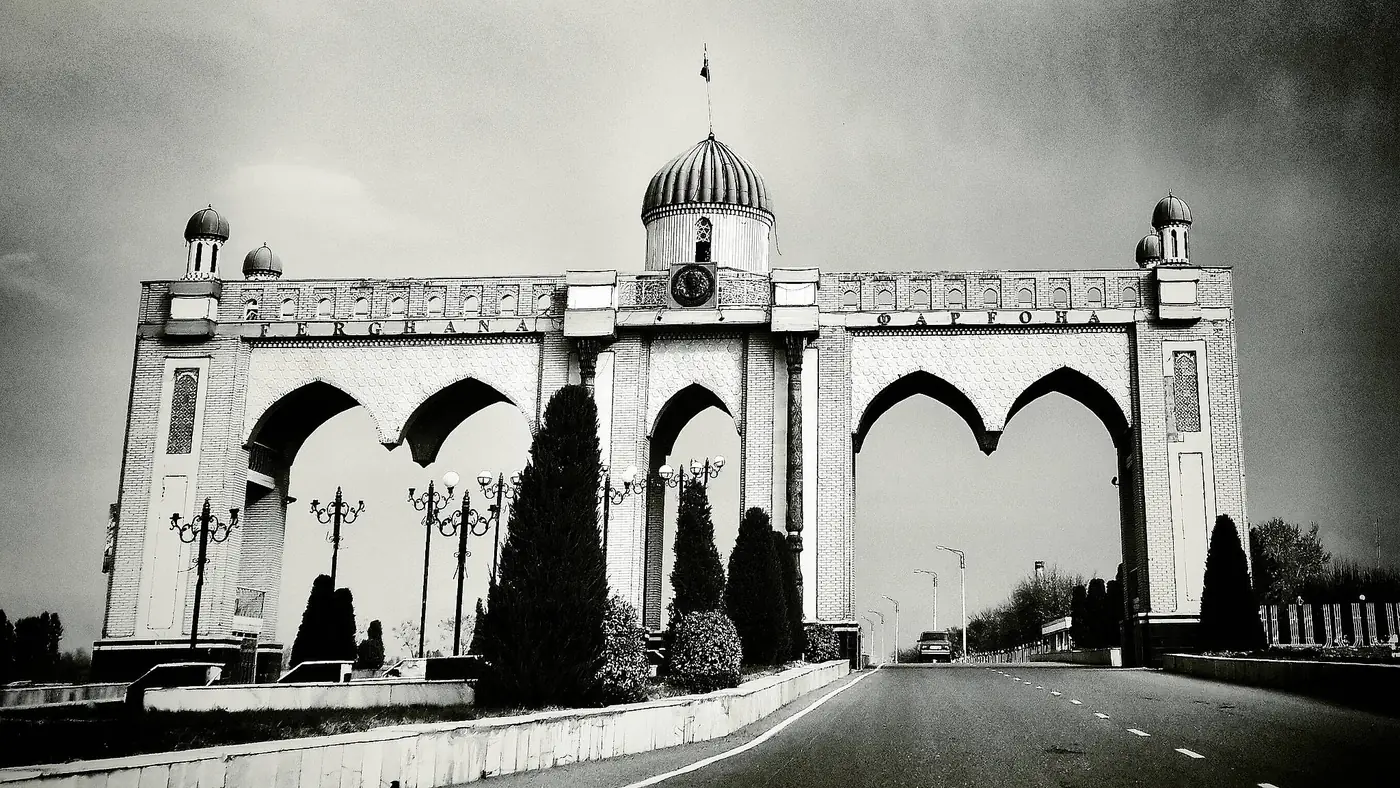
Tucked into the far east of Uzbekistan and shared with neighboring Kyrgyzstan and Tajikistan, the Fergana Valley has been settled and farmed for thousands of years, watered by rivers flowing down from the surrounding Tian Shan and Pamir-Alay ranges. Long before it became one stop among many on Silk Road itineraries, the valley was already known as a center of sericulture, ceramics, and skilled metalwork, crafts that local families in towns like Rishtan and Margilan continue to practice much as their ancestors did. Kokand, once capital of its own independent khanate, still preserves the ornate palace of its last ruler alongside quieter mosques and madrasas tucked between modern streets.
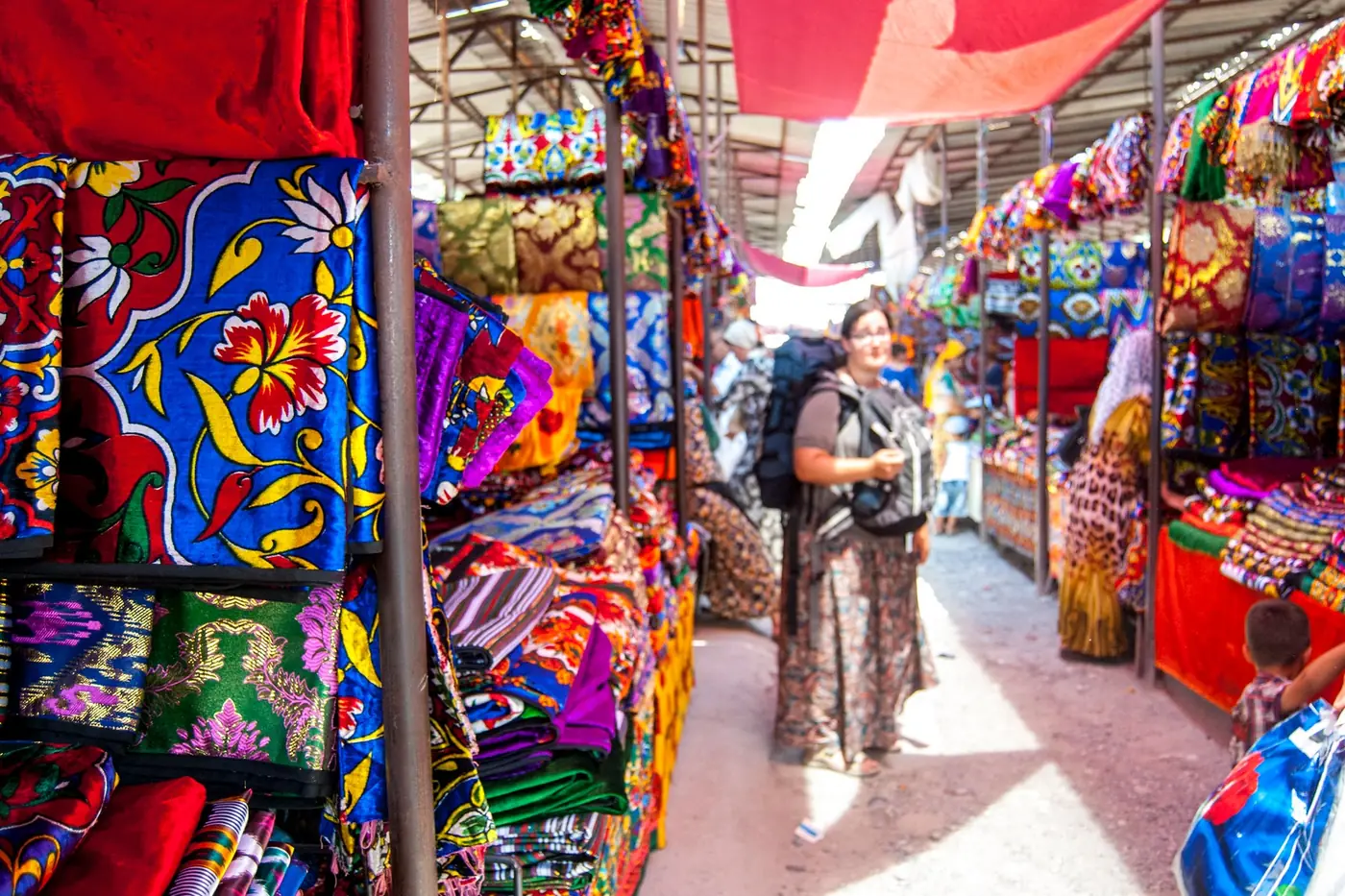
A trip through the Fergana Valley feels noticeably different from the grand monument-hopping typical of Samarkand or Bukhara. Here the appeal lies less in single standout landmarks and more in the rhythm of daily craft and commerce — watching a potter glaze a plate by hand, walking through a silk factory where thread is still reeled the traditional way, or simply wandering a market piled high with melons, dried fruit, and bread fresh from the tandoor. Comfortable guesthouses, family workshops open to visitors, and warm local hospitality make it easy to slow down here, whatever combination of culture, craft, and countryside you're hoping to find.
Basic Information
Travel Information
Why Visit the Fergana Valley?
The Fergana Valley offers a side of Uzbekistan few travelers see — one shaped less by imperial monuments than by generations of farmers, weavers, and potters working the same land and crafts their families have practiced for centuries. It's a destination for anyone curious about how Silk Road traditions survive today as living work, not just museum displays.
As one of the most fertile and densely populated corners of Central Asia, the valley has long depended on irrigation, trade, and skilled craft to support its communities. Today, its silk workshops, ceramic studios, and sprawling bazaars give visitors a hands-on window into industries that once supplied caravans across the entire region, paired with a noticeably slower, more rural pace than the well-trodden circuit of Samarkand and Bukhara.
What Makes the Fergana Valley Truly Special
Home to Margilan, one of the last places in the world still weaving traditional ikat silk by hand.
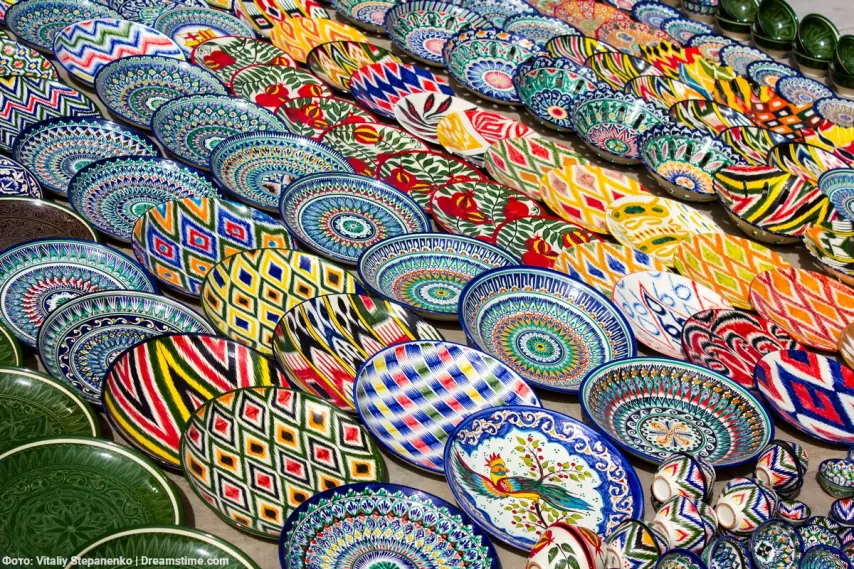
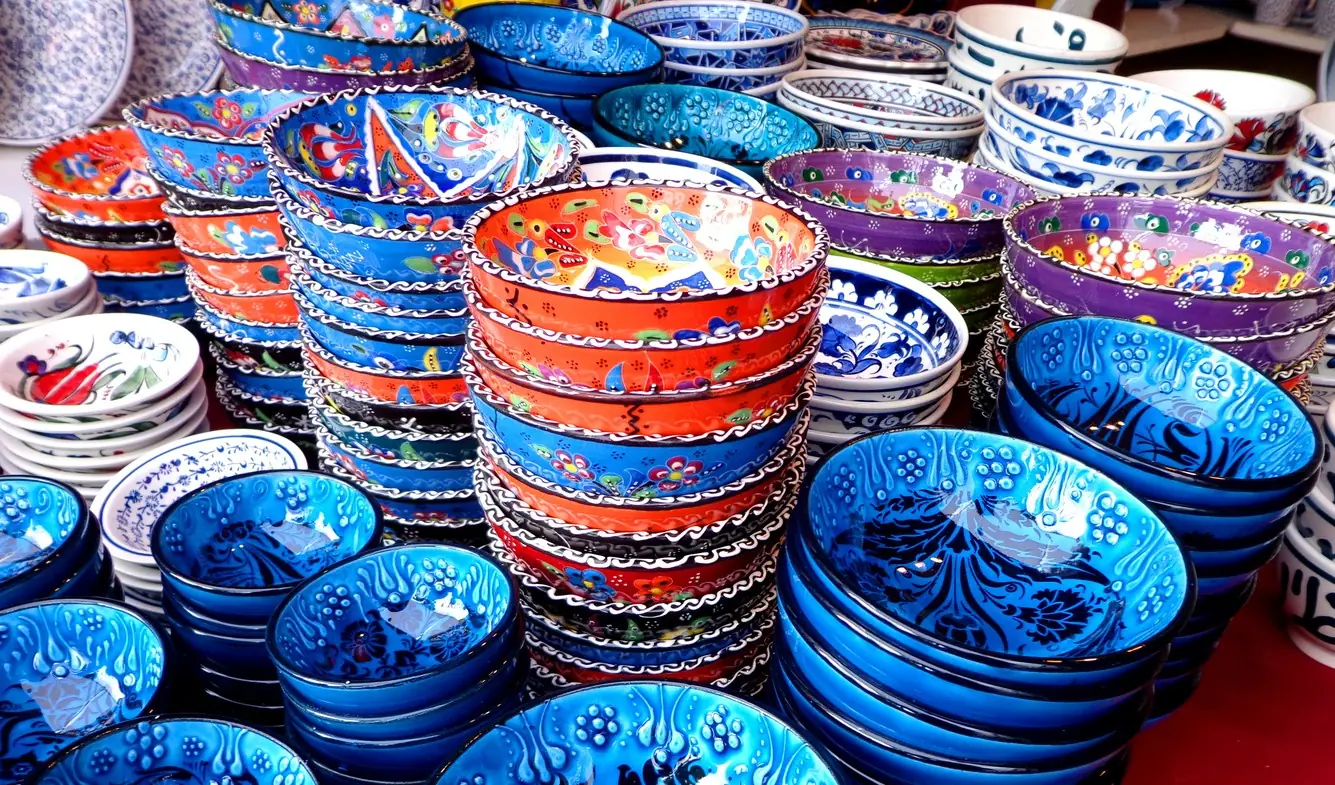
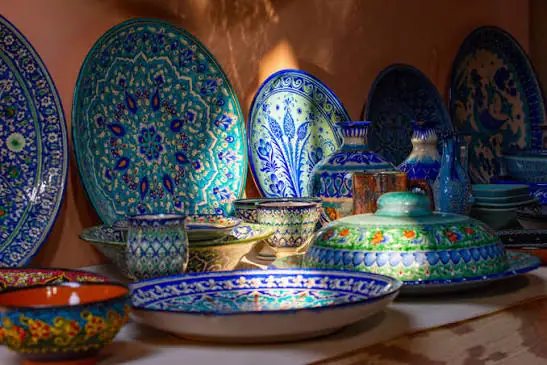
The ceramic town of Rishtan, famous across Central Asia for its distinctive blue-and-turquoise glazes.
Kokand, once the seat of an independent khanate, with its ornate late-19th-century palace still standing.
One of Uzbekistan's most fertile agricultural regions, famous for its orchards, cotton fields, and produce markets.
Living workshops where visitors can watch silk, ceramics, and knives being made using centuries-old techniques.
A less-touristed region offering a more relaxed, everyday encounter with Uzbek rural and craft life.
History of the Fergana Valley
People have farmed the Fergana Valley for well over two thousand years, drawn by its unusually fertile soil and reliable river water in a region otherwise dominated by desert and steppe. Chinese chronicles from more than two thousand years ago already describe the valley — then known as Dayuan — as a land of walled towns and prized horses, among the earliest written records connecting this corner of Central Asia to the wider world.
Positioned along secondary Silk Road routes linking Transoxiana to the Tarim Basin and beyond, the valley grew wealthy on a combination of farming, sericulture, and craft production, with towns like Kokand, Margilan, and Andijan developing distinct local specialties. In the eighteenth century, Kokand rose to prominence as the capital of its own khanate, at times rivaling Bukhara and Khiva in regional influence before its incorporation into the Russian Empire in the 1870s.
Today, the Fergana Valley remains one of Uzbekistan's most densely populated and agriculturally productive regions, its old craft towns still producing silk, ceramics, and metalwork much as they have for generations. While less monumentalized than Samarkand or Bukhara, its living traditions and everyday rhythms offer visitors a different, equally valuable window into Central Asia's long history of trade and craftsmanship.
Geographical Location of the Fergana Valley
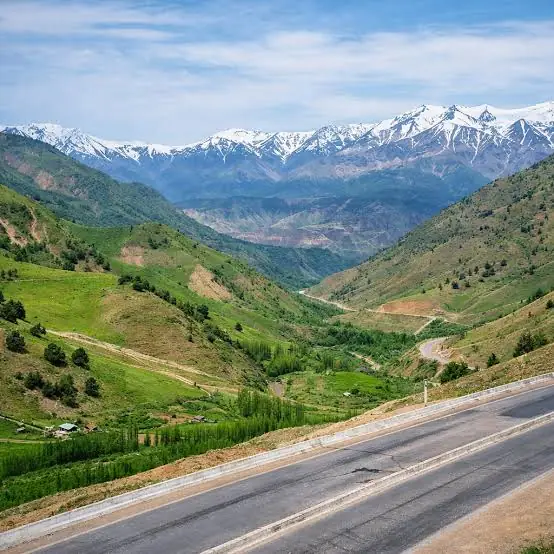
The Fergana Valley sits in the far east of Uzbekistan, an oval-shaped lowland ringed almost entirely by the Tian Shan and Pamir-Alay mountain ranges, with only a narrow gap to the west connecting it to the rest of the country. This mountain enclosure, combined with river water flowing down from the surrounding peaks, gives the valley an unusually fertile microclimate compared to much of arid Uzbekistan.
The valley is served by Fergana International Airport, with regular domestic flights connecting to Tashkent, as well as by rail and road links, including a mountain tunnel route through the Kamchik Pass that considerably shortens overland travel from the capital. Its three main cities — Fergana, Margilan, and Kokand — sit close enough together that all can comfortably be visited within a single multi-day trip.
Traditional Cuisine of the Fergana Valley
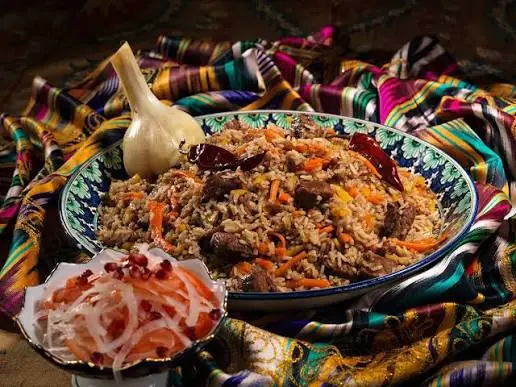
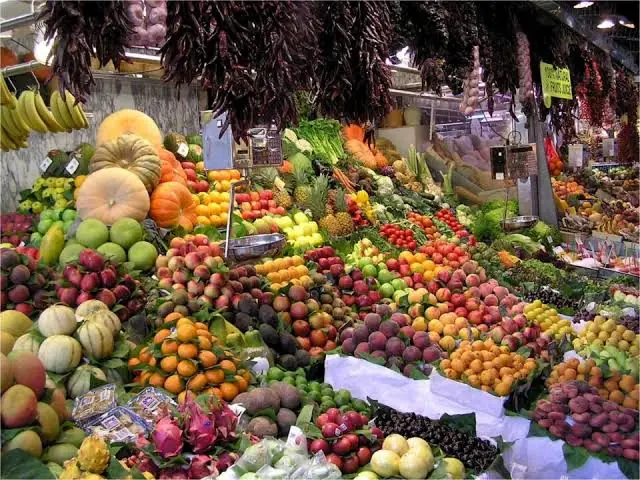
Thanks to its exceptionally fertile soil, the Fergana Valley is often considered the source of some of the finest produce and plov in Uzbekistan, with local cooks taking particular pride in their version of the national dish. Visitors can also try norin (thin hand-cut noodles with meat), freshly baked non bread from countless small bakeries, honeyed nishalda, and an abundance of fruit — grapes, melons, apricots, and pomegranates — sold straight from orchard to market stall. Eating in Fergana often means eating close to the source, in teahouses and market stalls surrounded by the very produce on the plate.



Best Time to Visit
The best time to visit the Fergana Valley is during late spring (April–June) and early autumn (September–October), when temperatures are comfortable for walking through markets and workshops and the region's famous orchards are either blooming or heavy with fruit. Summers here can be intensely hot, while winters bring a noticeable chill down from the surrounding mountains.
Fergana International Airport connects the valley to Tashkent with regular domestic flights, while road and rail routes, including the tunnel through the Kamchik Pass, link it overland to the rest of Uzbekistan. Because the valley's three main towns sit relatively close together, it's easy to combine Fergana, Margilan, and Kokand into a single well-paced regional itinerary.
The Fergana Valley Awaits You
Beyond the mountains lies a valley where craft traditions are still a living trade rather than a display — silk reeled by hand in Margilan's workshops, plates glazed in Rishtan's family studios, and markets stacked high with fruit grown in the surrounding orchards. Wander through Kokand's ornate palace, watch artisans at work, and let the valley's slower, agricultural rhythm offer a different kind of Silk Road story than the grand cities further west.
Ready to explore the Fergana Valley? Let Lapis Lazuli Tours craft an unforgettable journey through this fertile region of craft, orchard, and history. Contact our travel specialists today and begin planning your perfect adventure.
📞 Phone: +998 97 397 37 73
📧 Email: lapislazulitours@gmail.com
The Last Great Palace of the Kokand Khanate
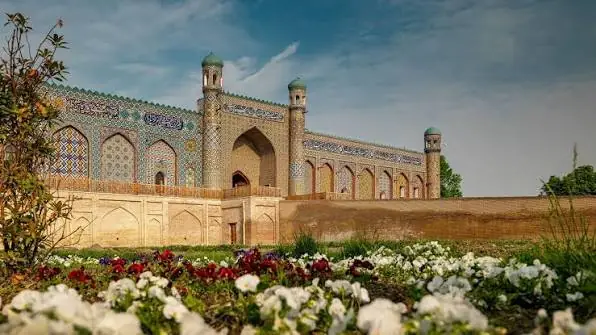
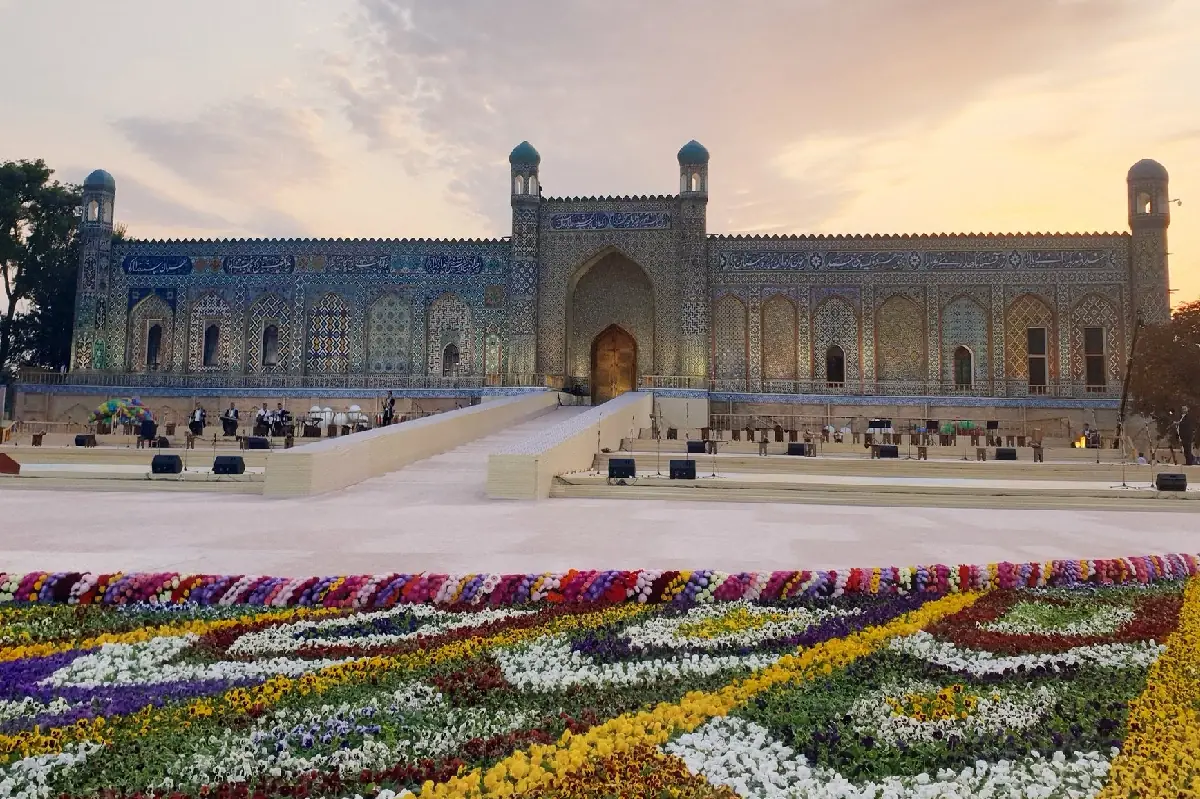
Standing in the heart of Kokand in the Fergana Valley, the Khudayar Khan Palace, known locally as the "Urda," was once the largest and most opulent residence ever built by a Central Asian ruler. Constructed in the final decades of the Kokand Khanate's independence, it represents the last major flourish of Fergana Valley palace architecture before the region was absorbed into the Russian Empire.
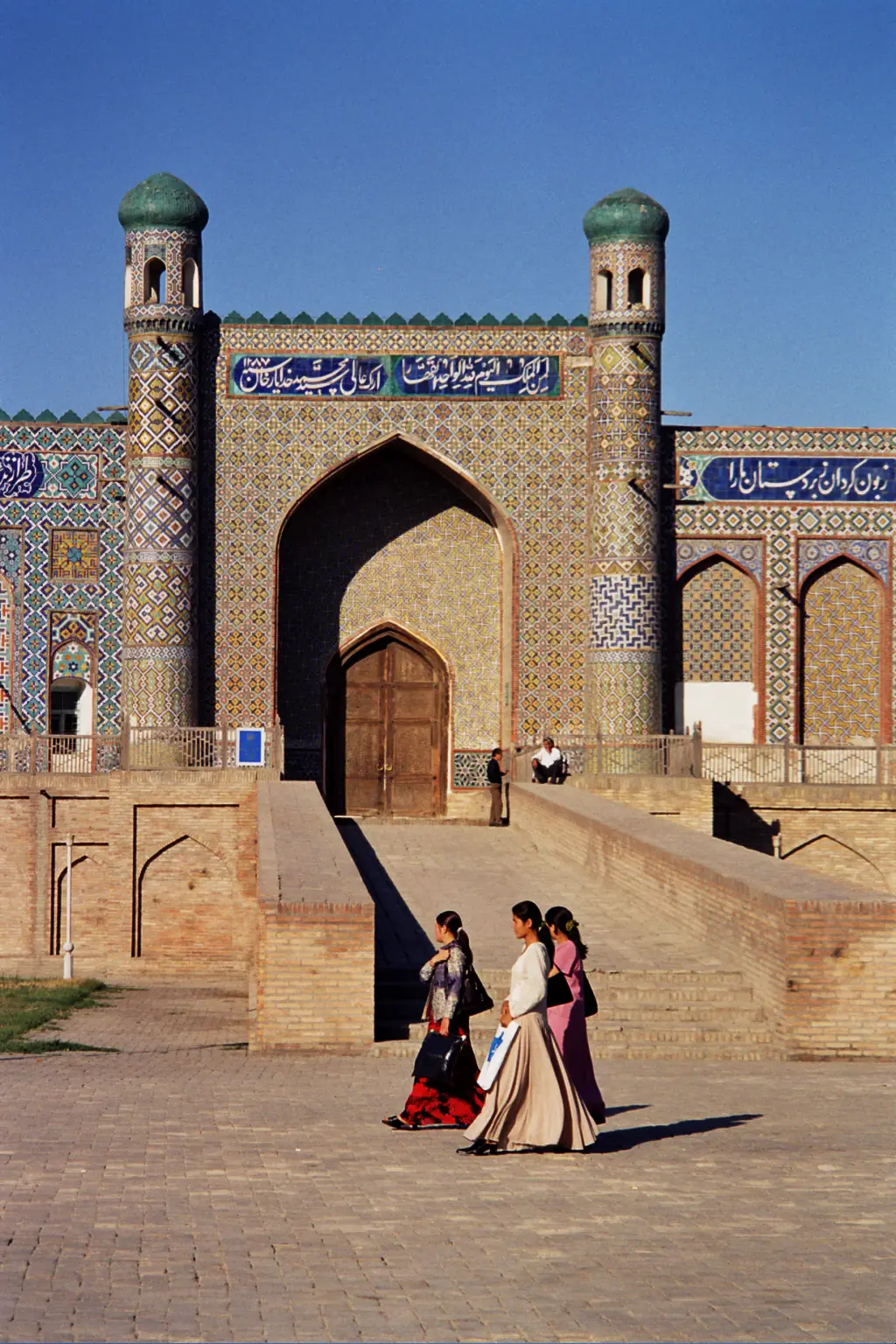
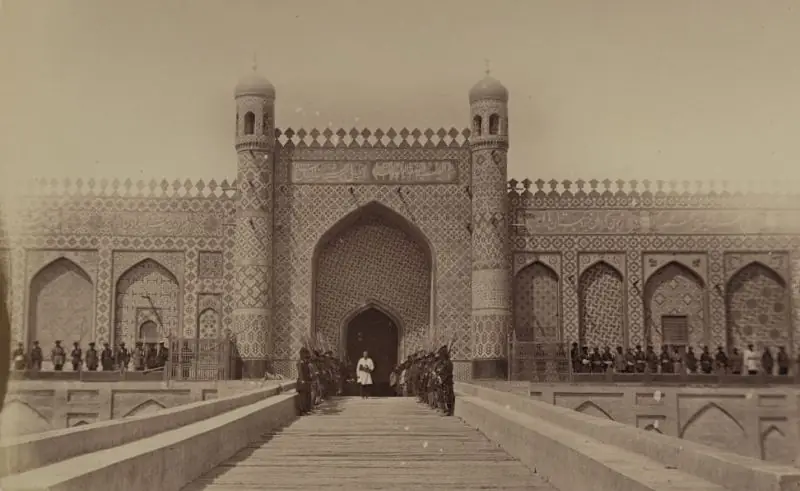
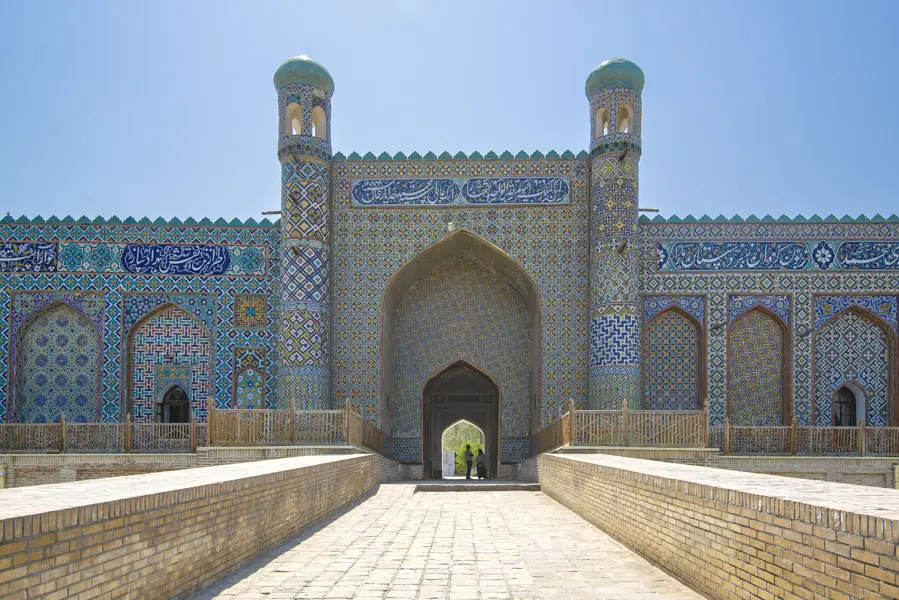
Behind its towering entrance gate, flanked by minaret-like towers covered in glazed tile, the palace once held seven interconnected courtyards, reception halls, private family quarters, a mosque, and a treasury — a small city in itself, built to project the wealth and authority of its ruler at a moment when that authority was already under threat.
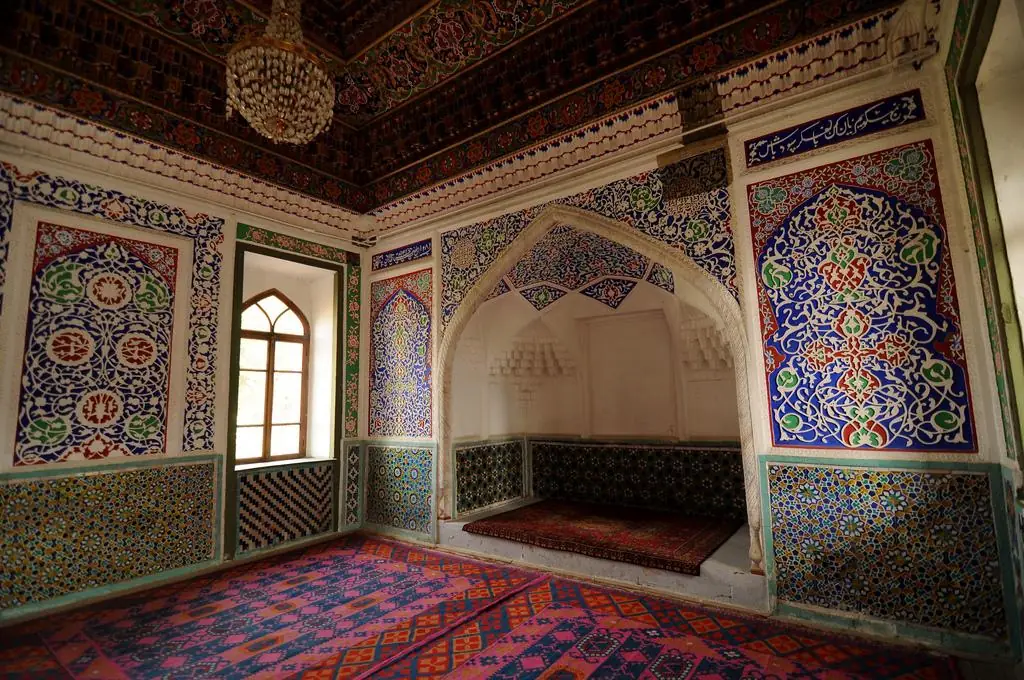
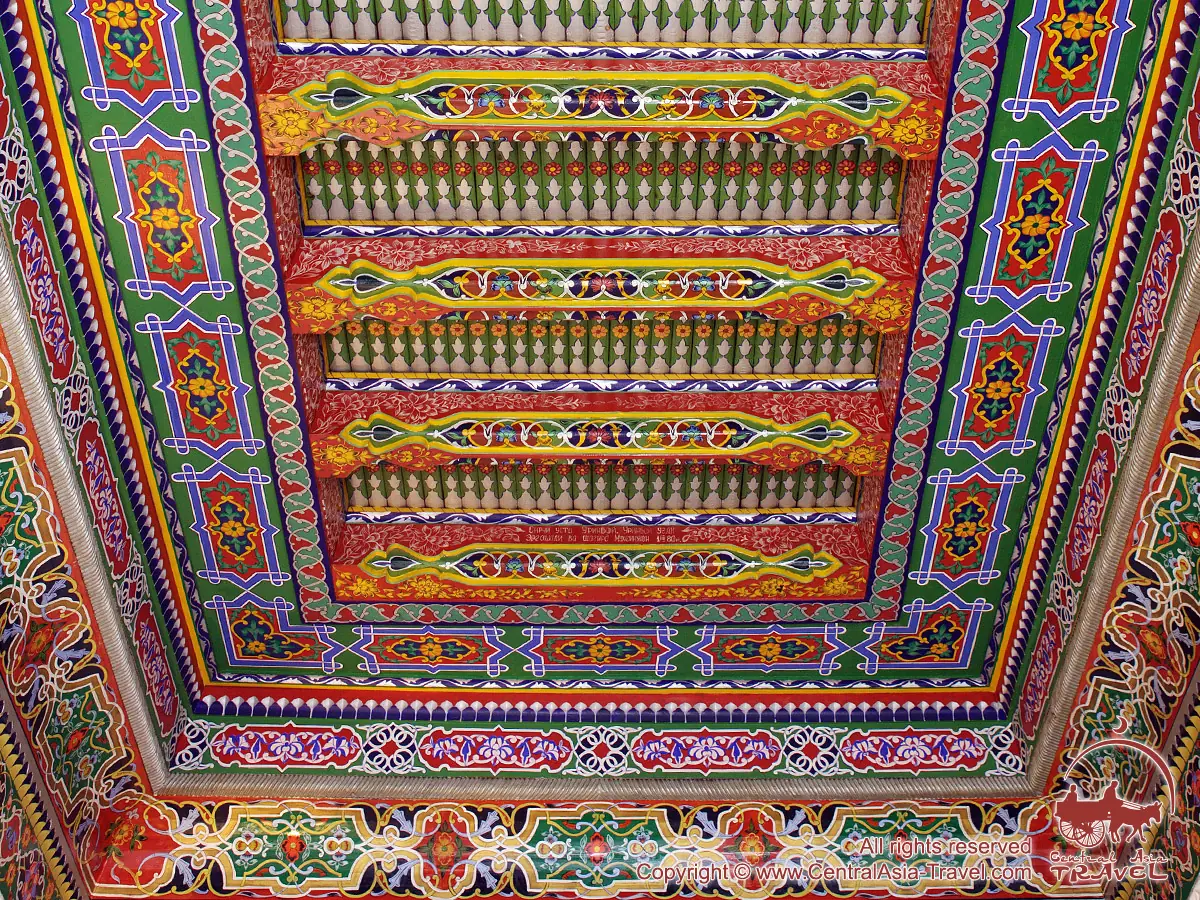
Today, only a fraction of the original complex survives, yet what remains is striking enough to reveal why the palace was once considered one of the finest examples of secular Central Asian architecture, filled with detailed tilework, carved wood, and painted ceilings that avoided any depiction of humans or animals in accordance with Islamic artistic tradition.
A Journey Through History
The palace was commissioned by Khudayar Khan, the ruler of the Kokand Khanate, and built between 1863 and 1873 under the direction of the architect Mir Ubaydullo. Khudayar Khan had already been forced from the throne twice during earlier periods of political upheaval, and the new palace was intended, in part, as a statement of restored power and permanence.
At its completion, the complex covered a vast area and reportedly contained around 119 rooms arranged across seven courtyards, each serving a different function — from formal state receptions to the private quarters of the khan's household. Craftsmen were brought in from across the Khanate to complete its tilework, carving, and painted interiors.
Khudayar Khan's rule over the finished palace proved short-lived. Growing unrest and the advancing Russian Empire brought the Khanate's independence to an end in the 1870s, and the khan was forced into exile not long after his grand residence was completed, spending only a few years within its walls before losing his throne for good.
Following the Russian conquest, much of the palace was deliberately dismantled, and later Soviet-era changes further reduced the complex. Today, only about a quarter of the original structure remains — roughly two courtyards and nineteen rooms — but restoration work has preserved these surviving sections as a museum open to the public.
Life Within the Palace Walls
In its full form, the Khudayar Khan Palace functioned as a self-contained seat of government, combining the khan's private household with the formal machinery of the Kokand Khanate under a single roof.
Inside the surviving sections of the palace, visitors can discover:
The grand entrance gate, flanked by towers decorated with intricate glazed tilework.
The reception hall, once used for formal audiences and state ceremonies.
Private chambers that formed part of the khan's residential quarters.
A small mosque built for the khan and his household.
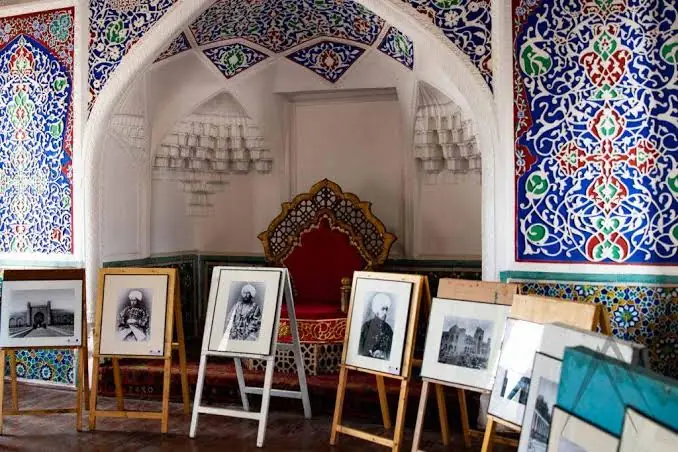
Museum halls displaying artifacts from the Kokand Khanate and the wider history of the Fergana Valley.
Even in its reduced form, the palace conveys the scale of ambition behind the original complex, standing as one of the last grand statements of political power built anywhere in the Fergana Valley before Russian rule began.
An Architectural Masterpiece
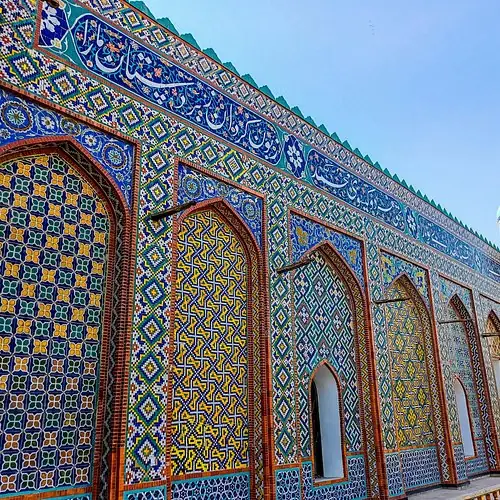
The palace's entrance is its most famous feature: a towering gateway flanked by two minaret-like towers, its surface entirely covered in bands of glazed majolica tile arranged in dense floral and geometric patterns of blue, turquoise, yellow, and white, executed with a precision that made the palace renowned throughout the region.
Inside, the surviving halls display an equally rich combination of decorative techniques — carved and painted wooden ceilings, ganch (carved alabaster) panels, and further tilework covering walls and archways. In keeping with Islamic artistic tradition, the decoration is entirely geometric and floral, with no depictions of humans or animals anywhere in the complex.
The layout reflects the practical needs of a working royal residence as much as its decorative ambitions, with separate courtyards originally dividing public ceremonial space from private family life, a pattern common to Central Asian palace architecture of the period but executed here on an unusually grand scale.
Despite losing roughly three-quarters of its original footprint, the palace's remaining sections have been carefully restored, and the intensity of its tilework and woodwork still gives visitors a vivid sense of how extraordinary the complete complex must once have appeared.
Why Visit Khudayar Khan Palace?
As one of the last great palaces built by an independent Central Asian ruler, Khudayar Khan Palace offers a rare window into Fergana Valley history and craftsmanship, distinct from the better-known monuments of Bukhara, Samarkand, and Khiva.
During your visit, you can:
Admire the palace's monumental tiled entrance gate, one of the finest in Central Asia.
Explore the surviving courtyards and reception halls of a former royal residence.
Discover museum exhibits on the history of the Kokand Khanate and the Fergana Valley.
See carved wooden ceilings and ganch panels rarely found outside the region's grandest buildings.
Learn the story of Khudayar Khan, whose reign ended just as his greatest building project was completed.
A Symbol of Kokand's Heritage
While not part of a UNESCO World Heritage Site, Khudayar Khan Palace is recognized as one of Uzbekistan's most important surviving monuments of secular royal architecture and is protected as a national historical and cultural landmark.
As the last palace built by an independent Kokand khan, it stands as a physical record of the Fergana Valley's political history at the very moment it was drawing to a close, and today it anchors Kokand's identity as one of the great historical cities of Uzbekistan.
Travel Tips for Visitors
Khudayar Khan Palace is one of Kokand's main attractions and pairs well with a broader day trip through the Fergana Valley's historical sites.
Allow around 1–1.5 hours to explore the palace and its museum exhibits.
Visit in the morning for the best light on the tiled entrance gate for photography.
Take time to look closely at the ceiling and wall details in the surviving halls.
Consider hiring a local guide to learn the history of Khudayar Khan and the Kokand Khanate.
Combine your visit with Kokand's other historical sites, such as the Jami Mosque and Modari Khan Mausoleum.
Best Time to Visit
Spring (March–May) and autumn (September–November) offer the most comfortable weather for exploring Kokand and the Khudayar Khan Palace, avoiding the intense heat of the Fergana Valley summer.
Morning visits are particularly rewarding, when soft light brings out the color of the entrance gate's tilework before the midday sun grows too strong.
Kokand Awaits You
Step through the tiled gateway of Khudayar Khan Palace and discover the final chapter of the Kokand Khanate's story, told through carved wood, painted ceilings, and one of the most striking entrances in all of Central Asia.
Ready to explore Khudayar Khan Palace? Let Lapis Lazuli Tours create an unforgettable journey through the history and culture of Kokand and the Fergana Valley. Contact our travel experts today to plan your perfect adventure.
📞 Phone: +998 97 397 37 73
📧 Email: lapislazulitours@gmail.com
Where Fergana's Silk Road Legacy Is Still Woven by Hand
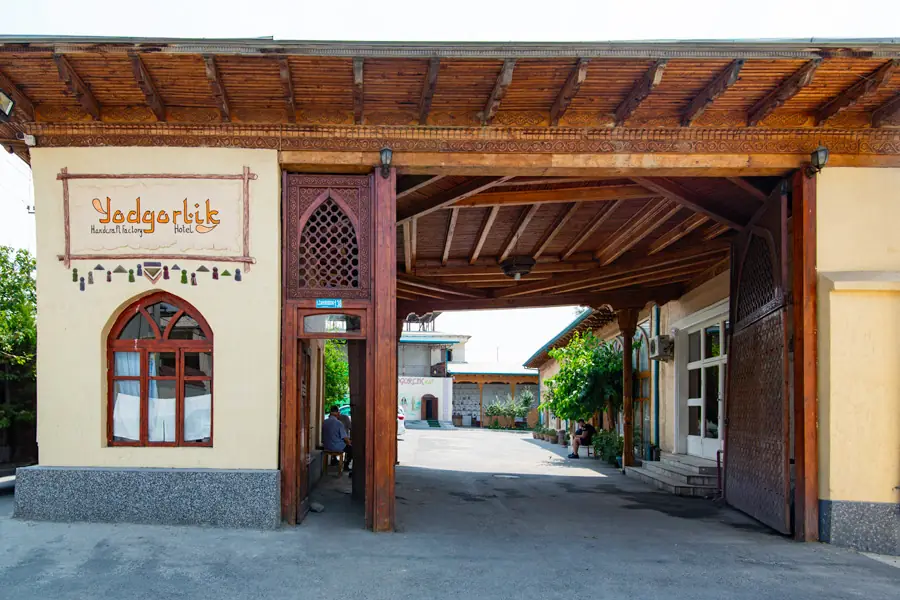
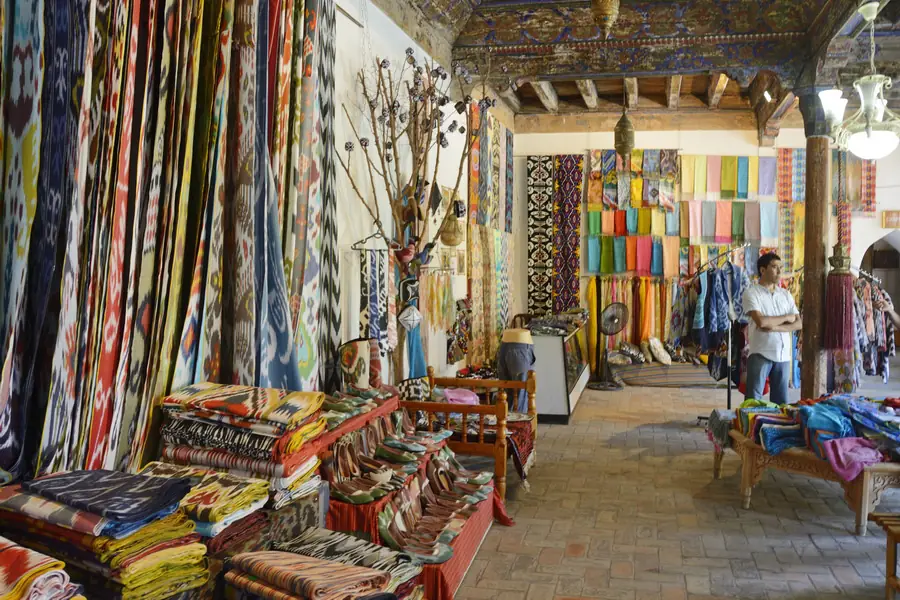
In the city of Margilan, a place that has produced silk for well over two thousand years, the Yodgorlik Silk Factory keeps one of Central Asia's oldest crafts alive using almost entirely traditional, hand-operated methods. While most modern textile production has shifted to industrial machinery, Yodgorlik remains one of the few places in the world where visitors can watch silk made from start to finish exactly as it was done centuries ago along the Silk Road.
The name "Yodgorlik" means "memorial" or "keepsake" in Uzbek, a fitting title for a factory whose entire purpose is to preserve a craft that could easily have been lost to industrialization. Generations of local artisans, many from families who have worked in silk production for decades, carry out every stage of the process here: raising silkworms, unwinding cocoons, dyeing thread with natural pigments, and weaving finished fabric on wooden looms passed down through the workshop's history.
A visit to Yodgorlik is less a factory tour than a walk through the full life cycle of silk itself, from the mulberry leaves that feed the silkworms to the finished bolts of shimmering ikat cloth ready for sale, making it one of the most hands-on cultural experiences available anywhere in the Fergana Valley.
A Journey Through History
Margilan's relationship with silk stretches back over two millennia, to the earliest days of the Silk Road, when the city grew wealthy as a center of production and trade linking China's silk-producing regions with markets across Persia, the Middle East, and Europe. Local legend even credits the city's name to the Arabic and Persian words for chicken and bread, tied to a story of Alexander the Great passing through the region, though its true origins as a silk-trading center are far better documented.
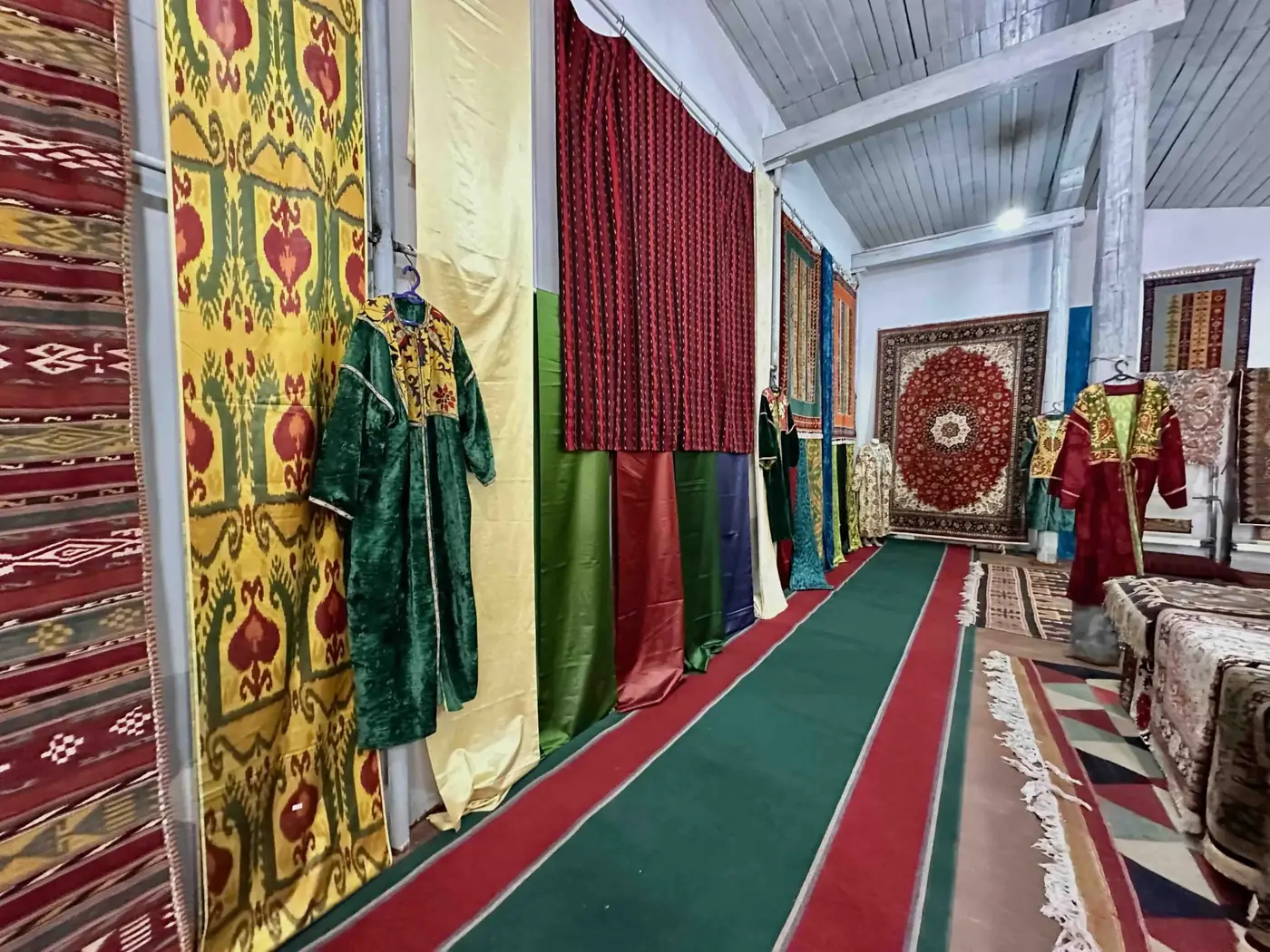
Through the medieval period and into the era of the Kokand Khanate, Margilan silk became renowned across Central Asia, particularly the brightly patterned ikat fabric known locally as "atlas" and "adras," produced using a labor-intensive resist-dyeing technique in which threads are tied and dyed in patterns before being woven, creating the fabric's distinctive blurred, flame-like designs.
The Yodgorlik factory itself was established to safeguard this craft as industrial textile production spread across the wider region during the 20th century. Rather than mechanizing, the factory deliberately preserved hand-operated looms, natural dyeing methods, and traditional weaving patterns, training successive generations of artisans in techniques that had been passed down informally within Margilan families for centuries.
Today, Yodgorlik stands as one of the last large-scale operations anywhere producing silk almost entirely by traditional methods, and it has become an internationally recognized symbol of Fergana Valley craftsmanship, visited by textile enthusiasts, historians, and travelers from around the world.
From Cocoon to Cloth
What makes a visit to Yodgorlik so remarkable is the chance to see every single stage of silk production in one place, carried out largely by hand exactly as it has been for generations.
At the factory, visitors can watch:
Silkworms feeding on mulberry leaves and spinning their cocoons, the very first stage of the entire process.
Cocoons boiled and carefully unwound into single continuous threads of raw silk.
Threads dyed using entirely natural pigments made from walnut husks, pomegranate skins, onion peels, indigo, and other plants.
The traditional ikat resist-dyeing technique, in which bundles of thread are tied and dyed in stages to create pattern before weaving even begins.
Weavers working at wooden looms, turning dyed thread into finished lengths of atlas, adras, and silk carpet.
Watching the full sequence unfold gives visitors a rare appreciation for just how much skill and patience goes into a single length of Fergana silk, long before it ever reaches a finished garment or carpet.
A Living Craft Tradition
Unlike a museum display, Yodgorlik is a working factory, and the artisans visitors see are producing real fabric and carpets for sale, not demonstrations staged purely for tourists. Many weavers have spent decades perfecting their craft, and some come from families that have worked in Margilan's silk industry across multiple generations.
The ikat patterns produced here are known for their distinctive blurred edges, a direct result of the resist-dyeing process, where slight shifts in the tied threads create soft, flame-like transitions between colors rather than sharp lines. No two lengths of fabric are ever quite identical, making each piece a genuinely handmade product rather than a mass-produced textile.
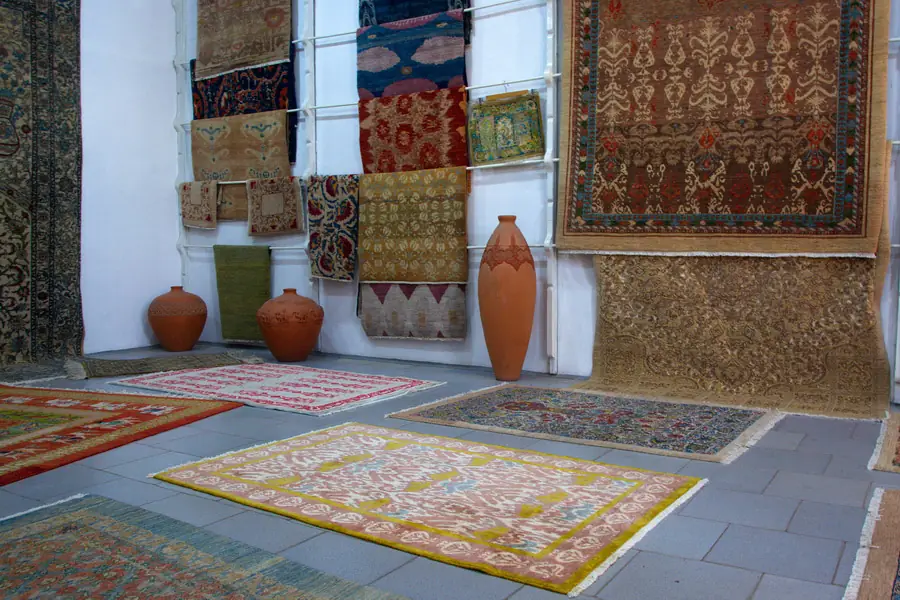
Alongside fabric for clothing, Yodgorlik also produces hand-knotted silk carpets, a slower and even more labor-intensive craft that can take skilled weavers months to complete a single piece, depending on its size and the complexity of its pattern.
Why Visit Yodgorlik Silk Factory?
Few places in Uzbekistan offer such a direct, hands-on encounter with a living craft tradition, making Yodgorlik one of the most memorable stops for travelers interested in textiles, history, or traditional craftsmanship.
During your visit, you can:
Follow the entire silk-making process, from live silkworms to finished fabric.
Watch artisans dye thread using centuries-old natural recipes.
See traditional ikat patterns take shape on hand-operated looms.
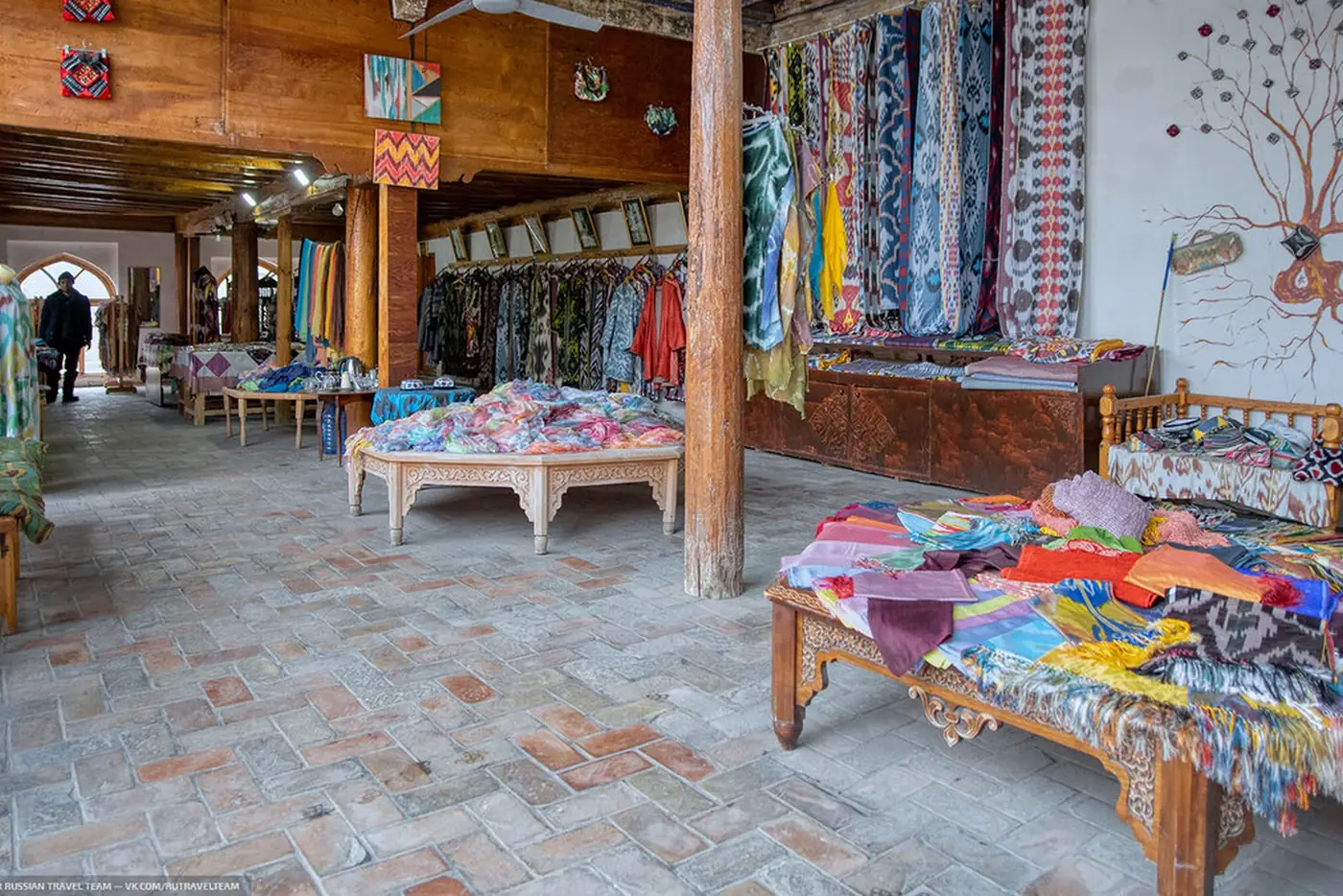
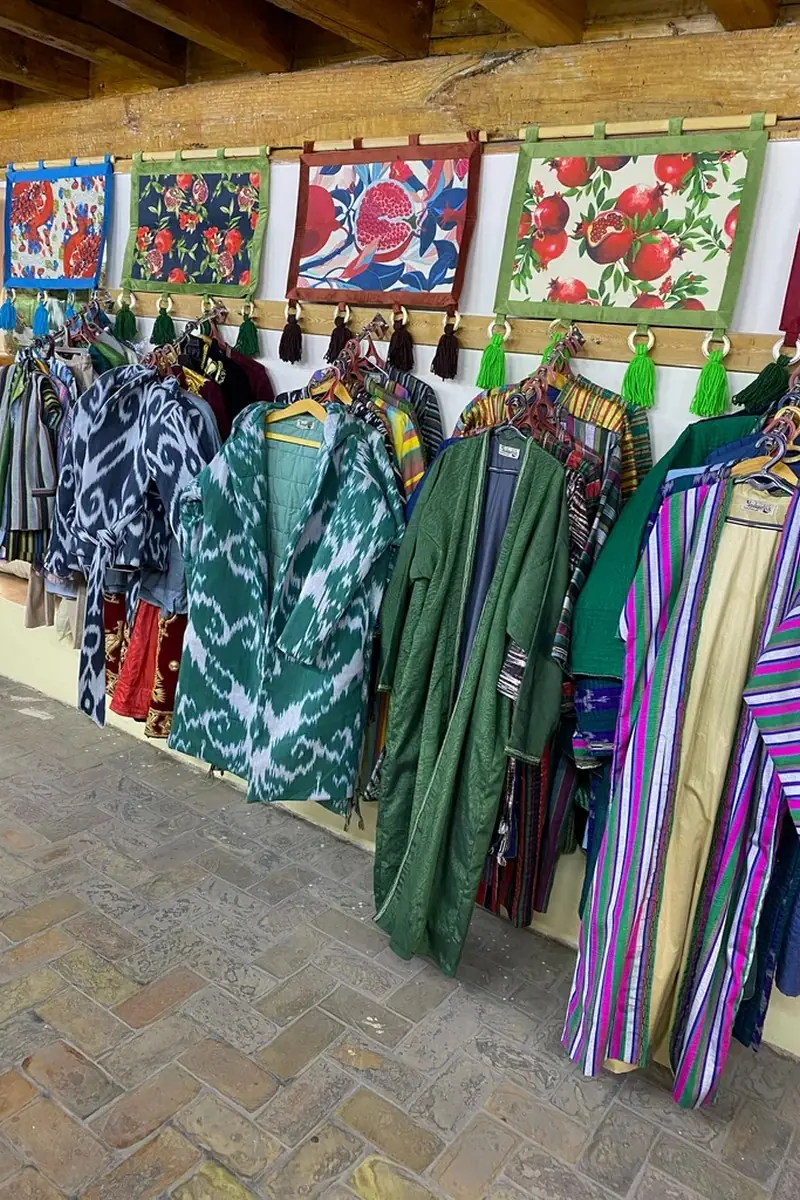
Browse and purchase genuine handmade silk fabric, scarves, and carpets directly from the workshop.
Learn about Margilan's role as one of the great historic silk-trading cities of the Silk Road.
Preserving a Silk Road Legacy
Margilan's ikat weaving tradition has been recognized by UNESCO for its cultural importance, and Yodgorlik remains one of the primary institutions actively keeping this craft alive rather than letting it fade into industrial mass production.
By training new generations of weavers and dyers in fully traditional methods, the factory ensures that a craft once common across the whole Silk Road survives as a genuine living practice rather than a historical curiosity, giving visitors direct contact with a tradition still being carried forward today.
Travel Tips for Visitors
Yodgorlik welcomes visitors for guided walk-throughs of the workshop floors, and a little preparation helps make the most of the visit.
Allow around 1–1.5 hours to see the full production process from start to finish.
Visit on a weekday morning, when the workshop floors are typically at their busiest with artisans at work.
Bring cash if you plan to purchase fabric, scarves, or carpets directly from the factory shop.
Ask your guide about the difference between atlas and adras fabric before browsing the shop.
Combine your visit with a walk through Margilan's lively local bazaar nearby.
Best Time to Visit
Spring (March–May) and autumn (September–November) offer the most pleasant travel conditions for exploring Margilan and the wider Fergana Valley, avoiding the intense summer heat of the region.
Weekday visits generally offer the fullest view of the production process, as more artisans are typically at work compared to weekends, giving visitors a more complete look at each stage of silk-making.
Margilan Awaits You
Step inside Yodgorlik Silk Factory and watch a craft that has connected Fergana Valley to the wider world for over two thousand years, still being carried out today by the same patient, skilled hands that have kept it alive for generations.
Ready to explore Yodgorlik Silk Factory? Let Lapis Lazuli Tours create an unforgettable journey through the history and craftsmanship of Margilan and the Fergana Valley. Contact our travel experts today to plan your perfect adventure.
📞 Phone: +998 97 397 37 73
📧 Email: lapislazulitours@gmail.com
The Blue Heart of Uzbek Pottery in the Fergana Valley
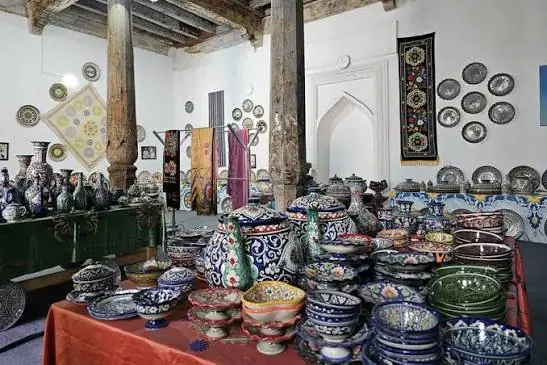
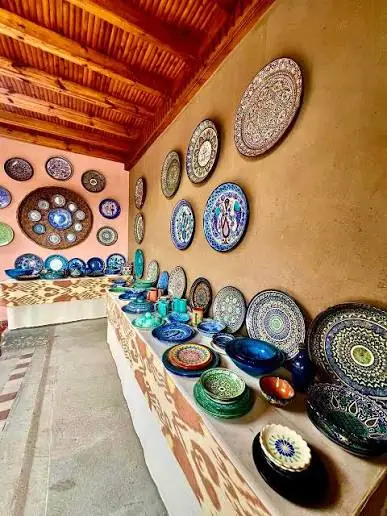
In the small town of Rishtan, tucked into the Fergana Valley between Kokand and Margilan, generations of master potters have produced some of the most recognizable ceramics in all of Central Asia. Known for its deep cobalt blues and glowing turquoise greens, Rishtan pottery has become so closely tied to its hometown that the name of the town itself is now used almost as a style label across Uzbekistan.
What sets Rishtan apart from other ceramic centers is not decoration alone but geology. The area sits on deposits of a particular reddish clay found almost nowhere else in the region, and local potters developed a glaze recipe from the ash of desert plants that reacts with this clay to produce colors no other Uzbek pottery town has ever quite managed to replicate.
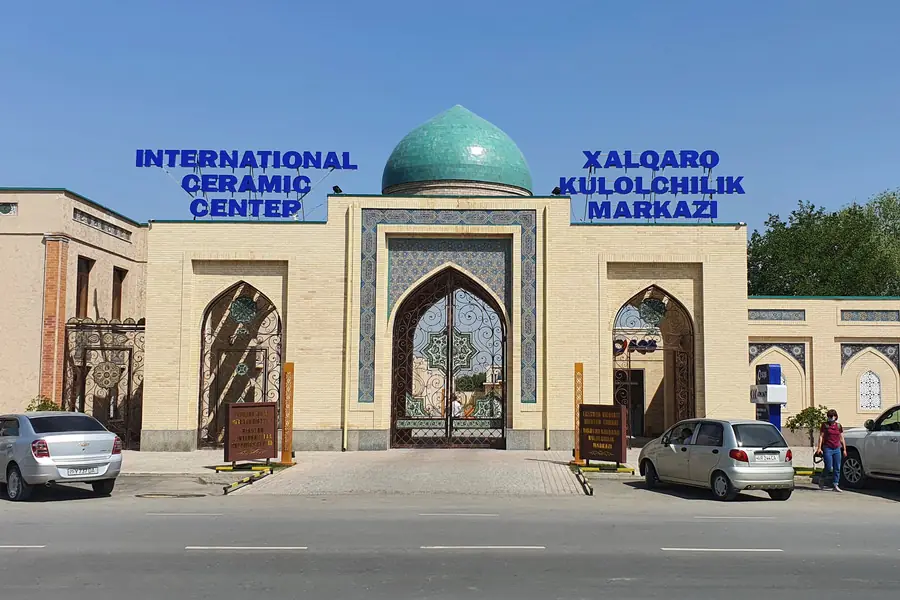
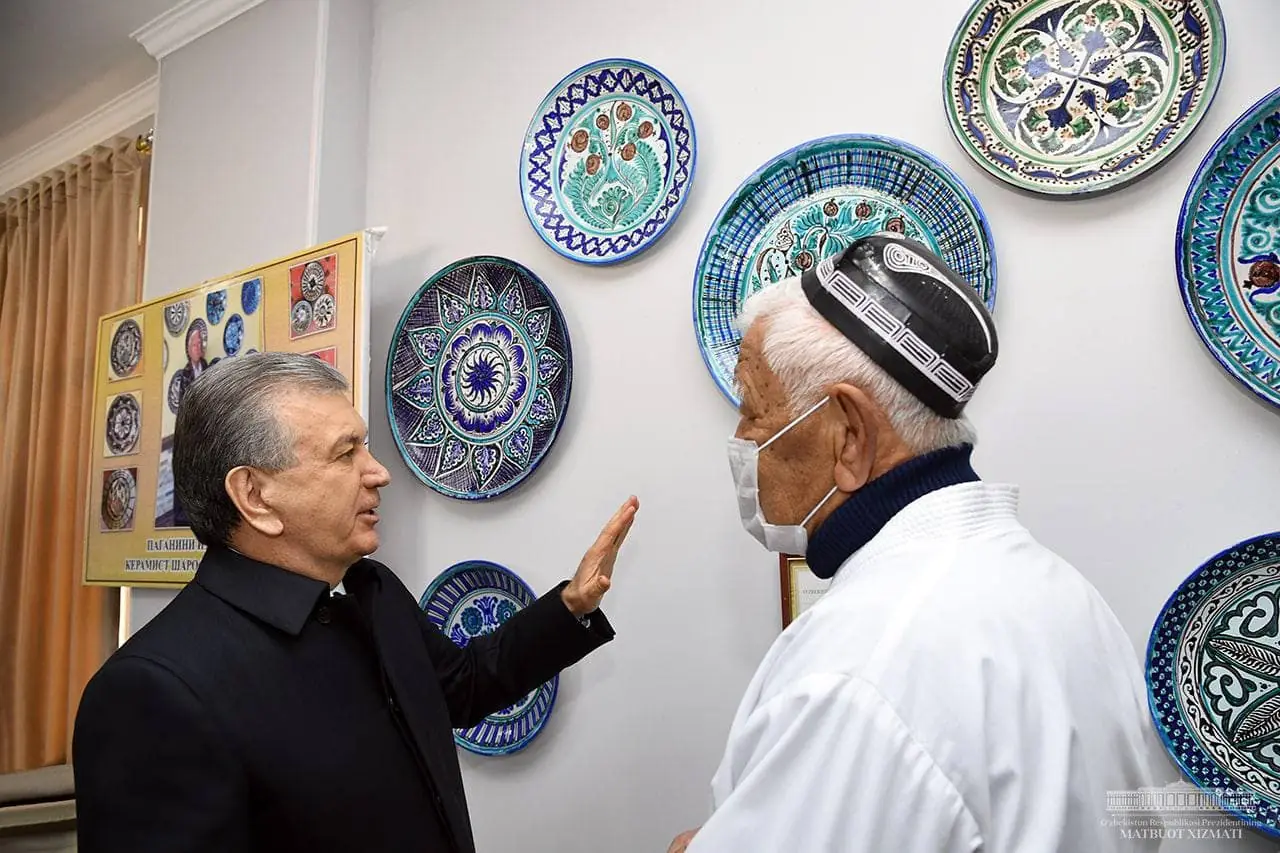
Today, the Rishtan Ceramics Center brings together dozens of working family workshops, each continuing techniques passed down over centuries, and gives visitors a rare chance to watch master potters shape, glaze, and paint pieces entirely by hand, using methods that have barely changed since the region's earliest days as a pottery-producing center.
A Journey Through History
Pottery-making in Rishtan is believed to stretch back well over a thousand years, with the town developing early as a center of ceramic production thanks to its unusually rich, workable red clay deposits, considered by many local masters to be among the finest natural pottery clay found anywhere in Central Asia.
The craft flourished for centuries along the trade routes of the Fergana Valley, with Rishtan ceramics carried by merchants across the wider region. Skills were passed down almost entirely within families, from father to son and master to apprentice, creating dynasties of potters whose workshops in some cases have operated continuously for many generations.
Central to the town's identity is "ishkor," a traditional glaze made by burning specific desert plants to ash and combining the result with quartz sand and other minerals. When applied over Rishtan's local red clay and fired, ishkor produces the town's signature palette of deep blue and turquoise, a combination that proved remarkably difficult for potters elsewhere to reproduce using different local materials.
Through the twentieth century, as industrial ceramics spread across much of the wider region, Rishtan's family workshops held onto hand-thrown, hand-painted production, and in recent decades the town has seen renewed international interest, with its potters exhibiting work abroad and training a new generation determined to keep the tradition alive.
From Clay to Color
A visit to Rishtan's workshops offers a close look at every stage of traditional ceramic production, almost all of it still carried out entirely by hand.
At the workshops, visitors can watch:
Local red clay dug, cleaned, and kneaded by hand into a workable material ready for shaping.
Potters throwing bowls, plates, and vessels on manually operated wheels, a skill honed over years of practice.
Artists hand-painting intricate floral and geometric patterns onto unfired pieces using fine brushes.
The traditional ishkor glaze prepared from burned desert plants, quartz sand, and mineral pigments.
Finished pieces fired in kilns, where the glaze transforms into Rishtan's signature deep blue and turquoise tones.
Watching a single plate move from raw clay to finished, glazed ceramic reveals just how many separate skills — digging, throwing, painting, glazing, and firing — must come together to produce one authentic piece of Rishtan pottery.
A Living Craft Tradition
Rishtan remains a working town rather than a museum piece, and the ceramics produced here are made for genuine daily and decorative use, sold both locally and exported around the world. Many master potters, known locally as "usto," run family workshops where children grow up watching, and eventually joining, their parents at the wheel.
Patterns painted on Rishtan ceramics typically draw on centuries-old motifs — pomegranates, almond blossoms, vines, and geometric medallions — each carrying symbolic meaning tied to fertility, abundance, or protection, passed down alongside the technical skills of throwing and glazing.
Because every piece is shaped and painted by hand, small variations appear naturally between items, even within the same design, giving each bowl or plate its own individual character rather than the uniformity of factory-made tableware.
Why Visit Rishtan Ceramics Center?
For anyone interested in traditional craftsmanship, Rishtan offers one of the most direct and rewarding encounters with a living Uzbek art form found anywhere in the country.
During your visit, you can:
Watch master potters throw and shape clay by hand on traditional wheels.
See artists hand-paint intricate blue and turquoise patterns before firing.
Learn about the ishkor glaze recipe unique to Rishtan's local geology.
Visit family-run workshops passed down across multiple generations of potters.
Purchase genuine handmade ceramics directly from the artisans who created them.
A Symbol of Uzbek Craftsmanship
Rishtan ceramics are widely regarded as one of the finest and most distinctive expressions of Uzbek decorative art, prized for a color palette that cannot be exactly reproduced anywhere else, owing to the specific combination of local clay and ishkor glaze found only in this part of the Fergana Valley.
By continuing to train new generations of potters in hand-thrown, hand-painted techniques, Rishtan's workshops keep a centuries-old tradition genuinely alive rather than reducing it to a museum display, offering visitors direct contact with artisans still practicing skills passed down within their own families.
Travel Tips for Visitors
Rishtan is easiest to visit as part of a wider trip through the Fergana Valley, and a little planning helps make the most of a stop at its workshops.
Allow around 1–2 hours to visit several workshops and see the full production process.
Visit on a weekday, when workshops are typically busiest with potters at work.
Bring cash if you plan to purchase ceramics directly from the artisans.
Ask about visiting a working kiln if a firing is scheduled during your visit.
Pack ceramics carefully for travel, or ask the workshop about shipping options for larger pieces.
Best Time to Visit
Spring (March–May) and autumn (September–November) offer the most comfortable weather for exploring Rishtan and the wider Fergana Valley, avoiding the region's intense summer heat.
Weekday mornings generally offer the best opportunity to see workshops in full swing, with potters throwing, painting, and preparing pieces for firing throughout the day.
Rishtan Awaits You
Step into the workshops of Rishtan and witness a craft shaped by the very earth beneath the town, passed down through generations of potters whose skill turns local clay and ash into some of the most recognizable ceramics in Central Asia.
Ready to explore Rishtan Ceramics Center? Let Lapis Lazuli Tours create an unforgettable journey through the craftsmanship and culture of the Fergana Valley. Contact our travel experts today to plan your perfect adventure.
📞 Phone: +998 97 397 37 73
📧 Email: lapislazulitours@gmail.com
The Buried Capital of the Fergana Valley
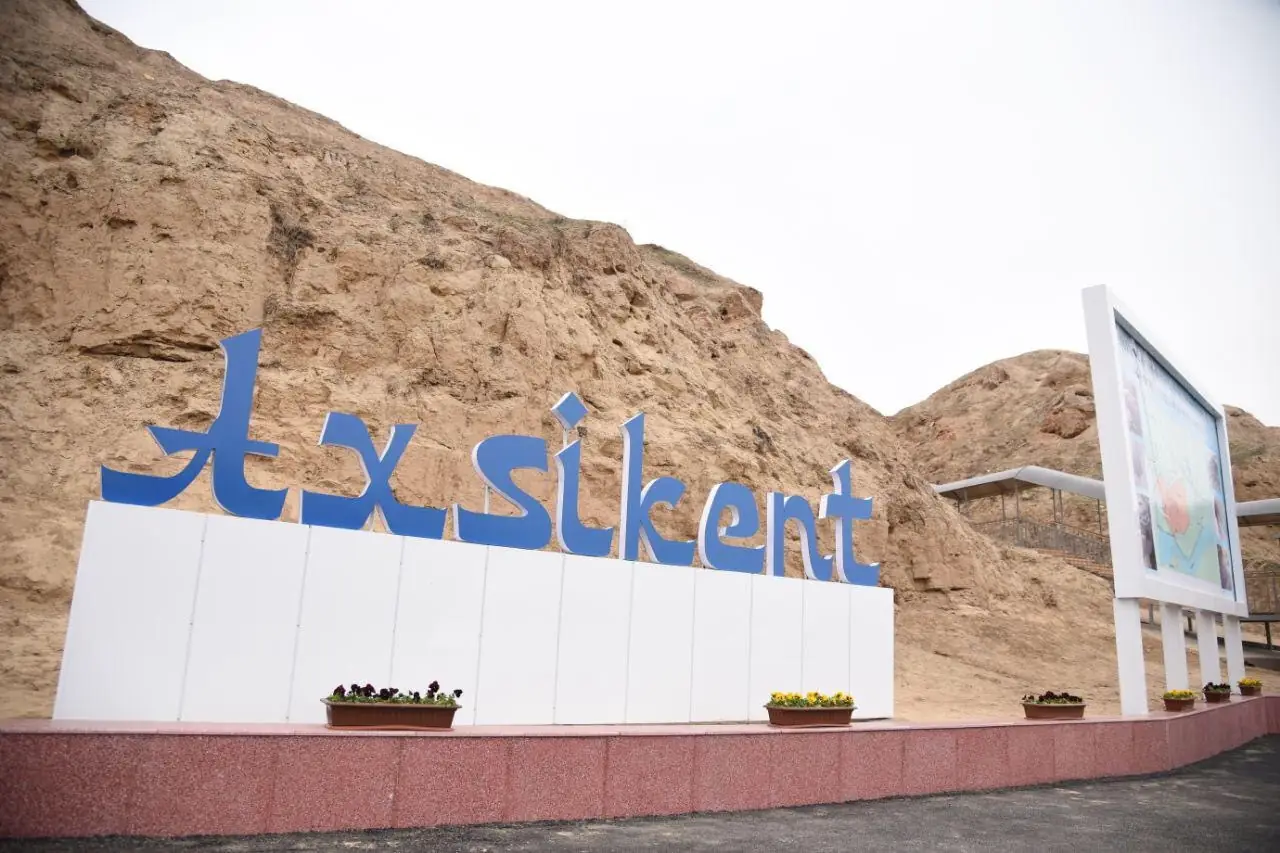
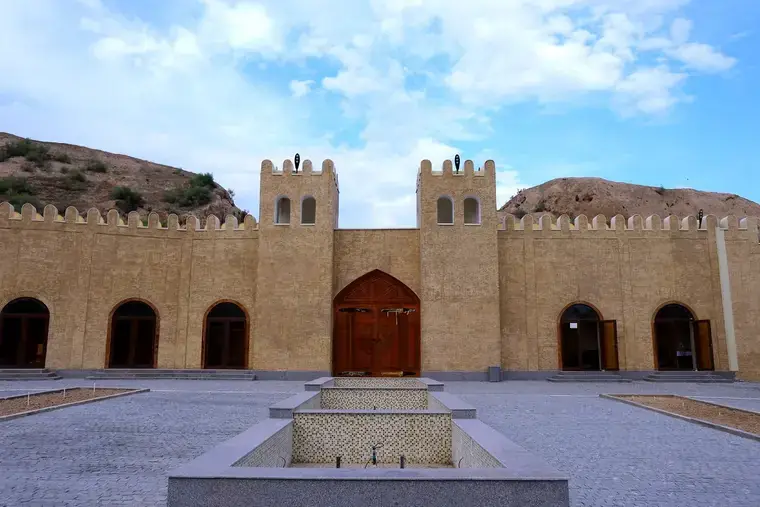
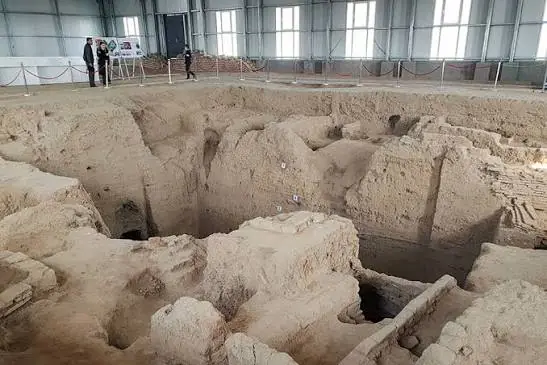
Long before Kokand rose to prominence, the city of Akhsikent stood as the political and cultural capital of the Fergana Valley, a major center of trade, scholarship, and government for more than a thousand years. Today, little remains above ground beyond earthen mounds and eroded fortification walls, yet beneath the surface lies one of the richest archaeological sites in eastern Uzbekistan.
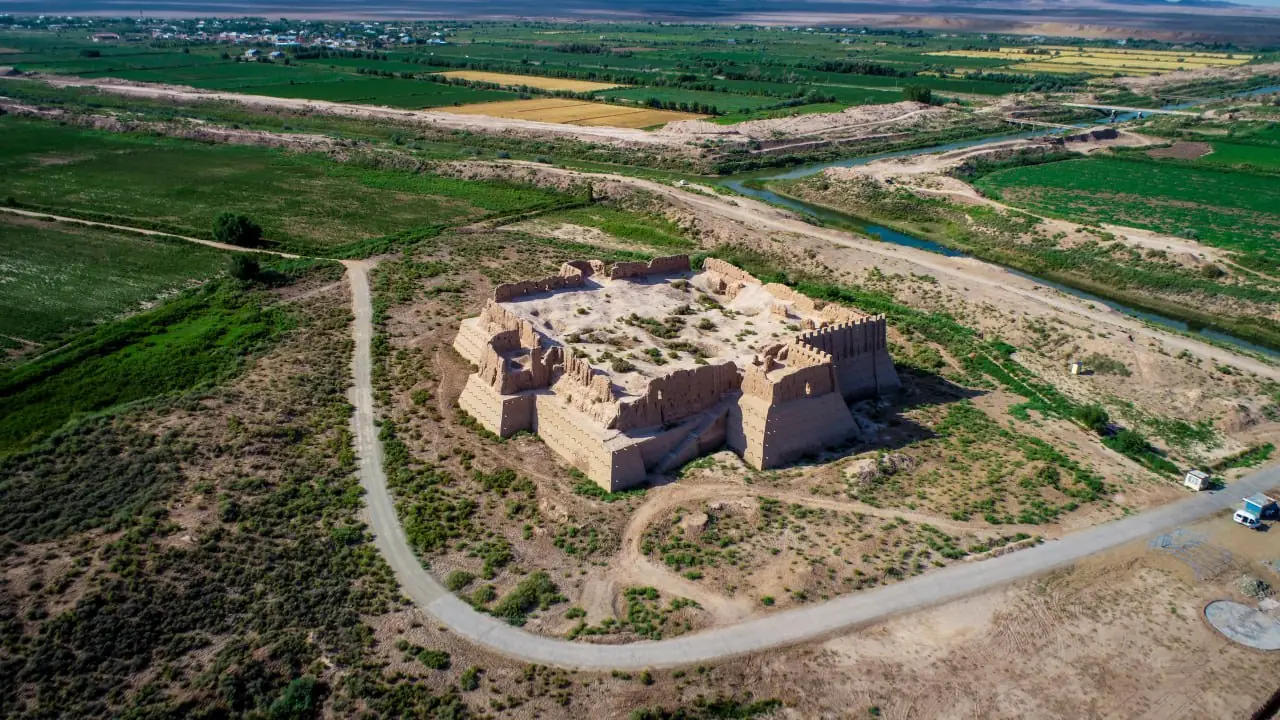
Perched on a natural terrace above the Syr Darya river not far from modern Namangan, Akhsikent's strategic position once made it one of the most important cities along the routes connecting the Fergana Valley with the rest of Central Asia. Geographers writing in the medieval Islamic world described it among the leading cities of the region, on par with Kokand and Margilan in size and significance.
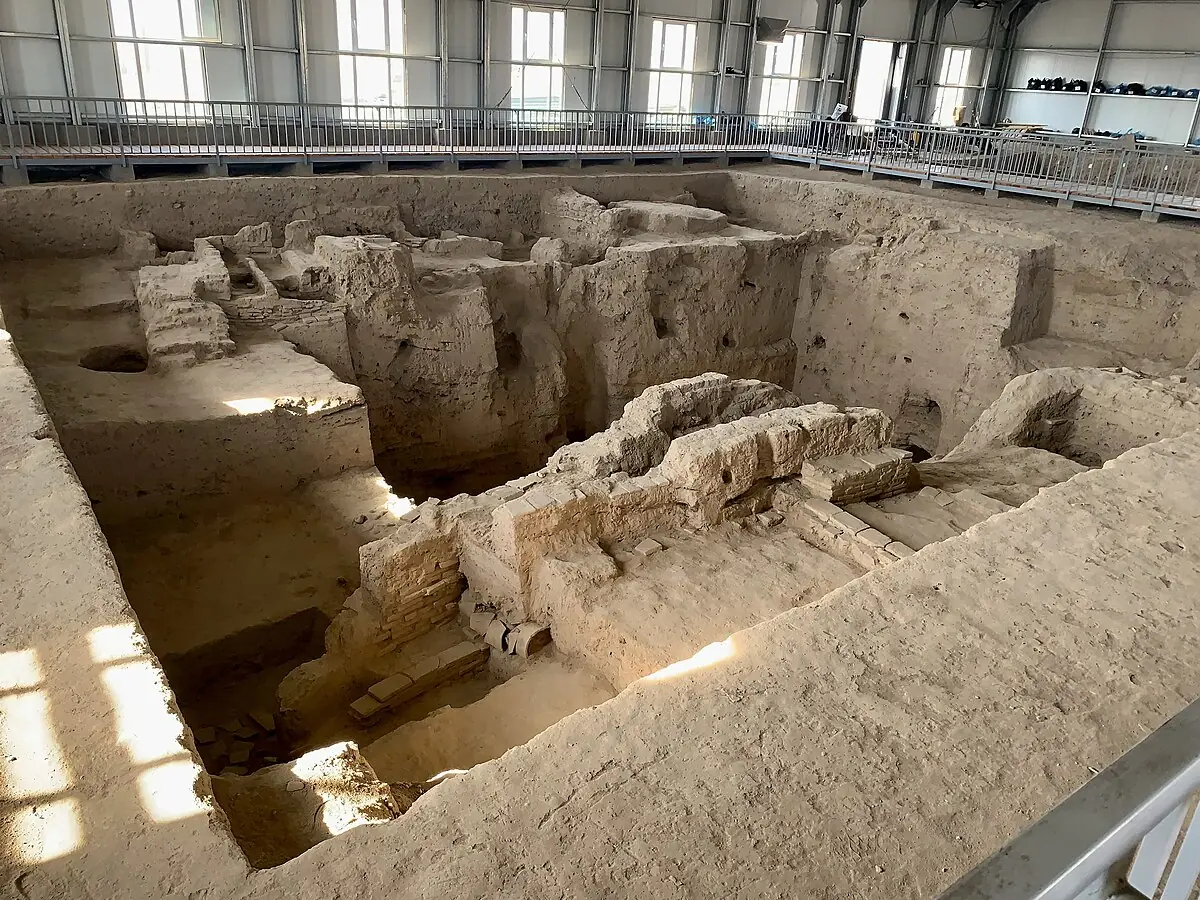
Unlike the restored monuments of Khiva, Bukhara, or Samarkand, Akhsikent offers something different: a genuine, largely unreconstructed archaeological landscape, where visitors walk across the same ground that once held palaces, mosques, markets, and city walls, now revealed only through decades of careful excavation.
A Journey Through History
Settlement at Akhsikent is believed to date back over two thousand years, with the city developing into a major urban center by the early medieval period. By the 9th and 10th centuries, under the Samanid dynasty, Akhsikent had become the recognized capital of Fergana, described by contemporary Arab and Persian geographers as a large, well-fortified city with its own citadel, inner town, and extensive suburbs.
The city's fortunes shifted dramatically in the 13th century, when Mongol forces swept through Central Asia, and much of Akhsikent was destroyed in the invasions that devastated many of the region's great cities. Despite this, the site was rebuilt and continued to function as an important regional center in the centuries that followed, adapting to new rulers as the Fergana Valley passed through the hands of successive dynasties.
Akhsikent's final decline came in the early 17th century, when a severe earthquake struck the region and devastated the city beyond practical repair. Rather than rebuilding on the same spot, the local population gradually relocated, and the political center of the Fergana Valley eventually shifted to Kokand, leaving Akhsikent's ruins to be slowly buried by time and shifting soil.
Archaeological work at the site began in earnest in the Soviet period and has continued into recent decades, gradually uncovering the layout of the ancient city, its fortifications, and artifacts spanning many centuries of continuous habitation, turning Akhsikent into one of the most extensively studied ancient urban sites in the Fergana Valley.
Reading a City Beneath the Earth
Rather than standing monuments, Akhsikent is best understood through its layout — the shapes of ancient walls, mounds, and terraces that still trace the outline of a once-great city across the landscape.
At the site, visitors can discover:
The remains of the ark, or citadel, which once held the city's administrative and military heart.
Traces of the shahristan, the fortified inner city where much of Akhsikent's population once lived.
Sections of the rabad, the outer suburbs that once housed markets, workshops, and additional neighborhoods.
Eroded but still visible sections of the city's defensive earthen walls and moats.
Excavation areas where archaeologists continue to uncover ceramics, coins, and building foundations.
Piecing these elements together, visitors can trace the classic layout of a medieval Central Asian city, built in concentric zones of increasing openness from a fortified citadel at its core to sprawling outer suburbs.
An Archaeological Treasure Trove
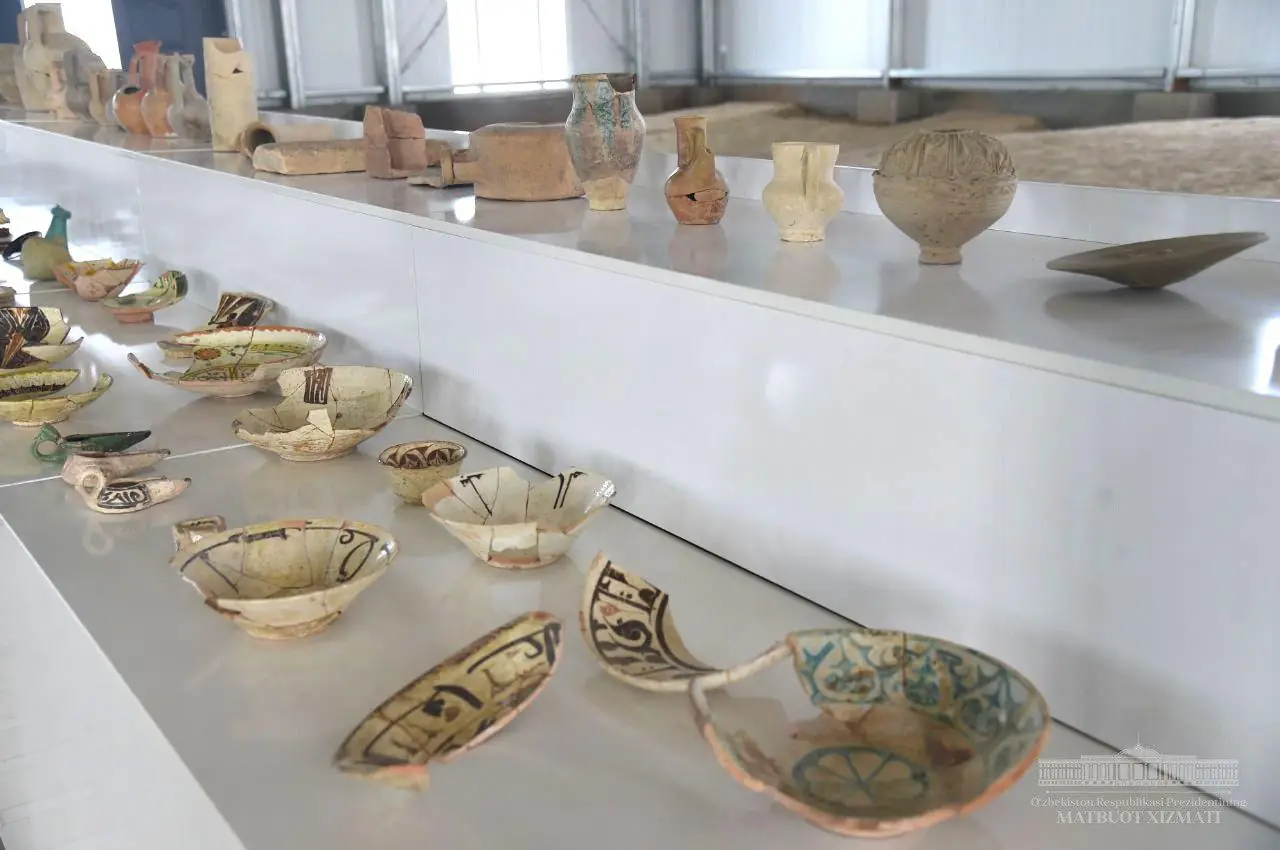
Excavations at Akhsikent have uncovered artifacts spanning well over a thousand years of continuous urban life, including pottery, coins, tools, and architectural fragments that help historians piece together the daily life, trade networks, and craftsmanship of the medieval Fergana Valley.
Because the city was never rebuilt after its 17th-century destruction, its ruins were largely left undisturbed by later construction, preserving layers of occupation from different historical periods in a way that is rare among the region's other ancient sites, many of which were continuously built over by later cities.
A number of artifacts recovered from Akhsikent are now displayed in regional museums, including ceramics decorated in styles distinct to the Fergana Valley, offering a window into the artistic traditions of a city that once rivaled the better-known centers of Central Asia.
Why Visit Akhsikent?
Akhsikent offers a very different experience from Uzbekistan's restored monuments, appealing to travelers drawn to genuine archaeology and the quieter, more contemplative side of Central Asian history.
During your visit, you can:
Walk across the site of a former capital city of the Fergana Valley.
Trace the outline of ancient city walls, citadel mounds, and fortifications.
Learn how archaeologists piece together the history of a buried medieval city.
Enjoy sweeping views over the Syr Darya river valley from the site's elevated terrace.
Experience a quieter, less-visited counterpart to the Fergana Valley's better-known landmarks.
A Forgotten Capital Rediscovered
Akhsikent is protected as an archaeological reserve and remains an active focus of research for historians studying the medieval Fergana Valley, offering evidence of urban life predating many of Uzbekistan's more famous surviving monuments.
As the valley's political center for centuries before Kokand's rise, Akhsikent represents a missing chapter in the popular story of the Fergana Valley, one that archaeology continues to piece back together layer by layer.
Travel Tips for Visitors
As an open-air archaeological site rather than a restored monument, Akhsikent rewards visitors who come prepared for a more exploratory kind of visit.
Wear sturdy shoes suitable for walking across uneven, open terrain.
Bring water and sun protection, as much of the site has little shade.
Hire a local guide or historian if possible, since the site's layout is easier to appreciate with context.
Allow around 1–1.5 hours to walk the main areas of the former city.
Combine your visit with nearby Namangan and its regional museum collections.
Best Time to Visit
Spring (March–May) and autumn (September–November) offer the most comfortable conditions for exploring Akhsikent's open, largely unshaded terrain, avoiding the intense summer heat of the Fergana Valley.
Morning visits are particularly rewarding, when cooler temperatures and soft light make it easier to make out the subtle contours of ancient walls and mounds across the landscape.
The Fergana Valley Awaits You
Walk the quiet earthen mounds of Akhsikent and imagine the bustling capital that once stood here, a city of palaces, markets, and mosques whose story now survives mainly in the patient work of archaeologists uncovering it, layer by layer, from beneath the Fergana Valley soil.
Ready to explore Akhsikent Archaeological Site? Let Lapis Lazuli Tours create an unforgettable journey through the history and heritage of the Fergana Valley. Contact our travel experts today to plan your perfect adventure.
📞 Phone: +998 97 397 37 73
📧 Email: lapislazulitours@gmail.com
The Great Friday Mosque of the Kokand Khanate
At the heart of Kokand stands the Jami Mosque, or Friday Mosque, once the principal congregational mosque of the Kokand Khanate and still one of the largest historic mosques anywhere in Central Asia. Built to hold thousands of worshippers at once for Friday prayers, its scale alone set it apart from the smaller neighborhood mosques scattered throughout the city.
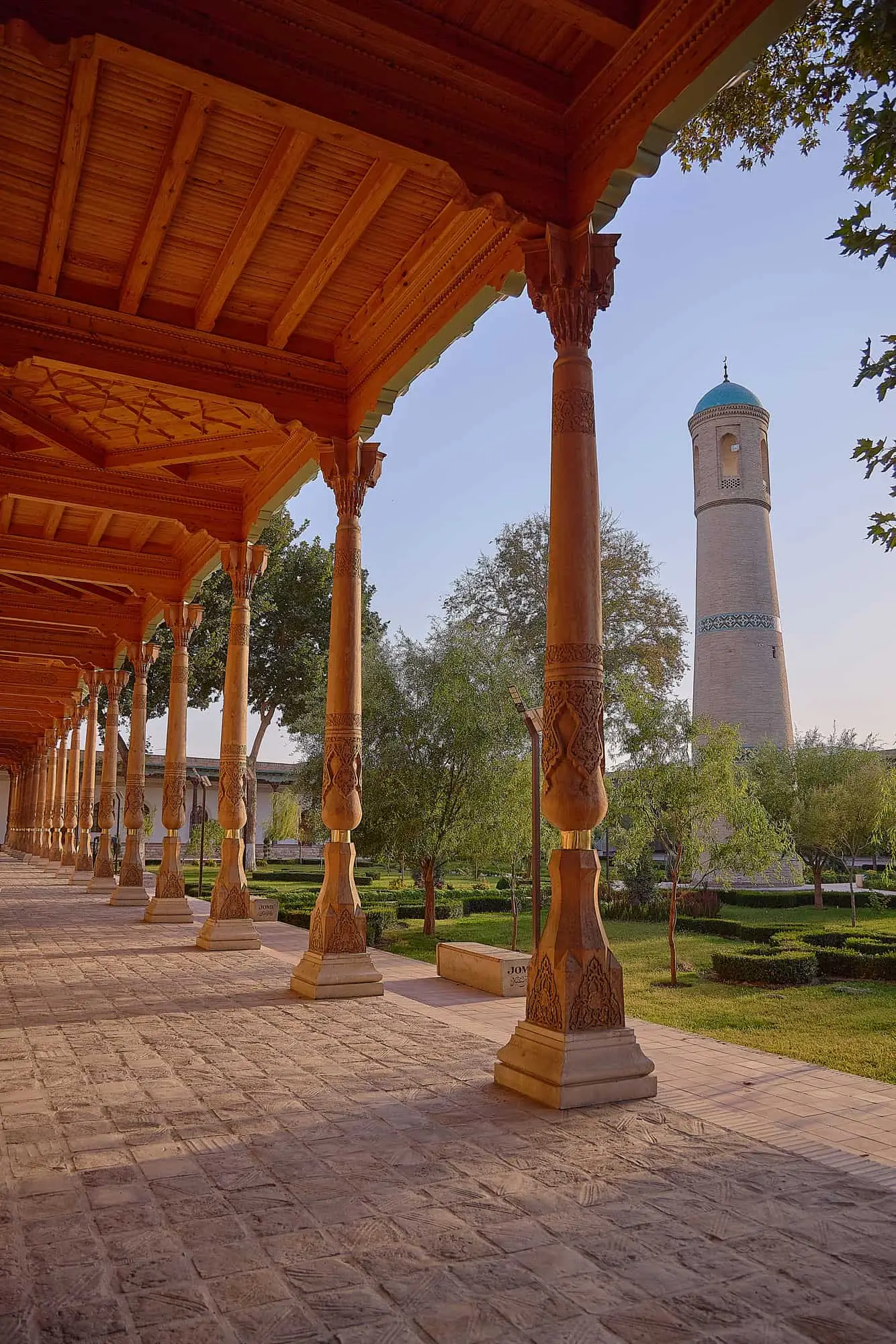
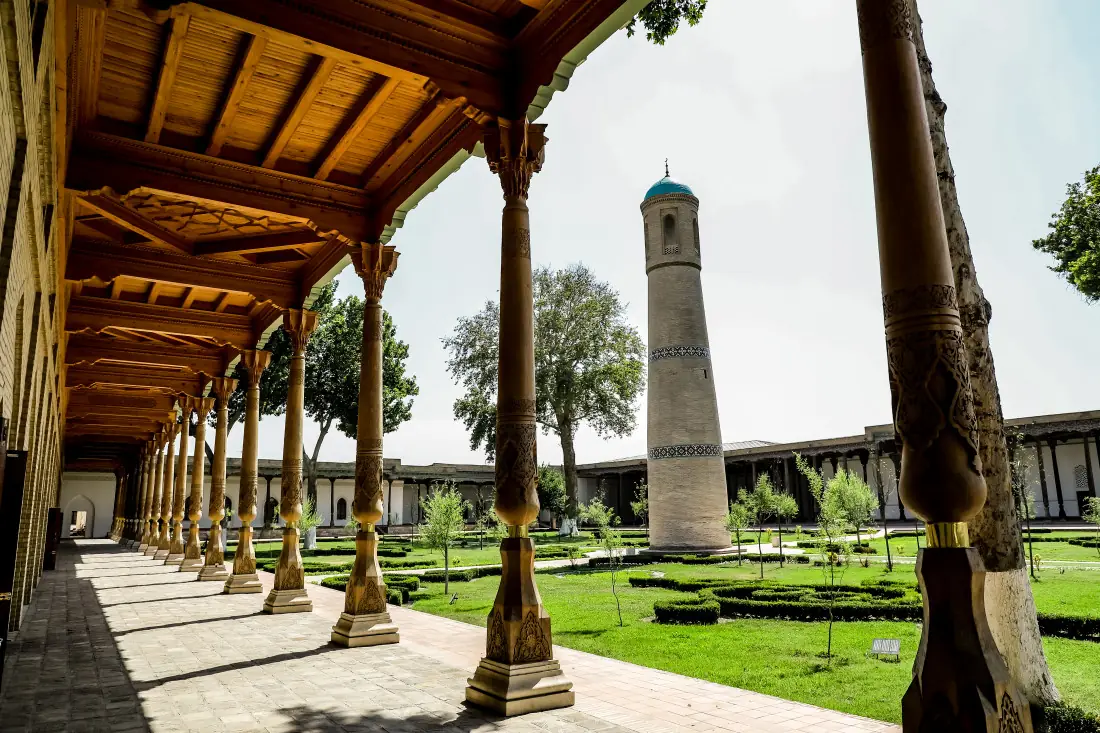
The mosque's most striking feature is its immense columned gallery, or aivan, stretching along the length of the courtyard and supported by dozens of intricately carved wooden columns, each one individually shaped by hand. Few surviving structures in the Fergana Valley convey the scale of Kokand's power during the height of the Khanate as vividly as this covered hall.
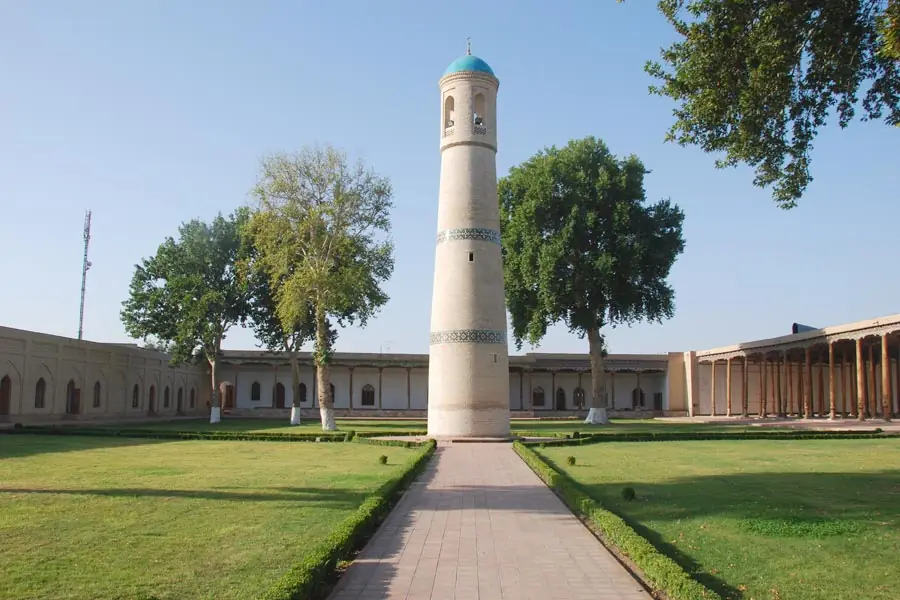
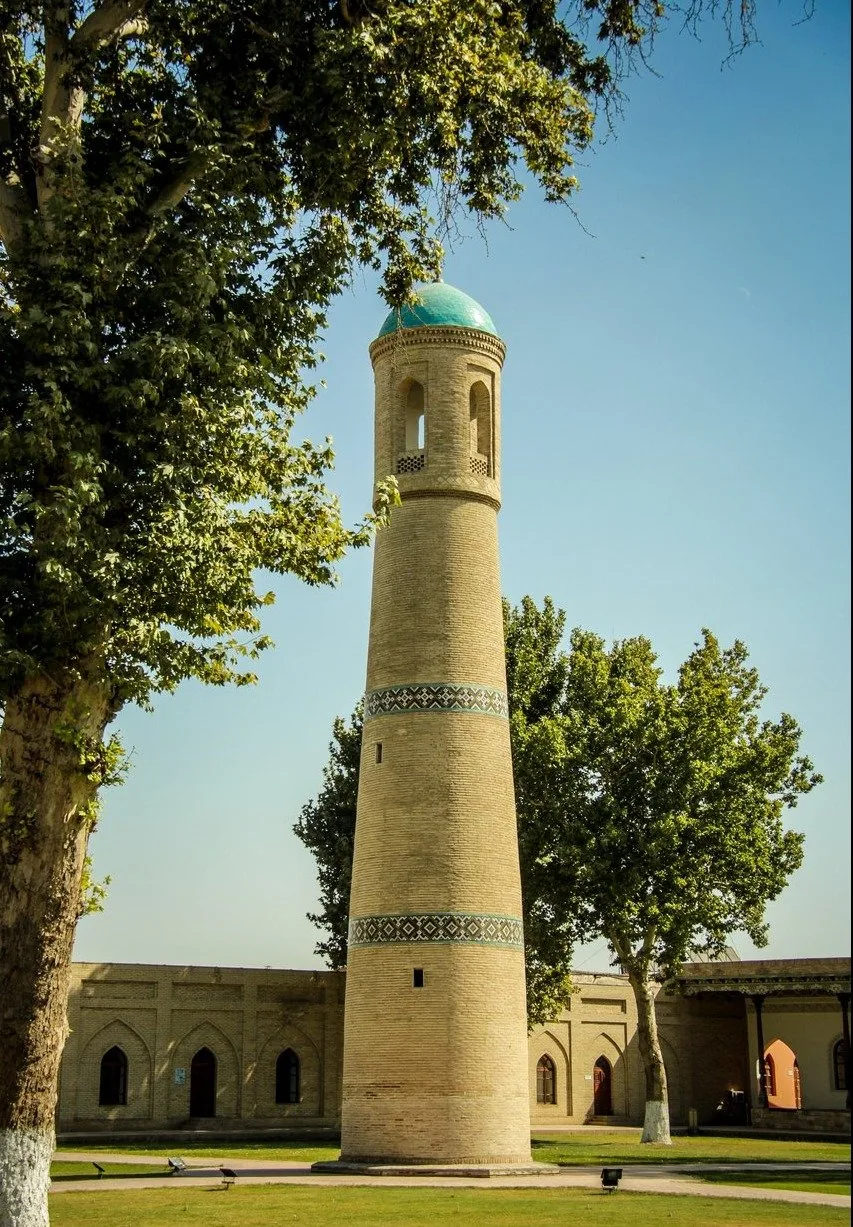
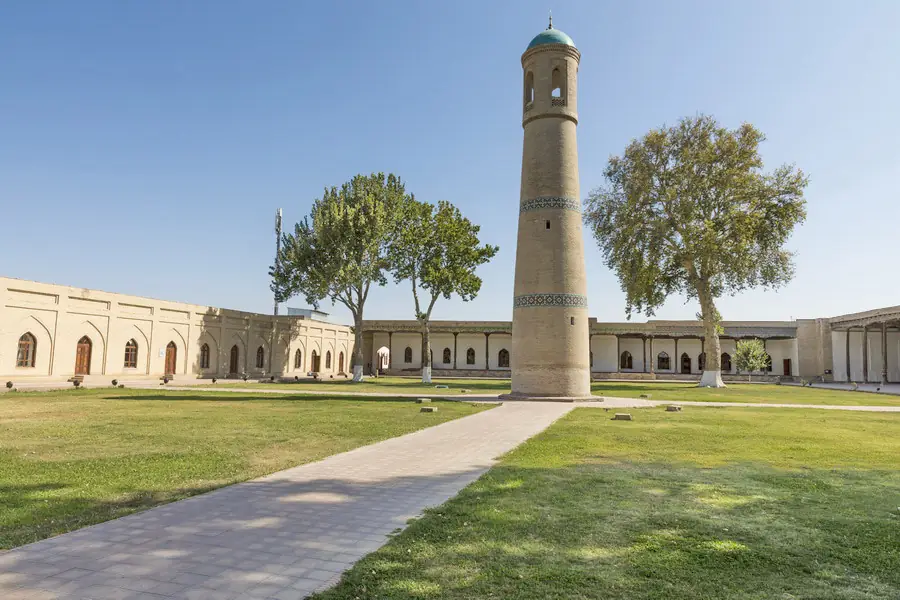
Rising beside the mosque is a slender minaret that has become one of the unofficial symbols of Kokand itself, visible above the surrounding rooftops and long used as a landmark for orienting oneself within the old city. Together, the mosque and minaret form one of the defining architectural pairings of Fergana Valley religious architecture.
A Journey Through History
The mosque was commissioned in the early 19th century by Umar Khan, the ruler of the Kokand Khanate, as part of a broader wave of religious and civic construction that transformed Kokand into one of the great cities of Central Asia during this period. Its completion is generally dated to around 1812, making it roughly contemporary with several of the city's other major monuments.
As the Khanate's central Friday mosque, the building held particular religious and civic importance, serving as the main gathering place for the city's Muslim population during the week's principal communal prayer and functioning as a focal point for public religious life under Kokand's rulers.
Like many religious buildings across Central Asia, the mosque's role changed considerably during the Soviet period, when restrictions on religious practice led to many mosques being closed, repurposed, or left to decline. The Jami Mosque was no exception, and for a time its grounds were used for purposes unrelated to worship.
Following restoration efforts in more recent decades, the mosque has been returned to active religious and cultural use, and today it stands as one of Kokand's most significant historic buildings, drawing both worshippers and visitors interested in Fergana Valley architecture.
An Architectural Landmark
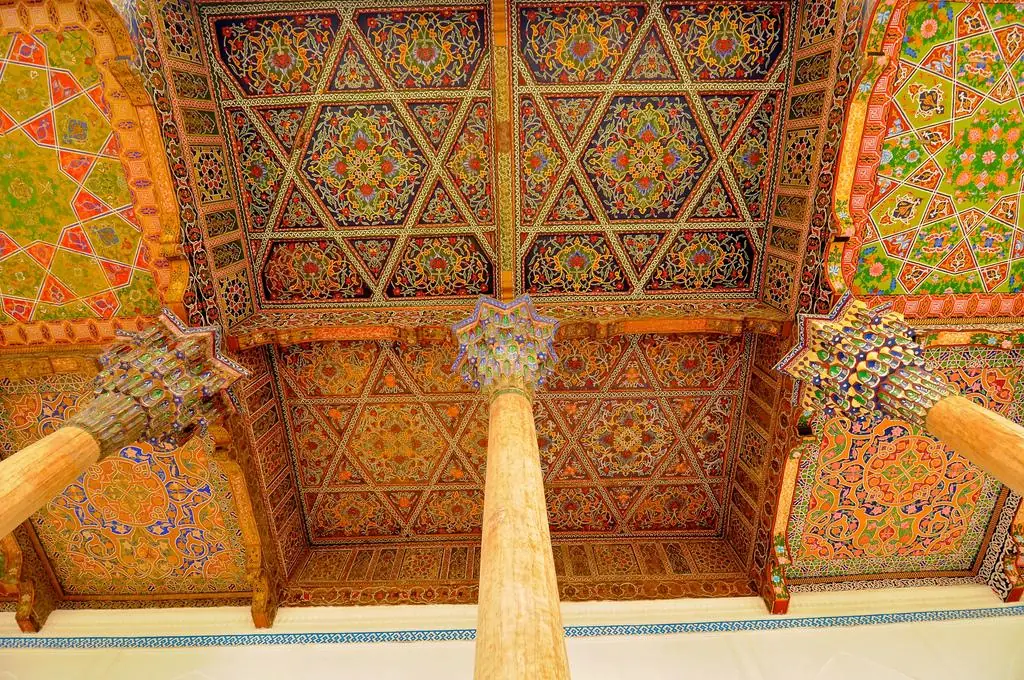
The mosque's defining feature is its vast aivan, a long covered hall open along one side to the courtyard, supported by row after row of tall wooden columns. Each column was carved individually by hand, and while they follow a shared decorative language, subtle variations between them reveal the work of different craftsmen over the course of construction.
The ceiling of the aivan is painted in intricate geometric and floral patterns, a technique typical of Fergana Valley religious architecture, adding a layer of color and detail above the more restrained wooden structure of the columns themselves. Sunlight filtering through the open colonnade creates changing patterns of light and shadow across the hall throughout the day.
The adjoining minaret rises well above the surrounding rooftops, built primarily from fired brick in a tapering cylindrical form typical of Fergana Valley minarets. Historically, it served the practical purpose of calling the faithful to prayer from a height visible across much of the old city, in addition to functioning as a informal lookout point.
Despite the mosque's overall scale, its decorative details remain remarkably fine, with carved wood, painted ceilings, and brickwork all reflecting the same tradition of craftsmanship found in Kokand's other major monuments, including the nearby Khudayar Khan Palace.
A Center of Community Life
Beyond its architecture, the Jami Mosque has long functioned as a gathering point for Kokand's community, particularly during Friday prayers, when its expansive courtyard and covered aivan were designed to accommodate large numbers of worshippers at once.
At the mosque complex, visitors can discover:
The main prayer hall, historically used for the principal Friday congregational prayer.
The columned aivan, one of the largest covered galleries of its kind in the Fergana Valley.
The adjoining minaret, historically used to call the community to prayer.
A spacious open courtyard that once accommodated the overflow of worshippers during major religious occasions.
Together, these spaces reveal the mosque's role not simply as a place of prayer, but as one of the central civic institutions of the Kokand Khanate, tying together religious life and the wider rhythms of the city.
Why Visit Jami Mosque?
As one of the largest and most architecturally significant mosques in the Fergana Valley, the Jami Mosque offers a striking counterpart to Kokand's secular monuments, and pairs naturally with a visit to the nearby Khudayar Khan Palace.
During your visit, you can:
Walk through the mosque's monumental columned aivan, among the largest of its kind in the region.
Admire the individually hand-carved wooden columns supporting the covered gallery.
See the painted ceiling patterns typical of Fergana Valley religious architecture.
View Kokand's skyline from beneath the mosque's tall, tapering minaret.
Learn about the mosque's role in the religious and civic life of the Kokand Khanate.
A Symbol of Kokand's Religious Heritage
The Jami Mosque is recognized as one of Uzbekistan's important historical and architectural monuments, valued both for its scale and for the craftsmanship of its columned aivan, considered among the finest examples of Fergana Valley religious woodwork.
As the former central mosque of an independent Central Asian khanate, it remains closely tied to Kokand's civic identity, standing alongside the Khudayar Khan Palace as one of the two great architectural symbols of the city's 19th-century golden age.
Travel Tips for Visitors
As an active place of worship as well as a historic monument, the Jami Mosque rewards a respectful, unhurried visit.
Dress modestly, covering shoulders and knees, as this remains a functioning mosque.
Remove your shoes before entering covered prayer areas.
Allow around 30–45 minutes to see the aivan, courtyard, and minaret.
Visit outside of prayer times if you wish to explore at a leisurely pace.
Combine your visit with the nearby Khudayar Khan Palace, just a short walk away.
Best Time to Visit
Spring (March–May) and autumn (September–November) offer the most comfortable conditions for exploring Kokand and the Jami Mosque, avoiding the intense heat of the Fergana Valley summer.
Morning visits are particularly rewarding, when soft light filters through the columned aivan and the courtyard is generally quieter than later in the day.
Kokand Awaits You
Step beneath the towering wooden columns of the Jami Mosque and experience the scale of religious life under the Kokand Khanate, in a building that has served the city's community for more than two centuries.
Ready to explore the Jami Mosque of Kokand? Let Lapis Lazuli Tours create an unforgettable journey through the history and heritage of Kokand and the Fergana Valley. Contact our travel experts today to plan your perfect adventure.
📞 Phone: +998 97 397 37 73
📧 Email: lapislazulitours@gmail.com