



Bukhara
Welcome to Bukhara
Discover the Sacred City of the Silk Road, where centuries of history, remarkable Islamic architecture, and authentic Uzbek culture come together in one unforgettable destination. Explore the legendary Ark Fortress, Poi Kalyan Complex, Lyabi-Hauz, Chor Minor, Samanid Mausoleum, and many other architectural treasures that have made Bukhara one of Central Asia's most celebrated historic cities. Your complete travel guide to Bukhara.
Located in southwestern Uzbekistan, Bukhara is one of the oldest continuously inhabited cities in the world, with a history spanning more than 2,500 years. For centuries, it served as one of the most influential religious, cultural, and commercial centers along the legendary Silk Road. Its beautifully preserved old town, magnificent madrasas, ancient mosques, bustling trading domes, and peaceful courtyards have earned Bukhara recognition as a UNESCO World Heritage Site and one of the jewels of Islamic civilization.
A journey through Bukhara is much more than sightseeing—it's an opportunity to step into a living museum where every street, monument, and marketplace tells the story of merchants, scholars, craftsmen, and rulers who shaped the city's extraordinary past. Today, Bukhara perfectly blends its timeless historical atmosphere with modern hospitality, offering comfortable hotels, traditional Uzbek cuisine, welcoming local guides, and excellent tourist facilities. Whether you are passionate about history, architecture, photography, or cultural exploration, Bukhara promises an unforgettable experience in one of the world's greatest historic cities.
Basic Information
Travel Information
Why Visit Bukhara?
Bukhara offers an unforgettable journey through more than two thousand years of history, where every street, mosque, madrasa, and marketplace reflects the rich cultural heritage of the Silk Road. Travelers can admire magnificent Islamic architecture, experience authentic Uzbek traditions, explore vibrant bazaars, and discover one of the best-preserved medieval cities in Central Asia.
As one of the oldest cities in Uzbekistan, Bukhara has served for centuries as a major center of trade, religion, education, and craftsmanship. Today, its UNESCO-listed historic center, remarkable monuments, welcoming atmosphere, and outstanding hospitality make it one of the country's most fascinating destinations for history lovers, photographers, and cultural explorers alike.
What Makes Bukhara Truly Special
One of the oldest and best-preserved Silk Road cities in Central Asia.
A UNESCO World Heritage Site renowned for its remarkably preserved Old City.
Home to magnificent landmarks such as the Ark Fortress, Poi Kalyan Complex, and Lyabi-Hauz.
A treasure of Islamic architecture, ancient madrasas, historic mosques, and traditional trading domes.
Rich in traditional craftsmanship, including silk weaving, embroidery, ceramics, and metalwork.
Famous for its authentic Uzbek cuisine, warm hospitality, and timeless atmosphere that brings history to life.
History of Bukhara
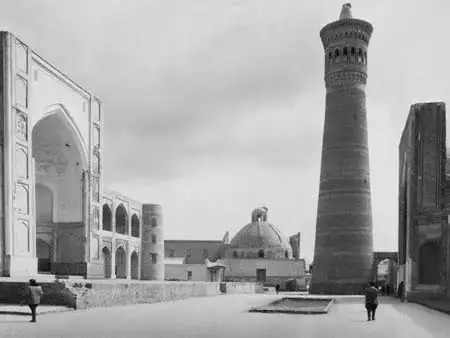
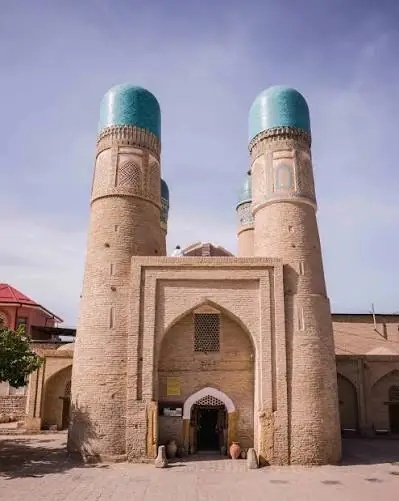
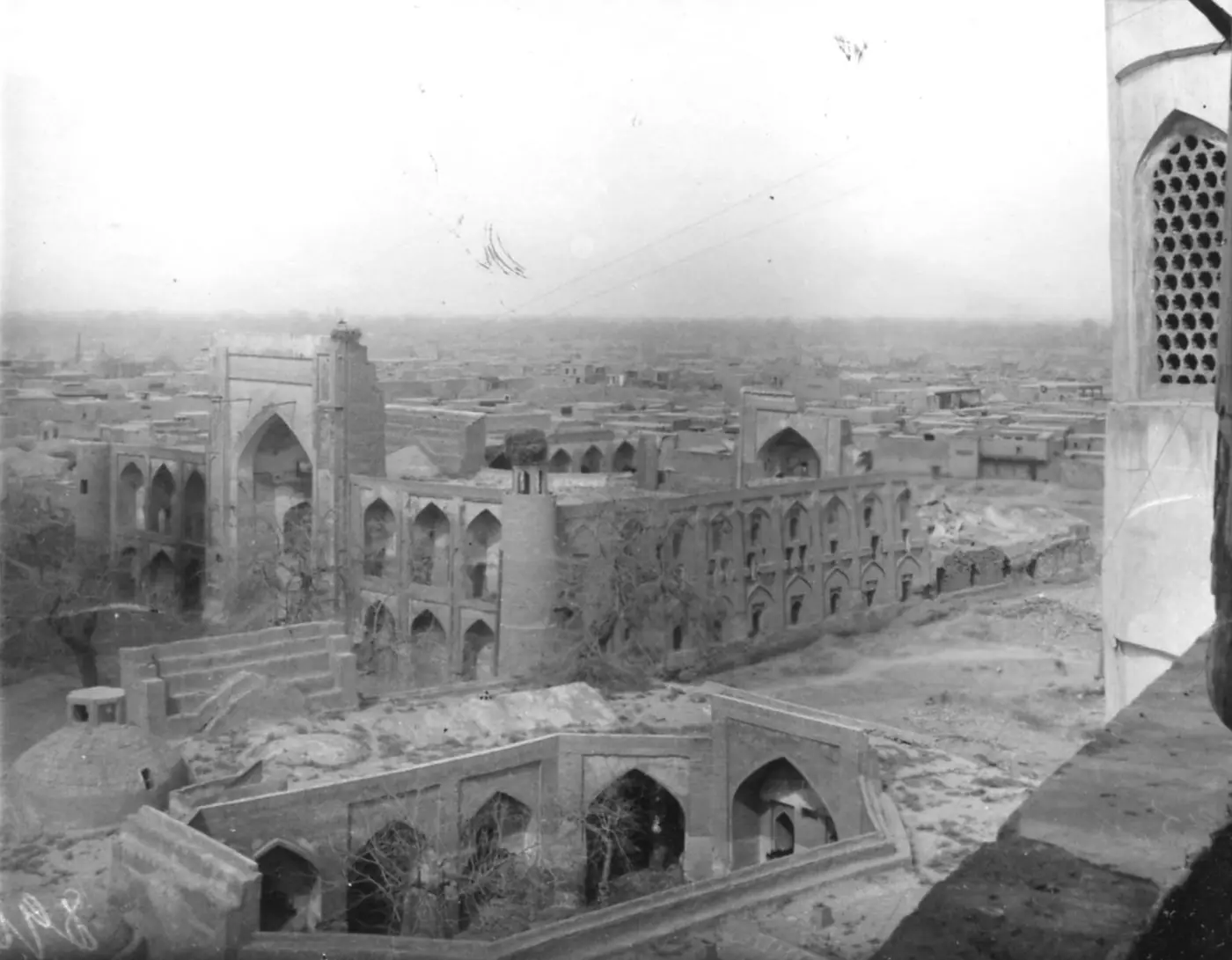
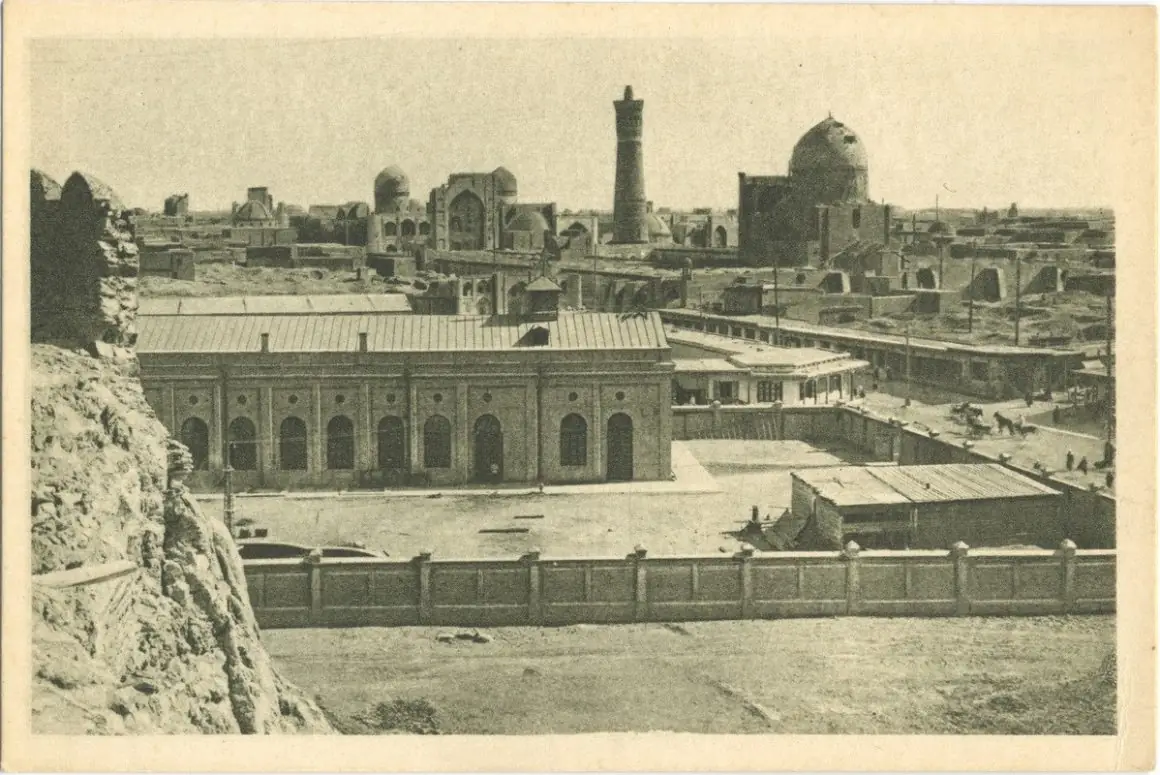
The history of Bukhara stretches back more than 2,500 years, making it one of the oldest continuously inhabited cities in Central Asia. Since ancient times, the city has served as a major center of trade, culture, and religion. Located along the legendary Silk Road, Bukhara flourished as a crossroads where merchants, scholars, and travelers from East and West exchanged goods, ideas, and traditions.
During the Middle Ages, Bukhara became one of the greatest centers of Islamic civilization. Under the Samanid, Karakhanid, and Shaybanid dynasties, magnificent mosques, madrasas, caravanserais, and palaces were constructed, transforming the city into a renowned hub of education, architecture, and commerce. Many of the Islamic world's greatest scholars, including Imam al-Bukhari and Avicenna (Ibn Sina), are closely associated with Bukhara's rich intellectual heritage, earning the city the title "The Noble Bukhara."
Today, Bukhara's remarkably preserved Old City is recognized as a UNESCO World Heritage Site and remains one of Uzbekistan's most treasured destinations. Its centuries-old monuments, vibrant traditional bazaars, and authentic atmosphere allow visitors to experience the timeless spirit of the Silk Road while enjoying the warm hospitality and rich cultural heritage of modern Uzbekistan.
Geographical Location of Bukhara
Bukhara is located in the southwestern part of Uzbekistan, on the edge of the Kyzylkum Desert. For centuries, its strategic position along the legendary Silk Road made it one of Central Asia's most important centers of trade, culture, and Islamic scholarship. The city lies approximately 225 meters (738 feet) above sea level and enjoys a warm continental climate with long, sunny summers and mild winters.
Bukhara is easily accessible from Tashkent and other major cities by modern high-speed trains, domestic rail services, and regular flights. Bukhara International Airport provides convenient connections for both domestic and international travelers, making the city an excellent starting point for exploring the rich cultural heritage of western Uzbekistan.
Traditional Cuisine of Bukhara
Bukhara is celebrated for its rich culinary traditions, shaped by centuries of Silk Road influences. Visitors can enjoy the famous Bukhara Plov, flavorful shashlik, freshly baked tandoor bread, crispy samsa, delicate manti, and traditional dishes such as Shurpa and Dimlama. Dining in Bukhara's historic teahouses and traditional restaurants offers not only authentic Uzbek flavors but also a warm atmosphere that reflects the city's legendary hospitality.






Best Time to Visit
The best time to visit Bukhara is during the spring (March–May) and autumn (September–November), when the weather is warm, comfortable, and ideal for sightseeing. These seasons provide the perfect opportunity to stroll through Bukhara's ancient streets, admire its magnificent Islamic architecture, and experience the city's unique atmosphere without the intense summer heat.
Bukhara is easily accessible by domestic and international flights through Bukhara International Airport. The city is also connected to Tashkent, Samarkand, and other major destinations by modern high-speed trains and an extensive railway network. Well-maintained highways make traveling to Bukhara convenient from every region of Uzbekistan.
Bukhara Awaits You
Step into one of the world's oldest living cities, where centuries of history, magnificent Islamic architecture, and the timeless spirit of the Silk Road come together. Wander through ancient madrasas, bustling traditional bazaars, majestic fortresses, and peaceful courtyards while experiencing the genuine warmth of Uzbek hospitality. Every corner of Bukhara tells a fascinating story waiting to be discovered.
Ready to explore Bukhara? Let Lapis Lazuli Tours create an unforgettable journey through this remarkable UNESCO World Heritage city. Contact our travel specialists today and begin planning your perfect adventure.
📞 Phone: +998 97 397 37 73
📧 Email: lapislazulitours@gmail.com
The Symbol of Bukhara and a Timeless Jewel of the Silk Road
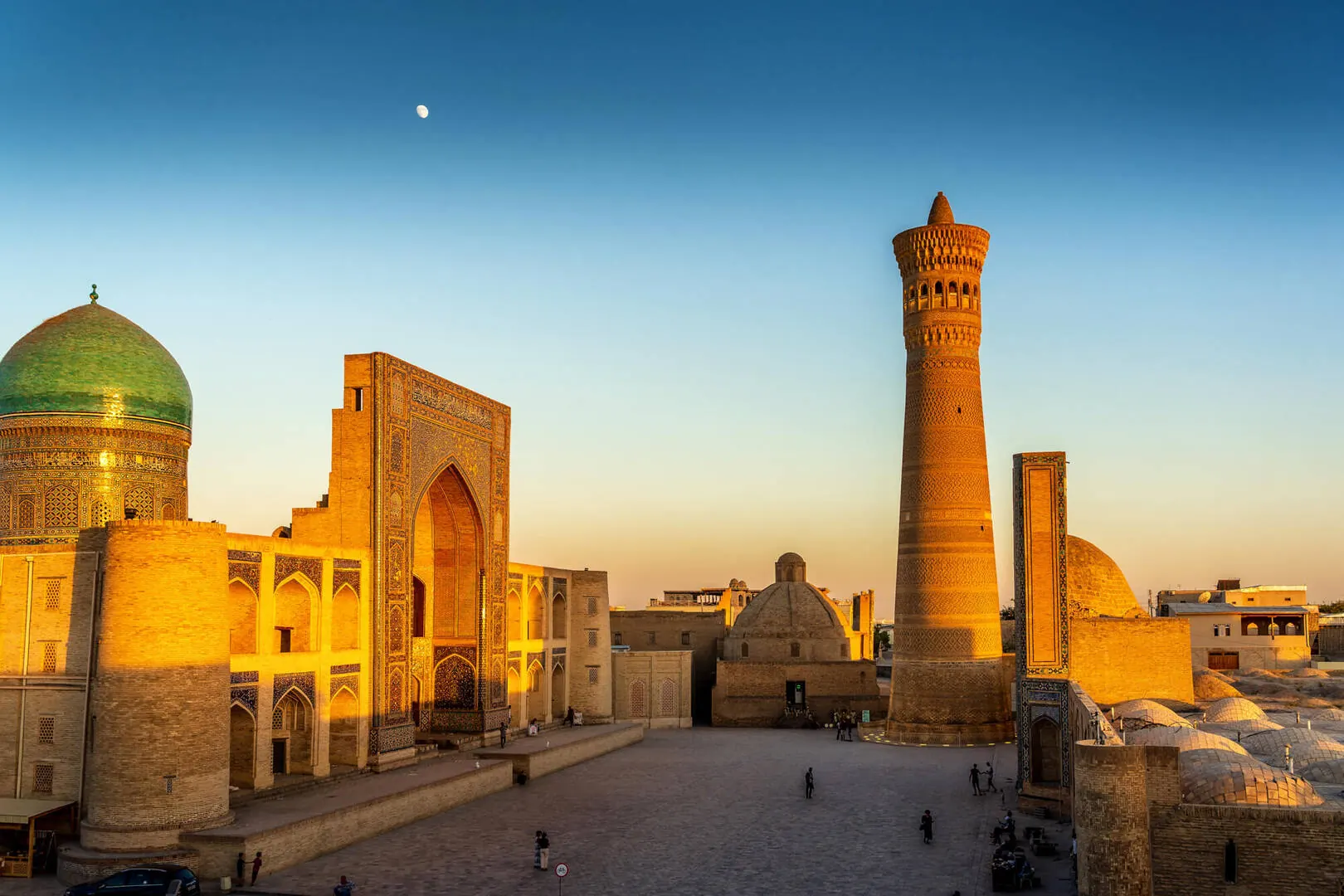
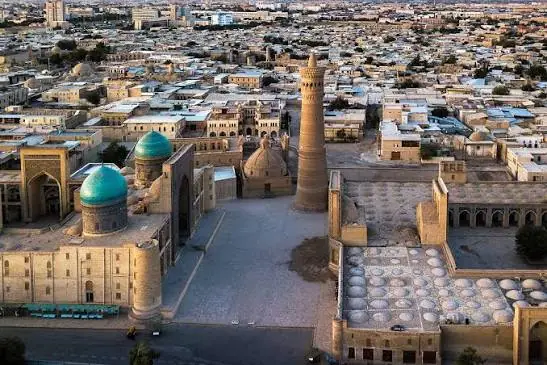
The Poi Kalon Architectural Complex is the most iconic historical landmark of Bukhara and one of Uzbekistan's greatest architectural masterpieces. For centuries, this magnificent ensemble served as one of the principal centers of the Great Silk Road, where religion, education, culture, and commerce flourished together. Today, with its towering minaret, majestic mosque, and historic madrasa, Poi Kalon continues to captivate visitors from every corner of the world.
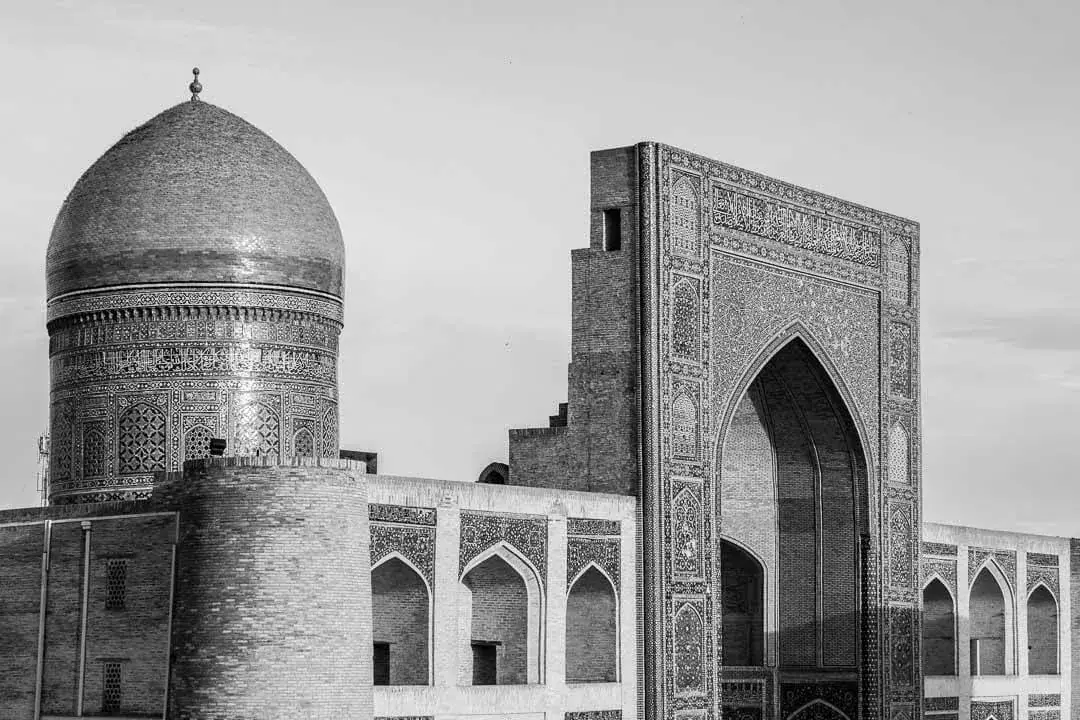
The name "Poi Kalon" comes from Persian and means "The Foot of the Great Minaret." The complex consists of three extraordinary monuments—the Kalon Minaret, the Kalon Mosque, and the Mir-i-Arab Madrasa—which together form the most recognizable architectural symbol of Bukhara. Each structure represents a remarkable chapter in the city's rich religious, cultural, and architectural heritage.
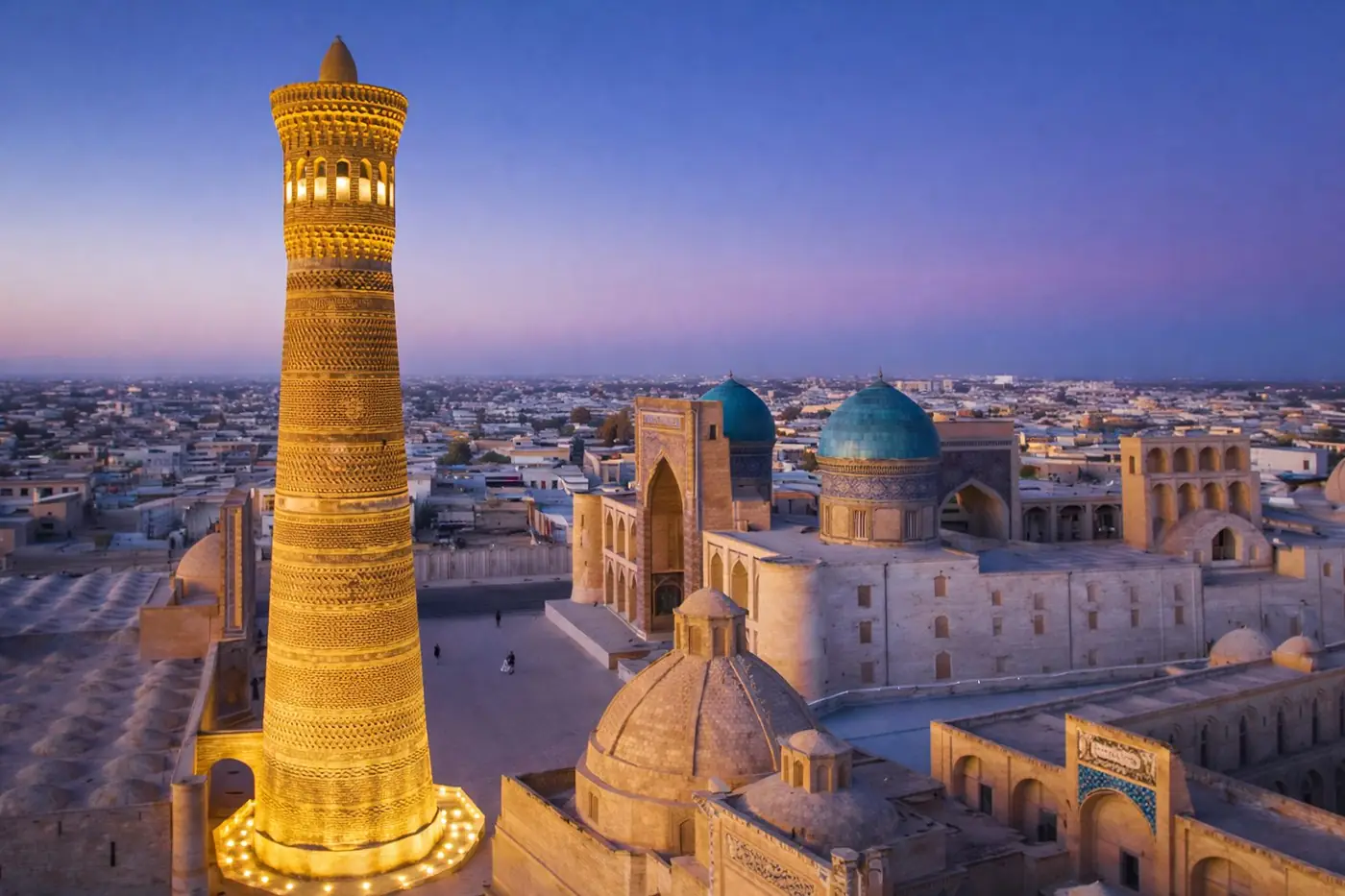
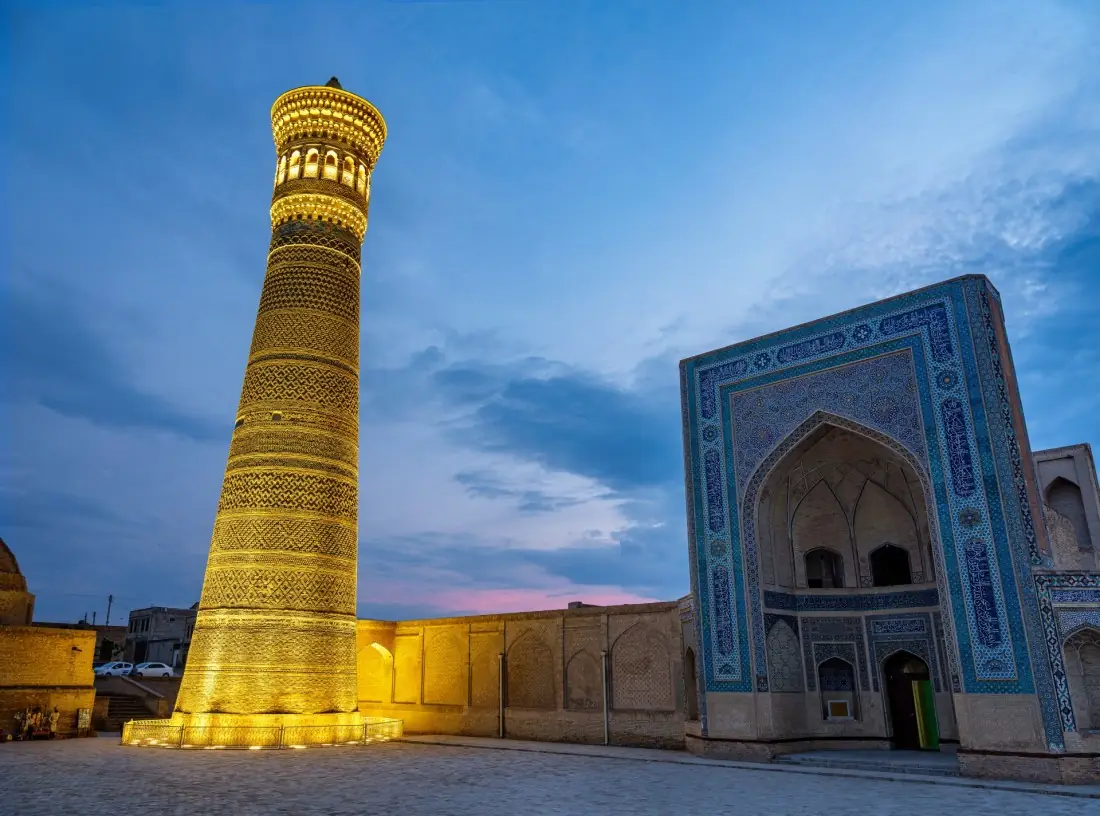
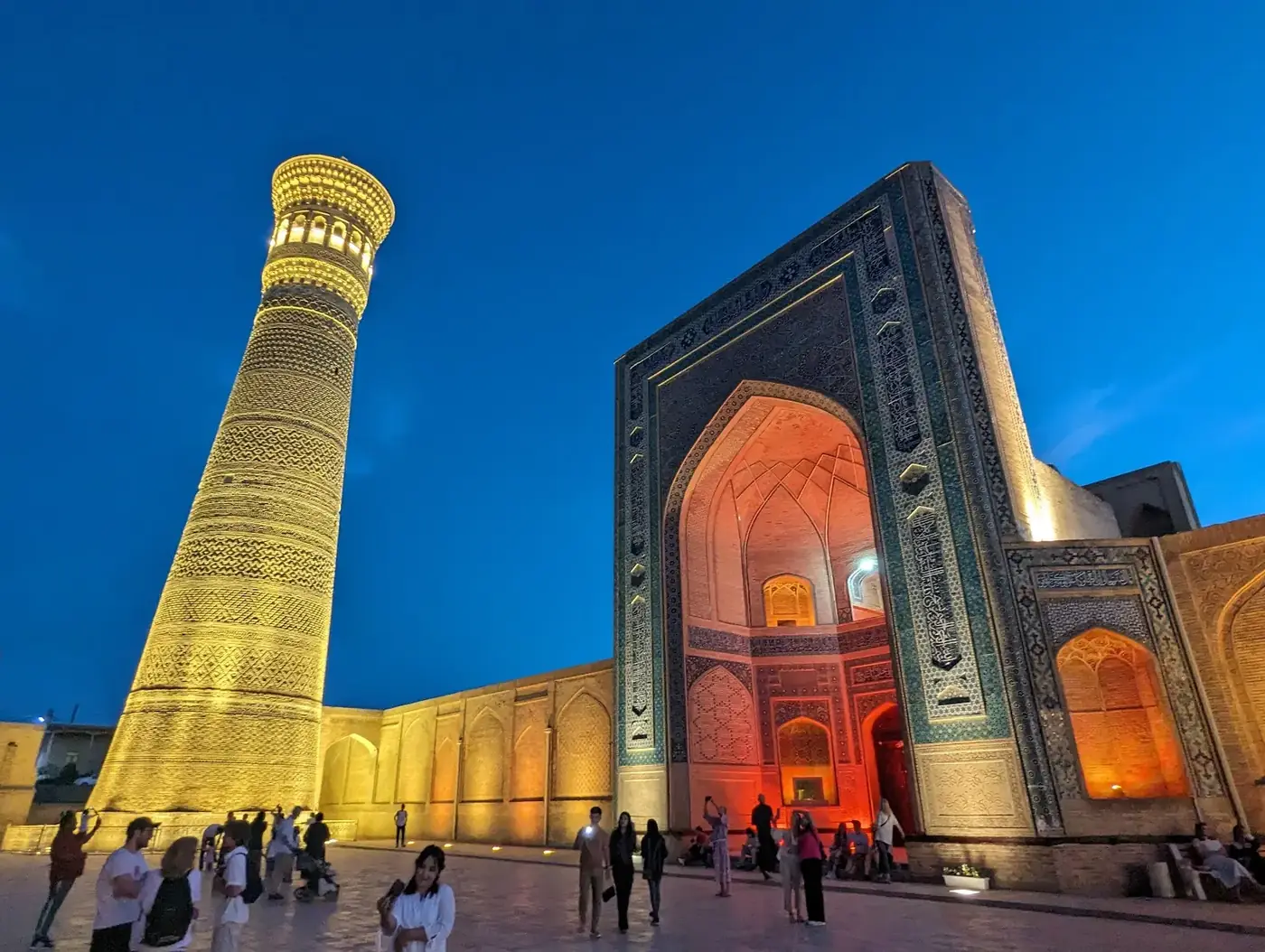
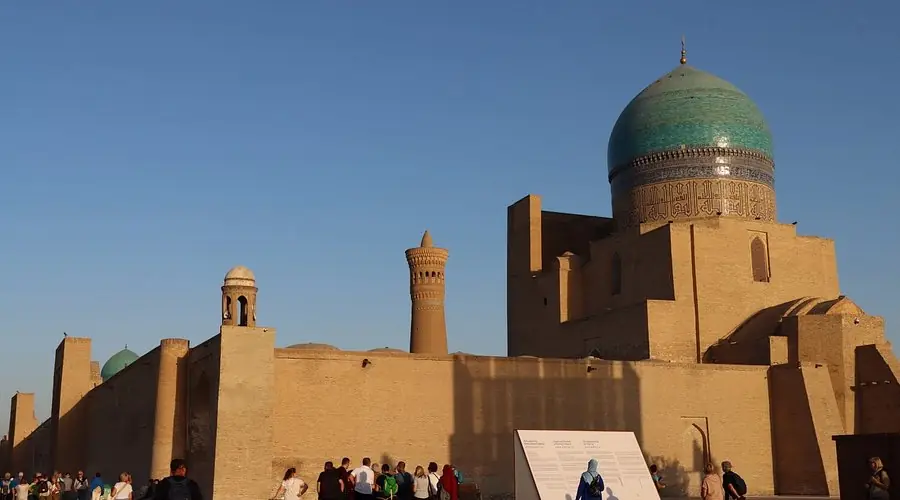
During the day, the warm golden bricks, magnificent turquoise domes, and elegant decorative details glow beneath the Central Asian sun. In the evening, carefully designed illumination transforms the complex into an even more spectacular sight. For every traveler visiting Bukhara, the Poi Kalon Architectural Complex is an essential destination that perfectly captures the beauty, history, and spirit of the ancient Silk Road.
A Journey Through History
The history of the Poi Kalon Architectural Complex dates back to the 12th century. Its oldest and most iconic structure, the Kalon Minaret, was built in 1127 by Arslan Khan of the Karakhanid dynasty. Originally, the minaret served not only as a place from which the call to prayer was announced but also as a towering landmark that guided caravans traveling along the Great Silk Road.
During the Mongol invasion of the 13th century, many of Bukhara's historic buildings were destroyed. According to local legend, however, Genghis Khan was so impressed by the grandeur and engineering of the Kalon Minaret that he ordered it to be spared. As a result, the minaret has survived for nearly nine centuries and remains one of the oldest standing monuments in Central Asia.
In the 16th century, under the Shaybanid dynasty, the complex was significantly expanded. The magnificent Kalon Mosque was reconstructed in 1514, and shortly afterward the renowned Mir-i-Arab Madrasa was built directly opposite it. Together, these three remarkable monuments formed the architectural ensemble that visitors admire today.
For centuries, Poi Kalon served as the religious, educational, and cultural heart of Bukhara. Distinguished Islamic scholars taught here, thousands of students pursued their studies within its madrasas, and pilgrims from across the Muslim world gathered to worship and seek knowledge. Today, the complex remains one of Uzbekistan's most treasured historical landmarks and an enduring symbol of Bukhara's rich cultural heritage.
The Main Highlights of the Complex
Kalon Minaret
Standing 46.5 meters (153 feet) tall, the Kalon Minaret is the most recognizable symbol of Bukhara and one of the finest examples of medieval Islamic architecture in Central Asia. Built from baked bricks and decorated with elegant geometric patterns, the minaret has dominated the city's skyline for nearly nine centuries. Beyond serving as the tower for the call to prayer, it also functioned as a guiding beacon for caravans traveling along the Great Silk Road.
Kalon Mosque
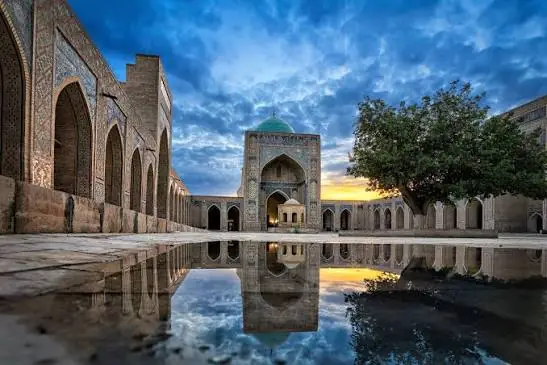
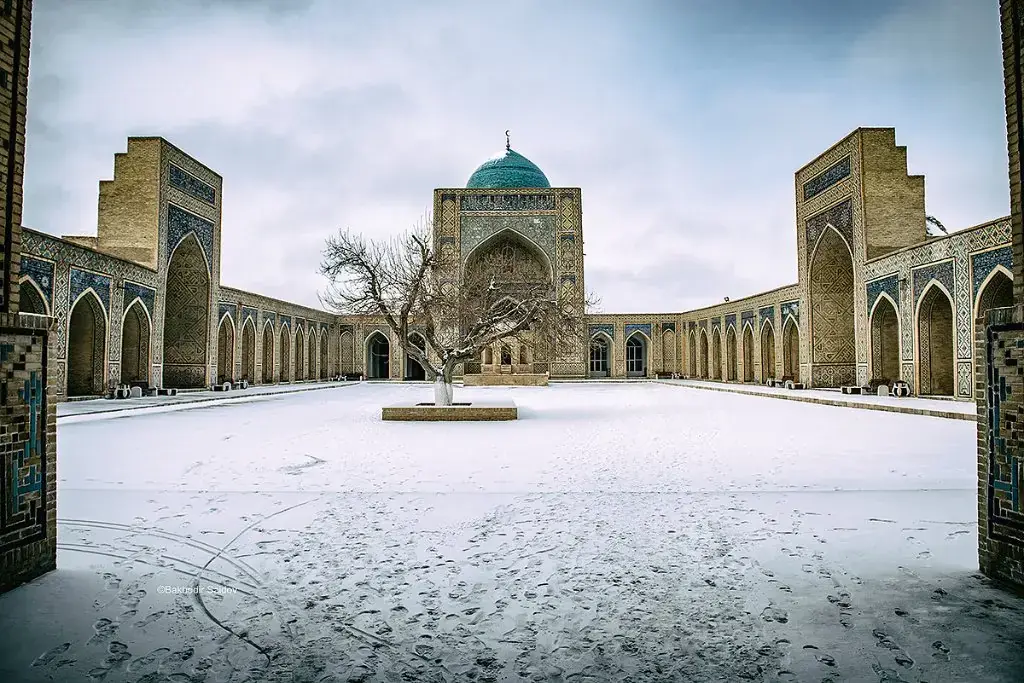
The Kalon Mosque is one of the largest historic mosques in Central Asia. Its vast courtyard, monumental entrance portal, magnificent blue domes, and more than 200 domed galleries once accommodated over 10,000 worshippers at a time. Today, visitors admire the mosque for its impressive scale, harmonious architecture, and remarkable decorative artistry.
Mir-i-Arab Madrasa
Completed in 1536, the Mir-i-Arab Madrasa is one of Bukhara's most prestigious Islamic educational institutions and remains one of the few historic madrasas in Central Asia that continues to function today. Its striking turquoise domes, intricate glazed tilework, and elegant architectural design make it one of the most beautiful and recognizable landmarks within the Poi Kalon Complex.
An Architectural Masterpiece
The Poi Kalon Architectural Complex is regarded as one of the greatest masterpieces of Islamic architecture in Central Asia. Its remarkable combination of monumental structures, sophisticated engineering, and exquisite artistic decoration has made it one of the most treasured architectural ensembles along the legendary Silk Road.
Every structure within the complex showcases the extraordinary craftsmanship of medieval master builders. Elegant brick masonry, intricate geometric patterns, beautifully glazed turquoise tiles, and decorative inscriptions featuring verses from the Holy Qur'an create a harmonious blend of art, architecture, and spirituality. Together, these elements represent the highest achievements of Timurid and Central Asian architectural traditions.
The engineering techniques used in constructing the complex were remarkably advanced for their time. Despite surviving wars, earthquakes, and nearly nine centuries of natural weathering, the Kalon Minaret continues to stand proudly as one of the finest preserved medieval towers in the world, demonstrating the exceptional skill and vision of its builders.
Today, the Poi Kalon Complex remains one of Uzbekistan's most photographed and admired historical landmarks. Its timeless beauty, elegant proportions, and magnificent architectural details continue to inspire historians, architects, photographers, and travelers from around the globe.
Why Visit the Poi Kalon Architectural Complex?
Visiting the Poi Kalon Architectural Complex offers far more than simply exploring a collection of historic monuments. It provides a unique opportunity to experience the spiritual heart of Bukhara, discover the rich legacy of the Great Silk Road, and admire some of the finest examples of Islamic architecture in Central Asia.
During your visit, you can:
Explore Bukhara's most famous and historically significant architectural complex.
Stand beneath the magnificent 900-year-old Kalon Minaret, one of Central Asia's greatest architectural achievements.
Admire the impressive architecture, elegant blue domes, and vast courtyard of the historic Kalon Mosque.
Discover the breathtaking beauty of the Mir-i-Arab Madrasa, renowned for its exquisite tilework and timeless architectural elegance.
Learn about Bukhara's rich history and centuries-old traditions through knowledgeable local guides.
Capture unforgettable photographs at one of Uzbekistan's most iconic and picturesque historical landmarks.
A UNESCO World Heritage Treasure
The Poi Kalon Architectural Complex forms an integral part of the Historic Centre of Bukhara, a UNESCO World Heritage Site recognized for its outstanding cultural and historical significance. This prestigious designation reflects the complex's exceptional contribution to the architectural, religious, and cultural heritage of humanity.
For centuries, Poi Kalon has stood as a symbol of Bukhara's importance as one of the world's great centers of Islamic learning, trade, and culture along the legendary Silk Road. Its remarkably preserved monuments continue to showcase the artistic brilliance and engineering excellence of medieval Central Asia.
Today, the complex is recognized as one of the most iconic historical landmarks in Uzbekistan and one of Central Asia's most treasured architectural ensembles. Every year, thousands of visitors from around the world come to admire its magnificent monuments, explore its fascinating history, and experience the timeless atmosphere of ancient Bukhara.
Best Time to Visit
The Poi Kalon Architectural Complex can be visited throughout the year, with each season offering its own unique atmosphere. However, spring (March–May) and autumn (September–November) are considered the most comfortable times to explore Bukhara, thanks to their pleasant temperatures and clear skies.
The most recommended seasons are:
Spring (March–May): Mild weather, blooming gardens, and comfortable temperatures create ideal conditions for sightseeing and photography.
Autumn (September–November): Cool, sunny days provide the perfect opportunity to admire Bukhara's historic monuments and enjoy leisurely walks through the Old City.
Early morning offers a peaceful atmosphere with fewer visitors, making it an excellent time for photography. In the evening, the beautifully illuminated Kalon Minaret, Kalon Mosque, and Mir-i-Arab Madrasa create a truly unforgettable scene, highlighting the timeless beauty of the complex.
Interesting Facts
The Kalon Minaret was built in 1127 and has stood proudly for nearly 900 years.
Standing 46.5 meters (153 feet) tall, the Kalon Minaret remains one of the tallest and best-preserved medieval towers in Central Asia.
According to legend, Genghis Khan was so impressed by the grandeur of the Kalon Minaret that he ordered his army not to destroy it during the Mongol invasion.
The Kalon Mosque was designed to accommodate more than 10,000 worshippers, making it one of the largest historic mosques in Central Asia.
The Mir-i-Arab Madrasa is one of the few historic Islamic schools in Central Asia that continues to operate as a religious educational institution today.
Today, the Poi Kalon Architectural Complex is Bukhara's most photographed landmark and one of Uzbekistan's most visited historical attractions.
Travel Tips
Allow around 2 hours to fully explore the Poi Kalon Architectural Complex and appreciate its remarkable history and architecture.
Visit early in the morning or just before sunset for the most beautiful lighting and unforgettable photographs.
Hiring a knowledgeable local guide is highly recommended to learn about the fascinating history, legends, and architectural details of each monument.
Take time to explore the nearby historic trading domes and traditional handicraft shops, where you can discover authentic Bukharan craftsmanship and souvenirs.
For the best experience, include the Poi Kalon Complex, Ark Fortress, and the Lyabi-Hauz Ensemble in a one-day sightseeing itinerary through the historic center of Bukhara.
The Timeless Legacy of Poi Kalon
The Poi Kalon Architectural Complex is far more than a collection of remarkable historical monuments—it is the very heart of Bukhara, a priceless legacy of the Great Silk Road, and one of the finest masterpieces of Islamic architecture in Central Asia. For centuries, its magnificent minaret, grand mosque, and historic madrasa have served as symbols of knowledge, faith, and cultural prosperity, reflecting the rich heritage of one of the world's oldest cities.
Today, Poi Kalon continues to inspire visitors with its breathtaking architecture, fascinating history, and timeless atmosphere. Walking through this extraordinary complex is like stepping back into the golden age of the Silk Road, where every brick and every decorative detail tells a story of artistic excellence and spiritual devotion. For anyone visiting Bukhara, the Poi Kalon Architectural Complex remains an unforgettable destination and one of Uzbekistan's greatest cultural treasures.
📞 Phone: +998 97 397 37 73
📧 Email: lapislazulitours@gmail.com
The Ancient Citadel That Has Guarded Bukhara for Centuries
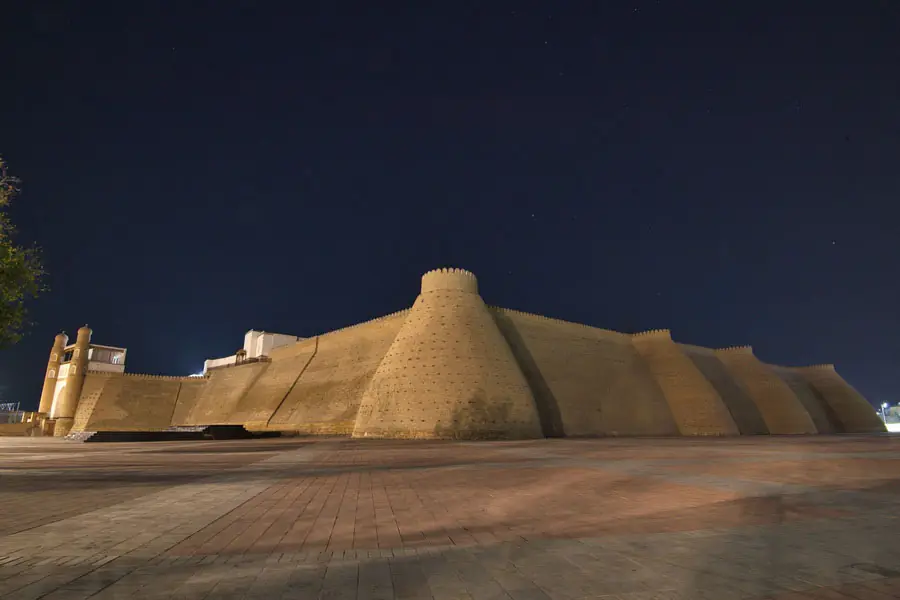
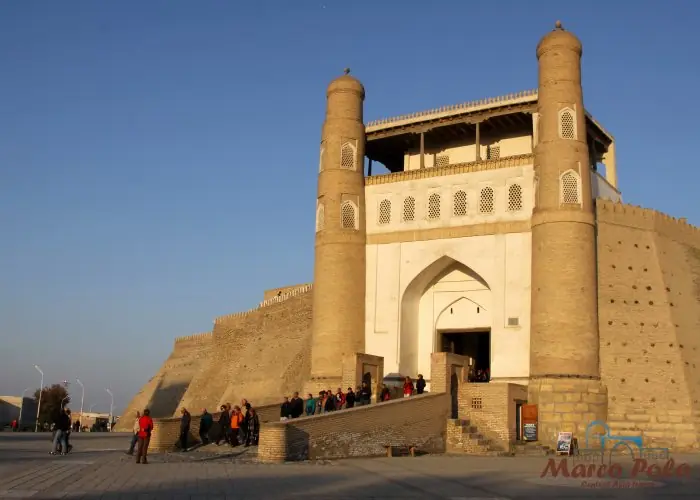
The Ark Fortress is the oldest and most significant historical monument in Bukhara, serving for centuries as the residence of rulers, the administrative center of the state, and the city's principal defensive stronghold. Today, it stands as one of the most iconic symbols of both Bukhara and Uzbekistan, preserving the rich legacy of one of Central Asia's oldest civilizations.
Rising proudly in the heart of the ancient city, this magnificent fortress witnessed the political, cultural, and military life of the Emirate of Bukhara for generations. Royal ceremonies were held within its walls, important state decisions were made, and foreign ambassadors were welcomed into its grand halls. Walking through the fortress, visitors can immediately feel the atmosphere of a living history preserved behind its massive defensive walls.
Today, the Ark Fortress has been transformed into a remarkable open-air museum complex where travelers can explore centuries of history, admire authentic architectural monuments, and discover priceless artifacts that tell the story of Bukhara's glorious past. It remains one of the city's most essential attractions for anyone wishing to experience the spirit of the legendary Silk Road.
A Journey Through History
The history of the Ark Fortress stretches back nearly fifteen centuries, making it one of the oldest surviving fortifications in Central Asia. Archaeological evidence suggests that this elevated site was inhabited from ancient times, with the earliest defensive walls built to protect the growing settlement that eventually became the historic city of Bukhara.
Throughout the centuries, the fortress was repeatedly expanded and reconstructed under various dynasties, including the Samanids, Karakhanids, Timurids, Shaybanids, and Manghit rulers. For generations, the Ark served as the political heart of the Emirate of Bukhara, functioning as the official residence of emirs, the seat of government, and the center of military administration. Countless historic decisions that shaped the region were made within its imposing walls.
According to local legend, the fortress was founded by the legendary Persian hero Siyavush, whose story remains deeply rooted in the cultural traditions of Bukhara. While historians regard this as folklore, the legend adds a unique spiritual and cultural dimension to the fortress's long history, making it one of the city's most treasured symbols.
Following the fall of the Emirate of Bukhara in 1920, parts of the fortress were severely damaged during military conflict. Extensive restoration and archaeological conservation projects carried out in the following decades helped preserve many of its historic structures. Today, the Ark Fortress stands as a remarkable museum complex, welcoming visitors from around the world to explore the rich history, architecture, and cultural heritage of ancient Bukhara.
Life Within the Fortress Walls
The Ark Fortress was far more than a military stronghold. For centuries, it functioned as a self-contained city where the rulers of Bukhara lived, governed the emirate, and welcomed distinguished guests from across the Silk Road. Thousands of officials, soldiers, craftsmen, servants, and religious scholars worked and resided within its walls, making the fortress the political, administrative, and cultural heart of the city.
Inside the Ark Fortress, visitors can discover:
The Emir's magnificent palace and private royal residence.
The ceremonial Throne Hall, where official receptions and state ceremonies were held.
Government offices where the affairs of the Emirate were administered.
A historic Friday Mosque used for royal prayers and religious ceremonies.
The treasury, library, mint, military quarters, reception halls, and peaceful inner courtyards.
Together, these remarkable structures transformed the Ark Fortress into a thriving royal citadel that served as the political, economic, military, and cultural center of Bukhara for hundreds of years.
An Architectural Masterpiece
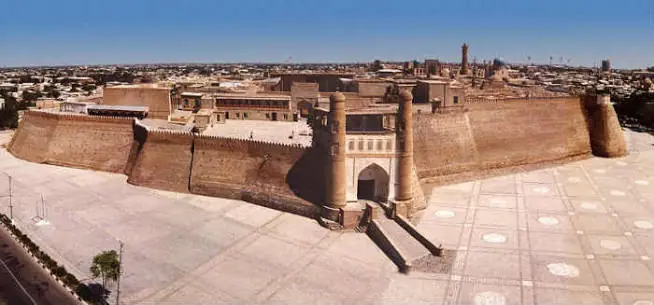
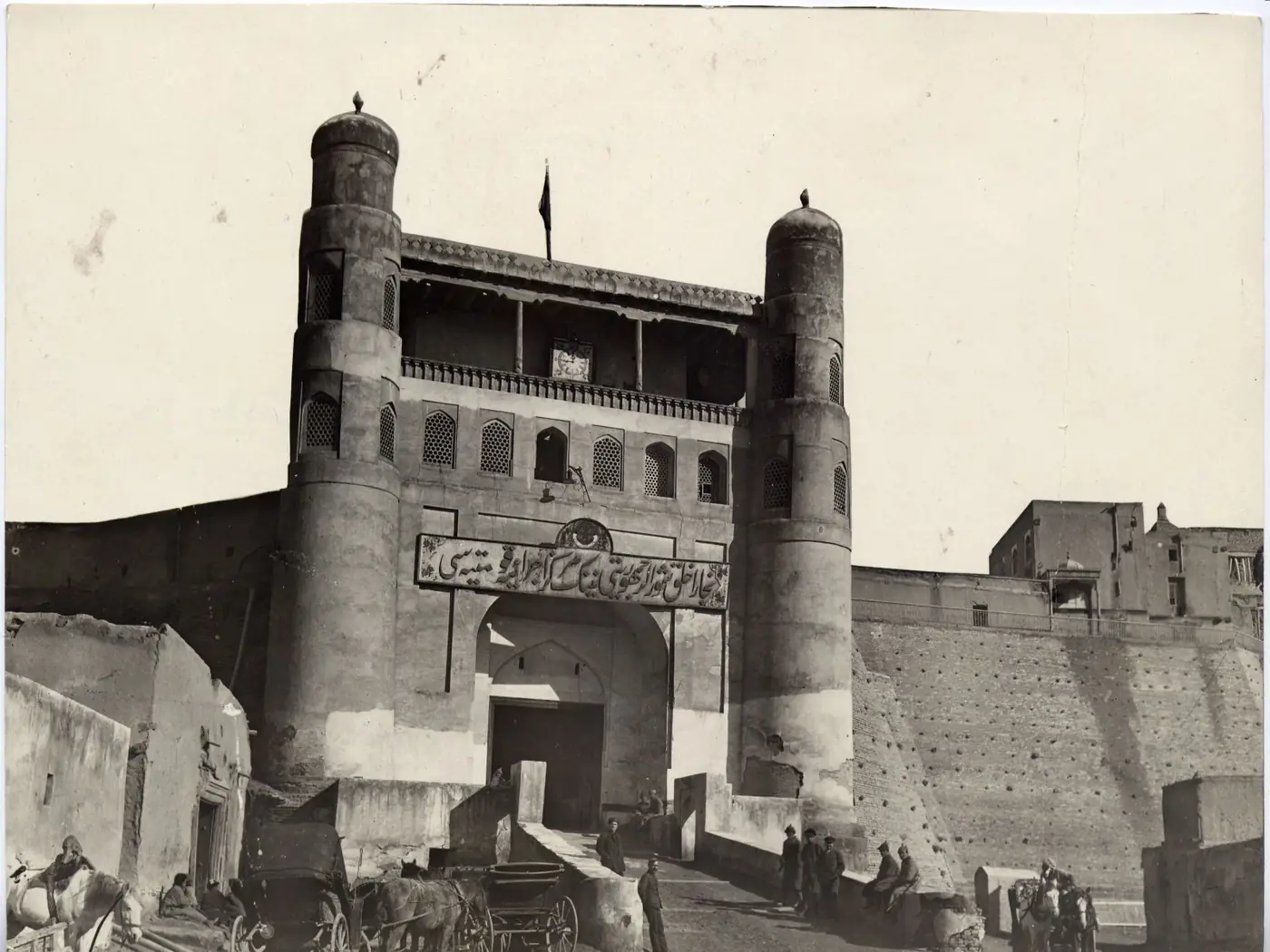
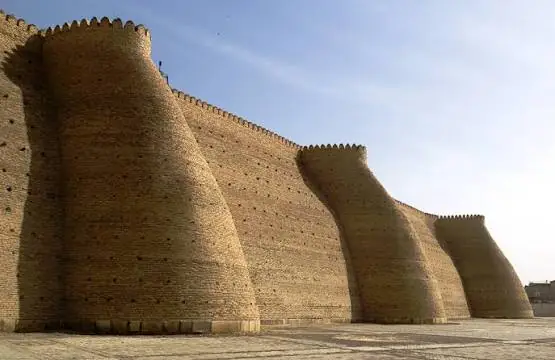
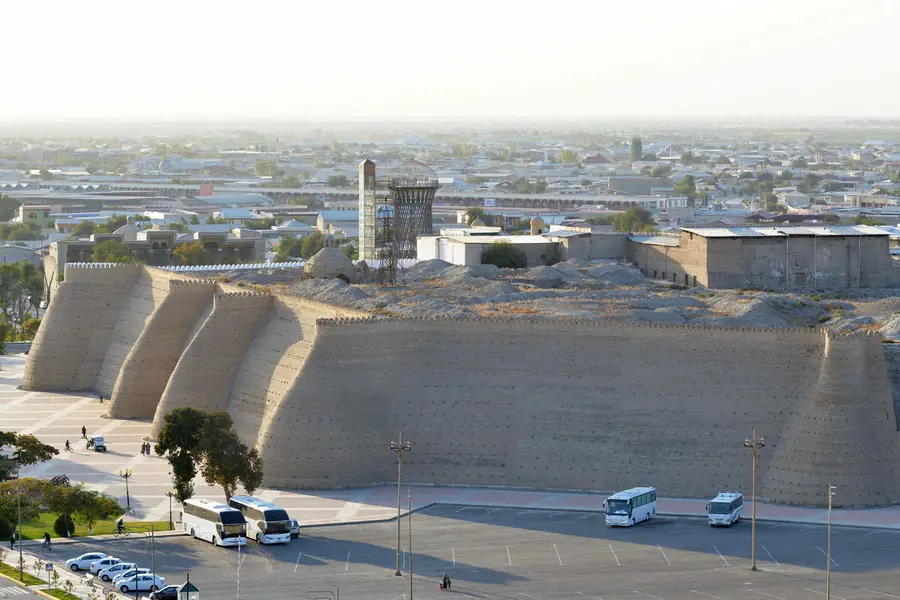
The Ark Fortress stands atop a massive artificial hill, dominating the skyline of Bukhara with its monumental walls and imposing entrance. Designed to withstand centuries of warfare and natural challenges, the fortress represents one of the finest examples of medieval military architecture in Central Asia.
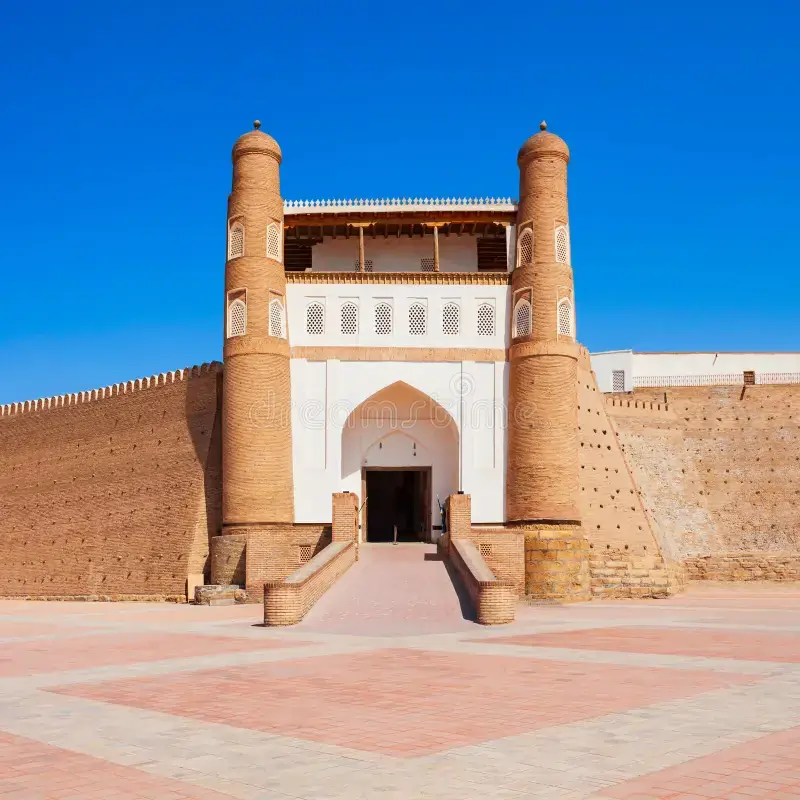
The fortress's main gateway is one of its most recognizable features, flanked by two massive circular towers connected by an elegant entrance passage. Built primarily of sun-dried and baked bricks, the defensive walls were strengthened and restored many times throughout history while preserving their original appearance. Their impressive height and thickness reflect the strategic importance of the Ark as the heart of the Emirate of Bukhara.
Inside the fortress, visitors can admire beautifully designed courtyards, traditional wooden verandas, historic mosques, royal chambers, and administrative buildings that showcase the elegance of Central Asian and Islamic architecture. Every corner of the citadel reflects centuries of craftsmanship, where decorative brickwork, carved wooden columns, and harmonious layouts blend functionality with artistic beauty.
Today, many of the fortress's restored buildings house fascinating museums displaying royal artifacts, ancient manuscripts, traditional weapons, archaeological discoveries, and priceless historical treasures. Together, these collections offer visitors a unique opportunity to experience the rich political, cultural, and architectural heritage of one of the Silk Road's greatest cities.
Why Visit Ark Fortress?
The Ark Fortress offers a unique opportunity to experience the rich history, royal heritage, and cultural traditions of ancient Bukhara. A visit to this legendary citadel allows travelers to step back in time and explore one of Central Asia's most remarkable historical landmarks.
During your visit, you can:
Explore the former royal residence of the Emirs of Bukhara and discover the life of the rulers.
Walk through ancient fortress walls that have witnessed more than a thousand years of history.
Discover fascinating museums, historical artifacts, manuscripts, and traditional treasures.
Enjoy breathtaking views of old Bukhara from the elevated fortress grounds.
Learn fascinating stories about the Bukhara Emirate, the Silk Road, and local traditions from professional guides.
Capture unforgettable photographs at one of Bukhara's most iconic historical landmarks.
A UNESCO World Heritage Treasure
The Ark Fortress is one of the most important historical monuments included within the UNESCO World Heritage Site of the Historic Centre of Bukhara. This recognition highlights its exceptional cultural value and its significance not only for Uzbekistan but also for the heritage of humanity.
As a symbol of Bukhara's long history, the Ark Fortress represents centuries of political power, architectural development, and cultural exchange along the legendary Silk Road. Its preserved structures and historical collections provide valuable insights into the traditions, achievements, and lifestyle of Central Asian civilizations.
Today, the fortress remains one of Bukhara's most visited attractions, welcoming travelers, historians, and culture enthusiasts from around the world who come to explore its remarkable past and experience the atmosphere of an ancient royal city.
Travel Tips for Visitors
To fully enjoy your visit to the Ark Fortress, it is recommended to plan enough time to explore the historical buildings, museums, and ancient courtyards inside the complex. A comfortable walking pace will allow you to appreciate the architecture and learn more about Bukhara's fascinating history.
Set aside at least 1.5–2 hours to explore the fortress and its museums.
Wear comfortable shoes as the fortress area includes walking through historic pathways and courtyards.
Visit early in the morning or before sunset for the best atmosphere and photography opportunities.
Consider hiring a local guide to discover fascinating stories, legends, and historical details about the fortress.
Combine your visit with nearby attractions such as Poi Kalon Complex and Lyabi Hovuz for a complete Bukhara experience.
Best Time to Visit
The best time to visit the Ark Fortress is during spring (March–May) and autumn (September–November). During these seasons, the weather in Bukhara is mild and comfortable, allowing visitors to explore the fortress, museums, and surrounding historical landmarks in pleasant conditions.
Early mornings are especially recommended for visiting the Ark Fortress, as the area is quieter and offers excellent opportunities for photography. In the evening, the fortress becomes even more impressive as its ancient walls and historic entrance are beautifully illuminated.
Bukhara Awaits You
Step into the legendary Ark Fortress and discover the heart of ancient Bukhara. Walk through centuries-old walls, explore royal chambers, and experience the stories of rulers, scholars, and travelers who shaped the history of this remarkable city. Let the atmosphere of the fortress take you on an unforgettable journey through the heritage of the Silk Road.
Ready to explore Ark Fortress? Let Lapis Lazuli Tours create an unforgettable journey through the history and culture of Bukhara. Contact our travel experts today to plan your perfect adventure.
📞 Phone: +998 97 397 37 73
📧 Email: lapislazulitours@gmail.com
The Heart of Bukhara and a Living Witness to the Ancient Silk Road
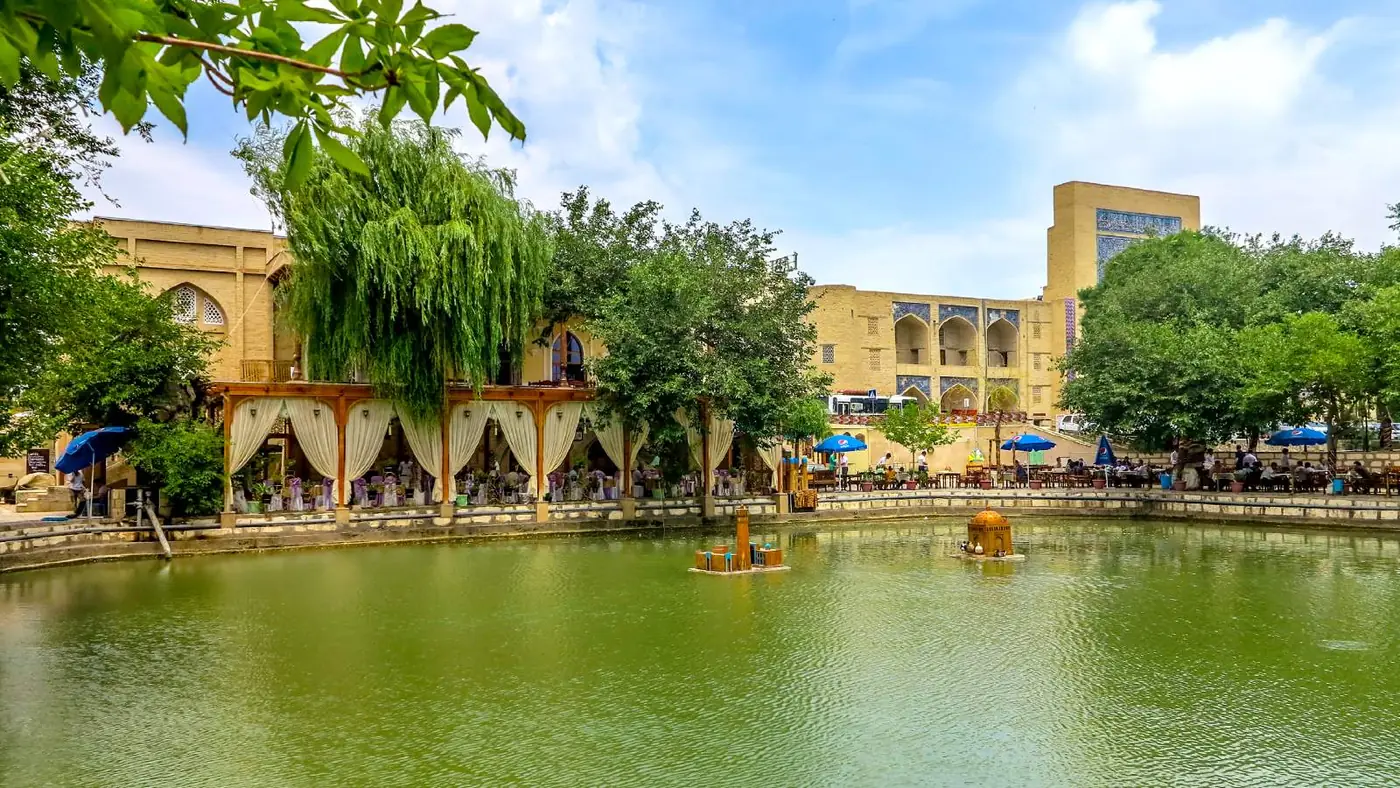
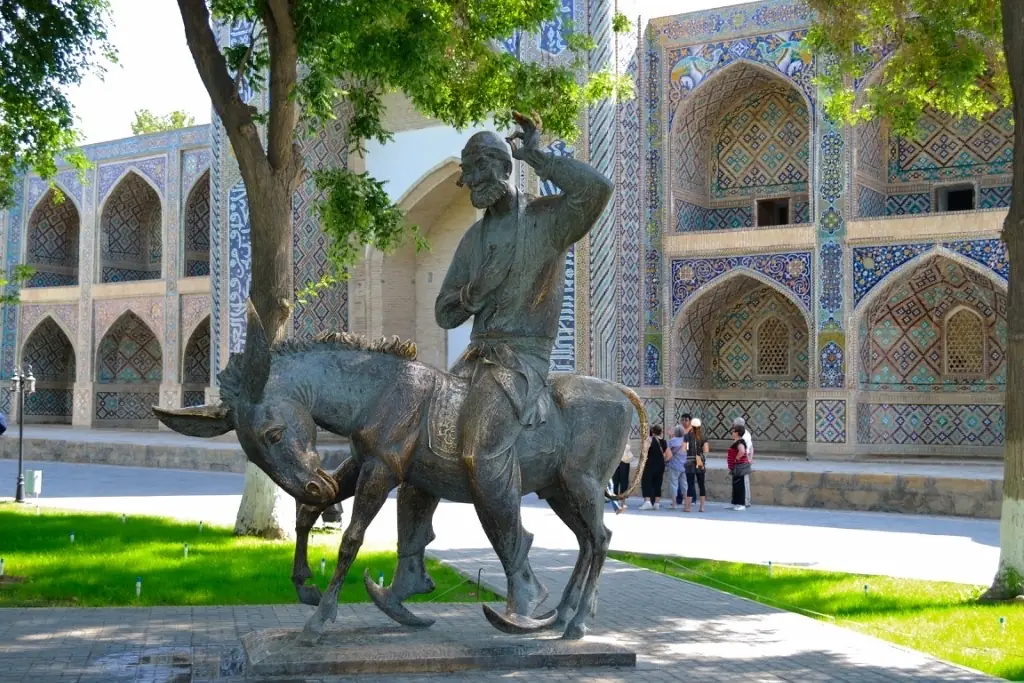
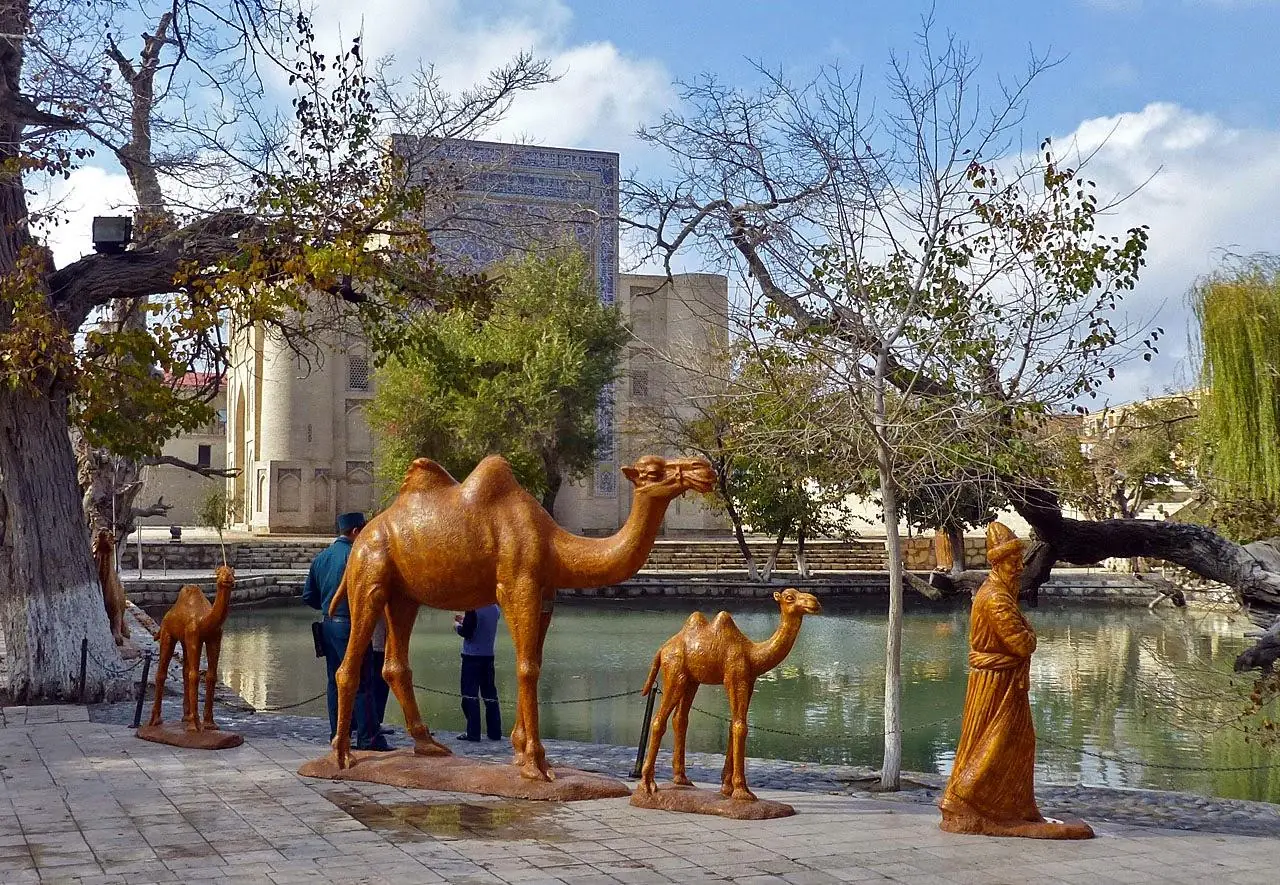
The Lyabi Hovuz Ensemble is one of Bukhara's most beautiful and vibrant historical landmarks. For centuries, it has served as a gathering place for local residents, merchants, scholars, and travelers from across the Great Silk Road. Surrounded by magnificent madrasas, ancient religious buildings, and traditional caravanserais, the ensemble remains one of the finest examples of Bukhara's rich cultural heritage.
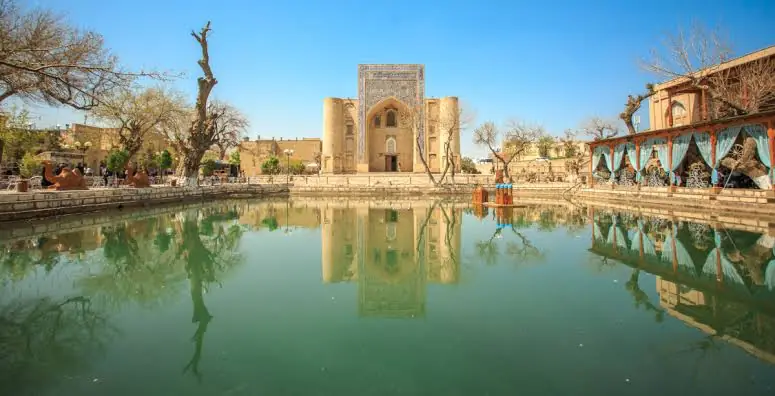
The name "Lyabi Hovuz" comes from the Persian-Tajik language and means "by the pond." It refers to the large man-made pool at the center of the complex, which supplied drinking water to the people of Bukhara for centuries and became an essential part of everyday city life.
Today, Lyabi Hovuz beautifully combines history, traditional culture, and modern tourism. During the day, visitors can admire its remarkable architecture and peaceful surroundings, while in the evening the illuminated monuments, traditional teahouses, and live cultural performances create one of the most enchanting atmospheres in all of Bukhara.
A Journey Through History
The history of the Lyabi Hovuz Ensemble dates back to the 16th and 17th centuries during the rule of the Shaybanid dynasty. The large central pond, which gives the complex its name, was excavated around 1620 and gradually became the focal point around which some of Bukhara's most important public buildings were constructed.
From its earliest days, Lyabi Hovuz served as one of Bukhara's busiest social and commercial centers. Merchants traveling along the Great Silk Road stopped here to rest, scholars gathered to exchange knowledge, and local residents met beside the pond, making it an essential part of everyday life in the ancient city.
Over the centuries, the ensemble has remained one of Bukhara's most beloved landmarks. Although the city has changed through the ages, Lyabi Hovuz has preserved its historical charm and continues to welcome visitors from around the world as one of the cultural and architectural treasures of Uzbekistan.
The Main Highlights of the Ensemble
Lyabi Hovuz Pond
The large historic pond at the center of the ensemble is its defining feature and the heart of the complex. For centuries, it served as one of Bukhara's primary sources of drinking water. Today, surrounded by ancient trees, walking paths, and traditional teahouses, it offers one of the most peaceful and picturesque settings in the city.
Kukeldash Madrasa
Built in the 16th century, Kukeldash Madrasa is one of the largest historic madrasas in Bukhara. Once home to hundreds of students studying religious and secular sciences, it continues to impress visitors with its monumental entrance portal, elegant courtyard, and remarkable architectural design.
Nadir Divan-Begi Madrasa
Constructed in the early 17th century, this remarkable building was originally intended to be a caravanserai before being transformed into a madrasa. Its magnificent entrance is decorated with rare mythical birds and sun motifs, making it one of the most distinctive architectural masterpieces in Central Asia.
Nadir Divan-Begi Khanqah
Another important part of the ensemble is the Nadir Divan-Begi Khanqah, which once served as a gathering place for Sufi dervishes and religious scholars. Throughout history, it hosted spiritual ceremonies, intellectual discussions, and religious teachings, playing an important role in Bukhara's cultural and spiritual life.
An Architectural Masterpiece
The Lyabi Hovuz Ensemble is one of the finest examples of traditional urban planning and architectural harmony in Central Asia. The historic pond, monumental madrasas, elegant khanqah, and centuries-old trees blend seamlessly to create a peaceful atmosphere that reflects the timeless beauty of ancient Bukhara.
The buildings surrounding the pond were constructed using baked bricks and decorated with exquisite glazed tiles, intricate geometric patterns, and beautifully crafted ornamental details. Although each monument was built during a different period, together they form a perfectly balanced architectural ensemble that has remained remarkably well preserved for centuries.
One of the most distinctive features of Lyabi Hovuz is the way history and everyday life exist side by side. Visitors can admire magnificent historical monuments while enjoying traditional teahouses, local handicraft shops, and the lively atmosphere that has characterized this square since the days of the Great Silk Road.
Today, Lyabi Hovuz is regarded as one of Bukhara's most photogenic and vibrant historical destinations. Its unique combination of architectural elegance, cultural heritage, and tranquil surroundings makes it a favorite place for historians, photographers, artists, and travelers from around the world.
Why Visit Lyabi Hovuz?
Lyabi Hovuz is one of the best places to experience the authentic atmosphere of historic Bukhara. Here, visitors can admire centuries-old architecture, relax beside the peaceful pond, discover local traditions, and enjoy the unique charm of one of the city's most vibrant cultural landmarks.
During your visit, you can:
Stroll through one of Bukhara's most famous historic squares.
Explore the magnificent Kukeldash Madrasa and Nadir Divan-Begi Madrasa.
Enjoy authentic Uzbek cuisine at traditional teahouses overlooking the historic pond.
Browse local handicraft shops and purchase handmade souvenirs created by Bukhara's skilled artisans.
Experience the magical evening atmosphere as the historic buildings are beautifully illuminated.
Capture unforgettable photographs at one of the most picturesque locations in Bukhara.
UNESCO World Heritage
The Lyabi Hauz Ensemble forms an integral part of the "Historic Centre of Bukhara", which has been inscribed on the UNESCO World Heritage List. The ensemble is recognized for its outstanding historical value, exceptional architectural harmony, and its remarkable preservation of the traditional urban character of one of Central Asia's oldest cities.
For centuries, Lyabi Hauz has served as a vibrant gathering place for merchants, scholars, pilgrims, and local residents. Today, it remains one of Bukhara's most treasured cultural landmarks, offering visitors an authentic glimpse into the city's rich Silk Road heritage while preserving the atmosphere of a medieval Central Asian oasis.
Best Time to Visit
The Lyabi Hauz Ensemble is a wonderful destination throughout the year, with each season offering its own unique charm. However, the most comfortable times to visit are during spring (March–May) and autumn (September–November), when the weather is mild and perfect for walking through Bukhara's historic streets and enjoying the peaceful atmosphere around the ancient pond.
Early mornings provide a calm setting for sightseeing and photography before the crowds arrive, while evenings are especially magical. As the historic buildings are beautifully illuminated and their reflections shimmer across the water, Lyabi Hauz transforms into one of the most romantic and picturesque locations in Bukhara, making it an unforgettable experience for every visitor.
Interesting Facts
Lyabi Hauz is home to one of the few large historic ponds that have survived in Bukhara.
The central pond was constructed in the early 17th century and has remained the heart of the ensemble for nearly 400 years.
The surrounding monuments, including Kukeldash Madrasa and Nadir Divan-Begi Madrasa, were built during the 16th and 17th centuries.
The mythical bird motifs decorating the Nadir Divan-Begi Madrasa are among the rare figurative designs found in Central Asian Islamic architecture.
Today, Lyabi Hauz is one of Bukhara's most photographed and visited cultural landmarks.
Throughout the year, the square hosts traditional music performances, folklore festivals, and cultural events that celebrate Uzbekistan's rich heritage.
Travel Tips
Allow at least 1.5–2 hours to fully explore the Lyabi Hauz Ensemble and its historic monuments.
Visit in the evening to experience the beautifully illuminated buildings reflected in the tranquil waters of the ancient pond.
Relax at one of the traditional teahouses surrounding the pond and enjoy authentic Uzbek cuisine in a peaceful setting.
Browse the nearby handicraft shops to discover handmade ceramics, textiles, miniature paintings, and unique Bukhara souvenirs.
Hiring a local guide will help you uncover the fascinating history, legends, and architectural details of the ensemble.
Combine your visit with the Ark Fortress and the Poi Kalon Complex for a complete one-day tour of Bukhara's most iconic historical landmarks.
Final Thoughts
The Lyabi Hauz Ensemble is more than just a historical landmark—it is the living heart of Bukhara, where centuries of history, culture, architecture, and hospitality come together in perfect harmony. For generations, this peaceful square has welcomed merchants, scholars, pilgrims, and travelers from across the world, preserving the timeless spirit of the Silk Road.
Today, Lyabi Hauz remains one of Uzbekistan's most captivating destinations. Its tranquil pond, magnificent madrasas, traditional teahouses, and vibrant atmosphere offer visitors an unforgettable journey through the rich heritage of Central Asia. Whether you come to admire its architecture, experience local traditions, or simply relax beneath the shade of ancient trees, Lyabi Hauz promises memories that will last a lifetime and stands as an essential stop on every visit to Bukhara.
Ready to discover the timeless beauty of Lyabi Hauz? Let Lapis Lazuli Tours help you plan a seamless and unforgettable journey through the historic heart of Bukhara.
📞 Phone: +998 97 397 37 73
📧 Email: lapislazulitours@gmail.com
The Masterpiece of Early Islamic Architecture in Central Asia
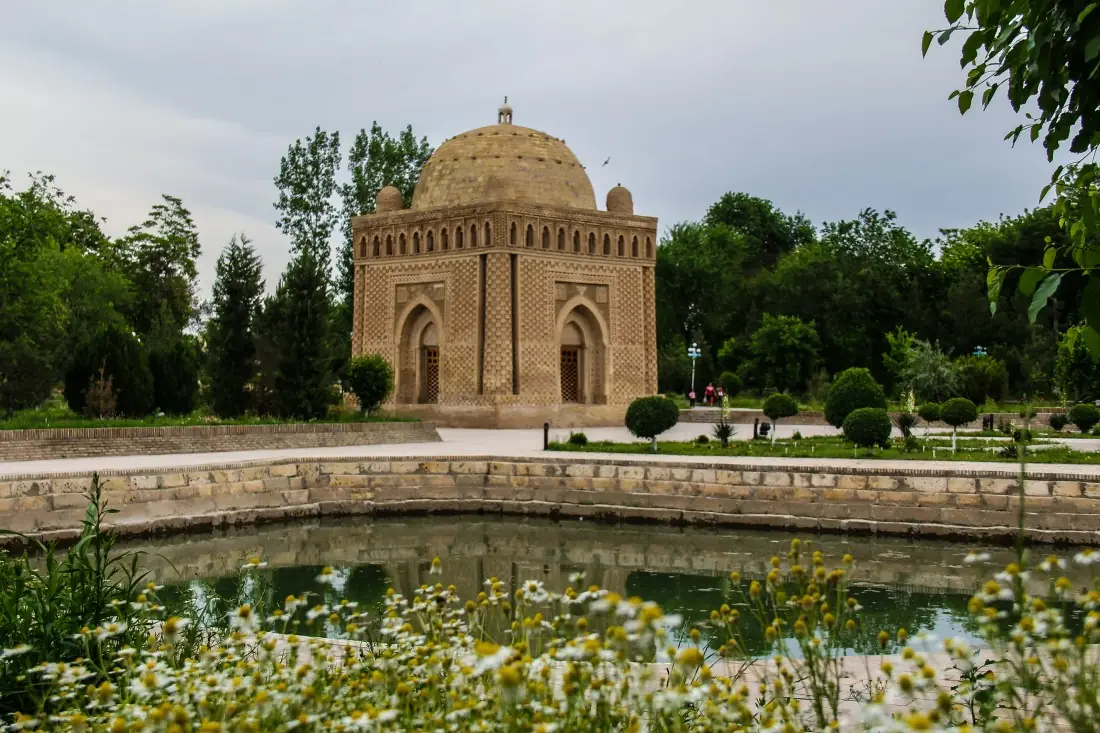
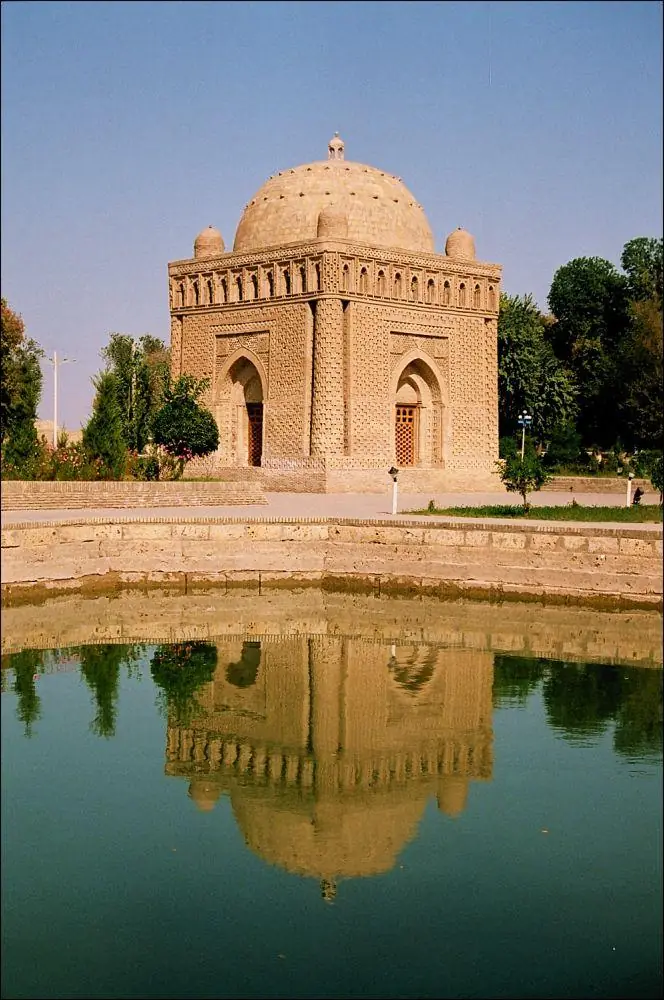
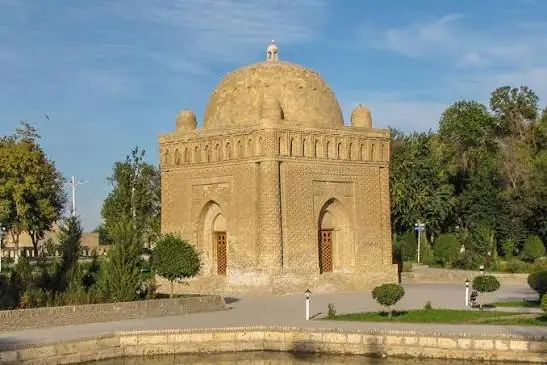
The Ismail Samani Mausoleum is one of Bukhara's oldest and most treasured historical monuments, widely regarded as one of the finest masterpieces of early Islamic architecture in Central Asia. Built more than a thousand years ago, this remarkable structure serves not only as the resting place of the founder of the Samanid dynasty but also as a symbol of the region's extraordinary architectural and cultural achievements.
Nestled within a peaceful park in the heart of Bukhara, the mausoleum captivates visitors with its elegant proportions, perfectly balanced design, and intricate brickwork. Every brick has been carefully arranged to create beautiful geometric patterns that change in appearance as sunlight moves across the building, demonstrating the exceptional craftsmanship of the Samanid era.
Today, the Ismail Samani Mausoleum remains one of Uzbekistan's most significant cultural landmarks and a must-visit destination for history enthusiasts, architects, photographers, and travelers from around the world. Its remarkable preservation, timeless beauty, and profound historical importance make it one of Bukhara's most unforgettable attractions.
A Journey Through History
The history of the Ismail Samani Mausoleum dates back to the late 9th and early 10th centuries, during the golden age of the Samanid dynasty—one of the most influential Persian-speaking Muslim dynasties in Central Asia. Commissioned by Ismail Samani, the founder of the dynasty, the mausoleum was originally built as a royal family burial place and later became one of the most important architectural symbols of the Samanid Empire. Under the Samanids, Bukhara flourished as a leading center of science, literature, trade, and Islamic culture, attracting scholars, merchants, and craftsmen from across the Islamic world.
Unlike many monuments of its era, the mausoleum survived centuries of political change, invasions, and natural disasters. One of the main reasons for its remarkable preservation was that, over time, the structure became almost completely buried beneath layers of sand, earth, and debris. Hidden from destruction for hundreds of years, the building remained protected while many other historic monuments in the region suffered severe damage. This accidental preservation allowed the mausoleum to retain much of its original appearance and construction details, making it one of the best-preserved examples of early Islamic architecture in the world.
During the late 19th and early 20th centuries, archaeologists and historians began systematic excavations around the site. As the accumulated soil was carefully removed, the extraordinary monument gradually emerged once again. Restoration projects were carried out with great respect for the original design, ensuring that its authentic architectural character remained intact. Today, visitors can admire the mausoleum much as it appeared more than a thousand years ago, offering a rare opportunity to experience one of the oldest surviving monuments of Islamic civilization in Central Asia.
Today, the Ismail Samani Mausoleum stands not only as the final resting place of a great ruler but also as a lasting testament to the artistic vision, engineering excellence, and cultural achievements of the Samanid dynasty. Recognized as one of Bukhara's most treasured landmarks, it continues to inspire historians, architects, and travelers from around the world, preserving more than a millennium of history within its beautifully crafted brick walls.
An Architectural Masterpiece
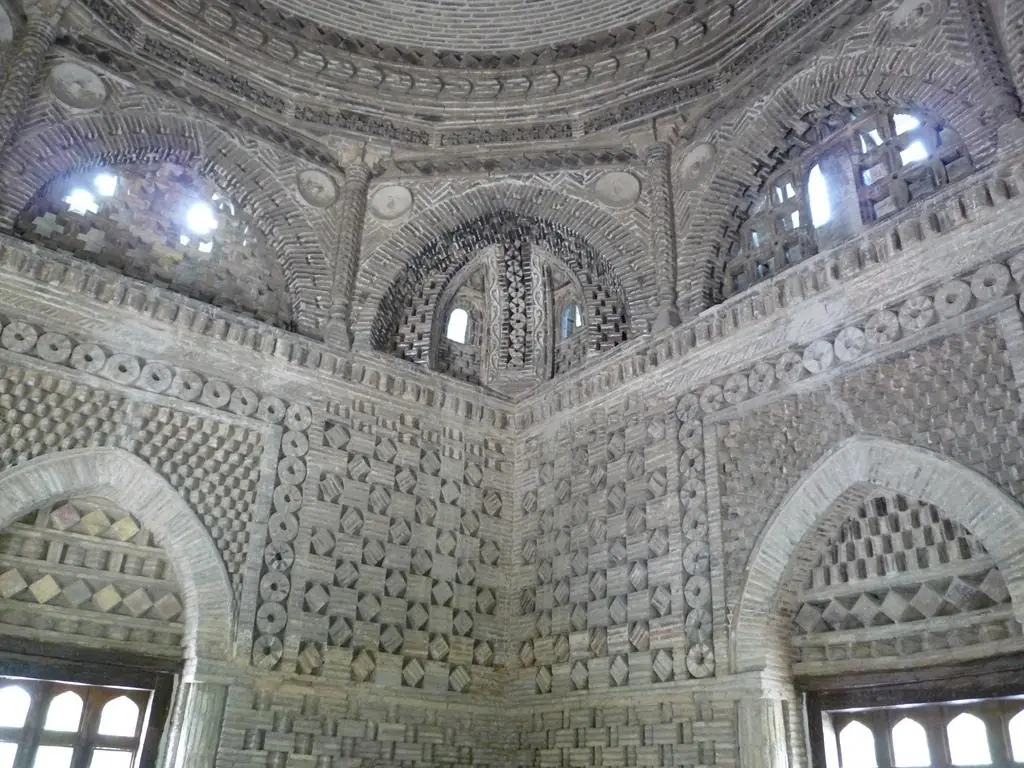
The Ismail Samani Mausoleum is widely regarded as one of the greatest masterpieces of early Islamic architecture and one of the finest brick monuments ever constructed in Central Asia. Unlike many monuments that rely on colorful glazed tiles or elaborate painted decorations, the mausoleum derives its extraordinary beauty from the creative use of baked brick. Through remarkable craftsmanship, ordinary building materials were transformed into a timeless work of art that continues to inspire architects and historians more than a thousand years after its construction.
Every wall of the mausoleum is decorated with carefully arranged brick patterns that create intricate geometric designs, giving the structure a unique texture and visual depth. As sunlight moves across the building throughout the day, the changing light and shadows make the decorative patterns appear almost alive. This sophisticated use of brickwork demonstrates the exceptional engineering knowledge and artistic vision of the Samanid builders, whose techniques influenced the development of Islamic architecture for centuries.
The mausoleum follows a perfectly balanced square plan crowned by a graceful central dome, symbolizing harmony, stability, and eternity. Each façade is nearly identical, reflecting the mathematical precision and symmetry that characterize early Islamic design. The harmonious proportions of the building create a sense of elegance and simplicity that remains impressive even by modern architectural standards.
Today, the Ismail Samani Mausoleum is recognized as one of Uzbekistan's most remarkable architectural treasures. Its exceptional preservation, innovative construction techniques, and timeless aesthetic make it an essential destination for anyone interested in history, architecture, photography, or the cultural heritage of the Silk Road. Standing before this magnificent monument offers visitors a rare opportunity to witness one of the earliest surviving masterpieces of Islamic architecture in its original form.
Why Visit the Ismail Samani Mausoleum?
The Ismail Samani Mausoleum offers far more than a glimpse into Bukhara's ancient past—it provides a rare opportunity to experience one of the oldest surviving masterpieces of Islamic architecture in its original form. Combining remarkable engineering, artistic brilliance, and profound historical significance, this peaceful monument is an essential destination for travelers seeking to understand the cultural legacy of Central Asia.
Surrounded by tranquil gardens and shaded walkways, the mausoleum creates an atmosphere of reflection and serenity unlike any other historical site in Bukhara. Whether you are passionate about history, architecture, photography, or simply wish to discover one of Uzbekistan's greatest cultural treasures, a visit to this extraordinary monument promises a memorable and enriching experience.
What Awaits You
Explore one of the oldest surviving Islamic mausoleums in Central Asia.
Admire over a thousand years of extraordinary brick craftsmanship and architectural innovation.
Discover the fascinating history of the powerful Samanid dynasty and its cultural achievements.
Experience the peaceful atmosphere of one of Bukhara's most beautiful historical parks.
Capture stunning photographs of one of the world's finest early Islamic architectural monuments.
Learn from experienced local guides about the monument's history, symbolism, and remarkable architectural techniques.
UNESCO World Heritage
The Ismail Samani Mausoleum forms an important part of the "Historic Centre of Bukhara", a UNESCO World Heritage Site recognized for its outstanding universal value. As one of the oldest surviving monuments in Central Asia, the mausoleum represents a remarkable milestone in the evolution of Islamic architecture and urban development along the legendary Silk Road.
Architectural historians consider the monument one of the finest preserved examples of early Islamic funerary architecture. Its innovative use of baked brick, perfect geometric harmony, and exceptional state of preservation have made it an invaluable cultural treasure, admired by scholars, architects, and visitors from around the world.
Today, the mausoleum stands as a symbol of Bukhara's rich historical legacy and Uzbekistan's enduring contribution to world civilization. Protected as part of UNESCO's global heritage, it continues to inspire future generations while preserving more than a thousand years of architectural excellence and cultural history.
Best Time to Visit
The Ismail Samani Mausoleum is open to visitors throughout the year, and every season offers a unique perspective on this remarkable architectural treasure. However, the most pleasant periods to explore the monument are during spring (March–May) and autumn (September–November), when Bukhara enjoys mild temperatures and comfortable weather for sightseeing.
Early morning is an ideal time to visit, as the peaceful surroundings and soft sunlight beautifully illuminate the intricate brick patterns of the mausoleum. Late afternoon and sunset are equally rewarding, when the warm golden light enhances the monument's elegant geometry, creating excellent conditions for photography and quiet reflection in the surrounding gardens.
During the summer months, temperatures in Bukhara can be quite high, so visitors are encouraged to plan their visit in the cooler hours of the day. Regardless of the season, the Ismail Samani Mausoleum remains one of the city's most peaceful and inspiring historical landmarks, offering an unforgettable experience for history lovers, photographers, and architecture enthusiasts alike.
Interesting Facts
The Ismail Samani Mausoleum is more than 1,100 years old, making it one of the oldest surviving Islamic monuments in Central Asia.
It is widely regarded as one of the finest examples of early Islamic brick architecture anywhere in the world.
The entire structure was built using baked bricks, arranged in intricate geometric patterns without relying on colorful glazed tiles.
For centuries, the mausoleum remained buried beneath layers of sand and soil, which unexpectedly protected it from wars, invasions, and natural decay.
The monument is part of the UNESCO-listed Historic Centre of Bukhara and is considered one of Uzbekistan's most valuable architectural treasures.
Today, the Ismail Samani Mausoleum attracts thousands of historians, architects, photographers, and travelers from around the world every year.
Travel Tips
Allow approximately 30–60 minutes to fully explore the Ismail Samani Mausoleum and its peaceful surroundings.
Visit early in the morning or before sunset to enjoy pleasant temperatures and capture the monument in the best natural light.
Walk around all four sides of the mausoleum to appreciate the intricate brick patterns, as each façade reveals unique geometric details from different angles.
Spend some time relaxing in the surrounding park, where the tranquil atmosphere offers a perfect break from the city's busy streets.
Consider hiring a knowledgeable local guide to gain deeper insight into the history of the Samanid dynasty and the architectural significance of this remarkable monument.
Include the Ismail Samani Mausoleum in a full-day itinerary with the Ark Fortress, Poi Kalon Complex, and Lyabi Hauz Ensemble to experience the very best of Bukhara's historic treasures.
Final Thoughts
The Ismail Samani Mausoleum is far more than an ancient burial monument—it is a timeless symbol of Bukhara's rich history, the brilliance of the Samanid civilization, and the remarkable achievements of early Islamic architecture. For more than a millennium, this extraordinary masterpiece has stood as a testament to exceptional craftsmanship, innovative engineering, and the enduring cultural legacy of Central Asia.
Today, the mausoleum continues to captivate visitors with its elegant brickwork, perfect architectural harmony, and peaceful atmosphere. Whether you are passionate about history, architecture, photography, or simply exploring the legendary Silk Road, the Ismail Samani Mausoleum offers an unforgettable journey into one of Uzbekistan's greatest cultural treasures. No visit to Bukhara is truly complete without experiencing this remarkable monument.
Ready to explore the timeless beauty of the Ismail Samani Mausoleum? Let Lapis Lazuli Tours help you discover the rich history and cultural treasures of Bukhara with a seamless and unforgettable travel experience.
📞 Phone: +998 97 397 37 73
📧 Email: lapislazulitours@gmail.com
The Four Blue Domes That Define One of Bukhara's Most Unique Landmarks
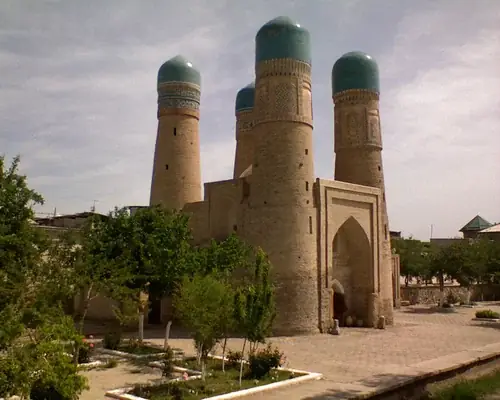
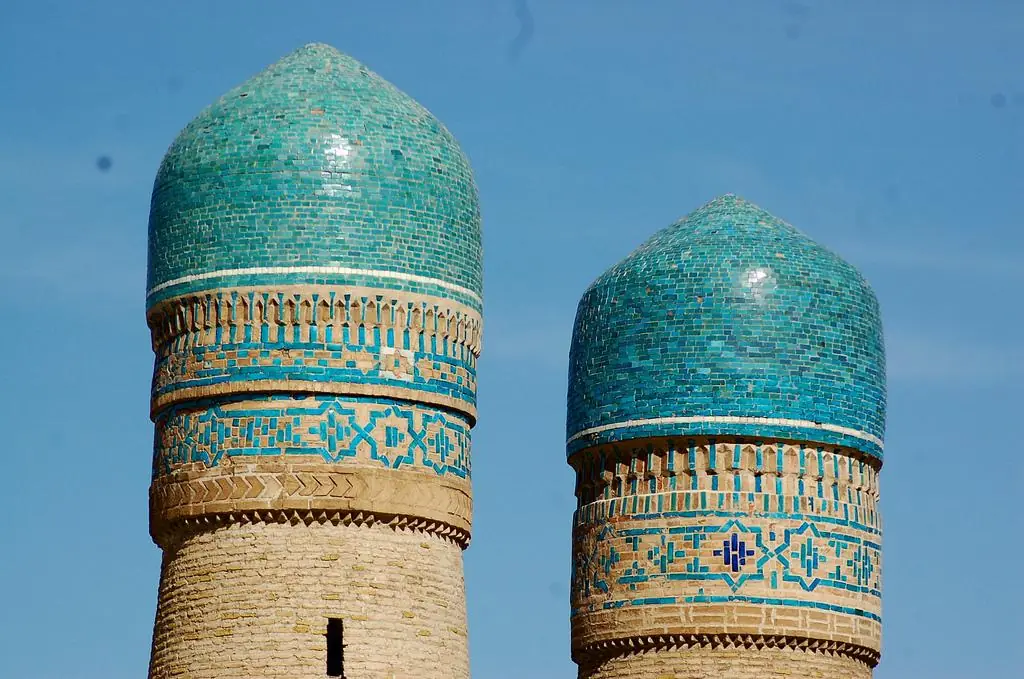
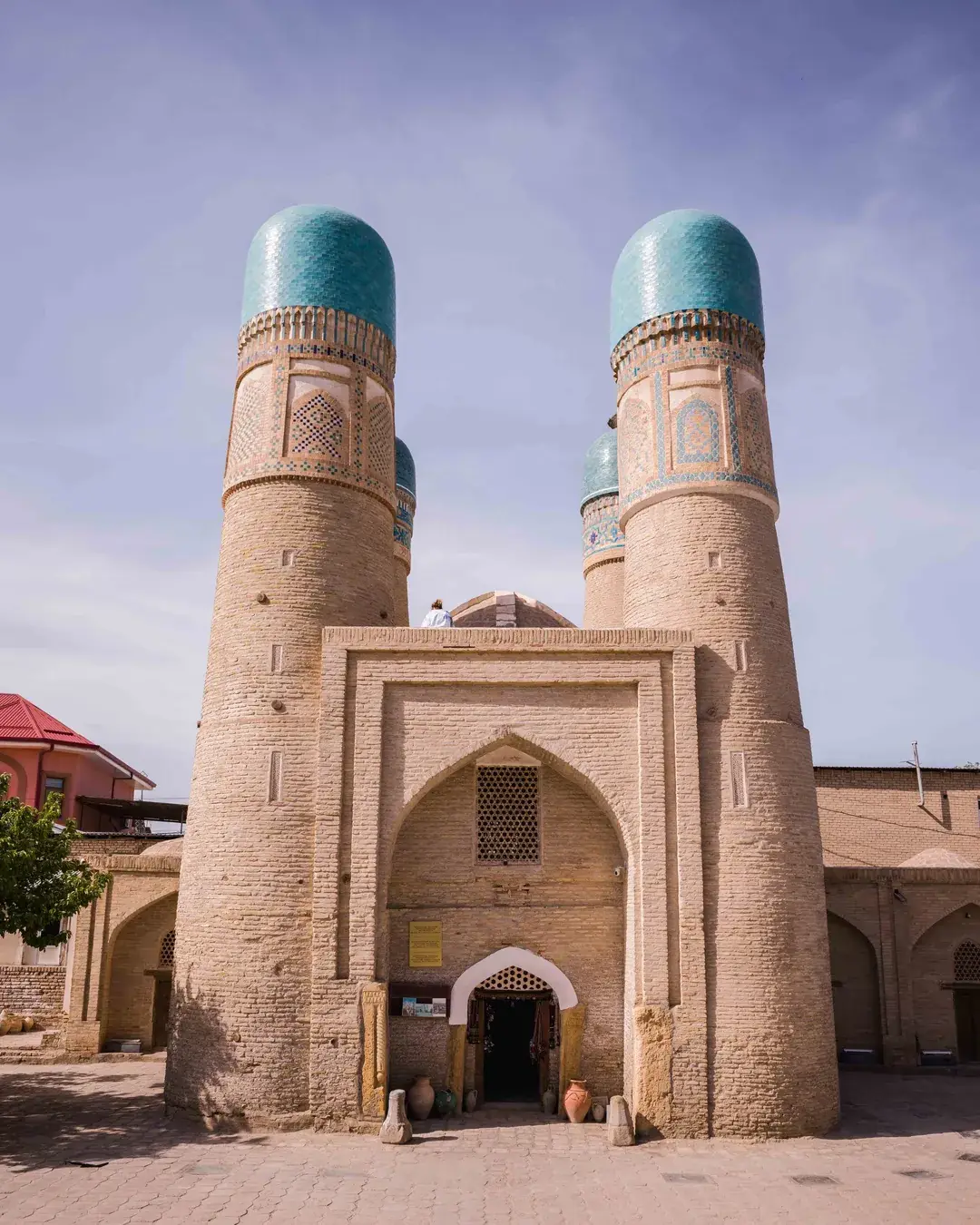
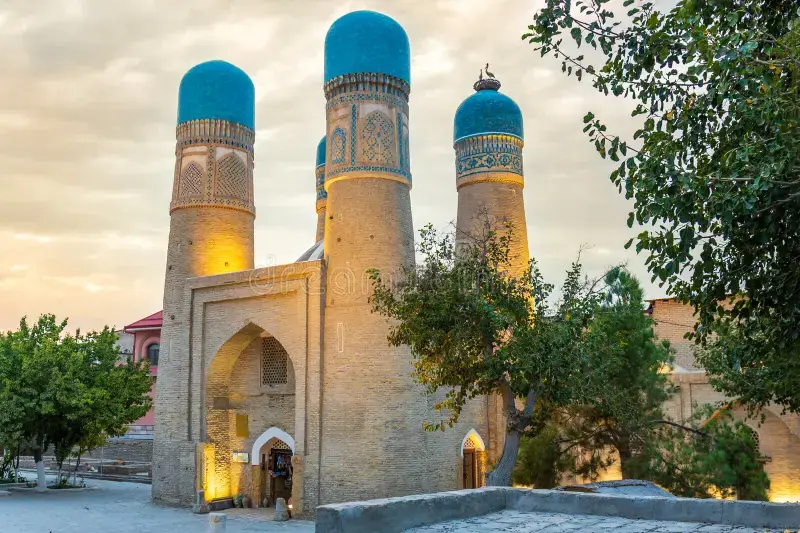
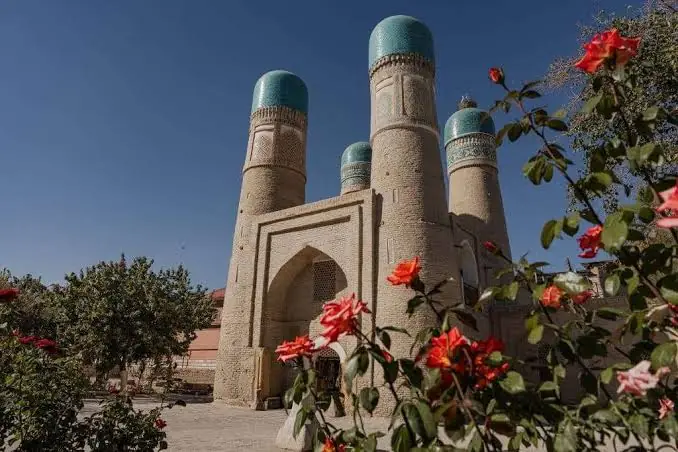
Chor Minor is one of Bukhara's most distinctive architectural treasures and one of the city's most photographed historical landmarks. Famous for its four elegant towers crowned with brilliant blue domes, this remarkable monument stands apart from every other building in Bukhara. Although modest in size compared to the city's grand mosques and madrasas, its unusual appearance, fascinating history, and peaceful surroundings have made it an enduring symbol of the ancient Silk Road city. Hidden within the narrow streets of the historic quarter, Chor Minor offers visitors a unique opportunity to experience a different side of Bukhara's rich cultural heritage.
The name "Chor Minor" comes from the Persian language and means "Four Minarets." Constructed in the early nineteenth century, the monument originally served as the monumental entrance to a madrasa complex commissioned by the wealthy merchant Khalif Niyazkul. While most of the surrounding educational complex has disappeared over time, the beautifully preserved gateway with its four towers continues to captivate visitors with its graceful proportions, decorative brickwork, and striking turquoise domes that create one of the most recognizable skylines in Bukhara.
Today, Chor Minor remains one of Bukhara's most charming attractions, combining historical significance with architectural elegance and a tranquil atmosphere. Visitors can wander through the surrounding traditional neighborhoods, browse local handicraft workshops, and admire one of the city's most iconic monuments from every angle. Whether you are passionate about history, architecture, photography, or simply wish to discover one of Uzbekistan's hidden gems, Chor Minor promises a memorable experience that perfectly reflects the timeless beauty and cultural spirit of historic Bukhara.
A Journey Through History
The history of Chor Minor began in the early nineteenth century, around 1807, when the wealthy Bukharan merchant and philanthropist Khalif Niyazkul commissioned the construction of a new madrasa complex. Having traveled extensively across Central Asia, Persia, and the Indian subcontinent, he wished to create an educational institution that reflected both Islamic scholarship and the diverse architectural influences he had encountered during his journeys. The structure known today as Chor Minor originally served as the monumental entrance gateway to this larger religious and educational complex.
Although the madrasa itself gradually disappeared over time due to natural deterioration and urban changes, its remarkable entrance survived the passing of more than two centuries. The four distinctive towers quickly became one of Bukhara's most recognizable architectural features, standing as a silent witness to the city's vibrant commercial, cultural, and religious life during the final years of the Emirate of Bukhara. Unlike many monumental buildings constructed for rulers, Chor Minor reflects the important role that wealthy merchants played in supporting education, architecture, and public life along the Silk Road.
Throughout its history, Chor Minor has attracted historians, architects, photographers, and travelers fascinated by its unusual design and mysterious appearance. Various legends have emerged regarding the symbolic meaning of its four towers, although historical records provide no definitive explanation for their design. This blend of documented history and local folklore has only increased the monument's appeal, making it one of the most intriguing landmarks in Bukhara's historic center.
Today, Chor Minor has been carefully preserved as part of Bukhara's rich architectural heritage and continues to welcome visitors from around the world. Surrounded by traditional neighborhoods, artisan workshops, and peaceful streets, the monument offers a unique opportunity to step back in time and appreciate one of the city's most distinctive historical treasures. Its elegant proportions, fascinating past, and enduring beauty ensure that Chor Minor remains one of the unforgettable highlights of every journey through ancient Bukhara.
An Architectural Marvel
The defining feature of Chor Minor is undoubtedly its four towers. At first glance they appear identical, yet a closer look reveals subtle differences in their decorative details and ornamental patterns. This small variation between the towers gives the monument a refined, one-of-a-kind character rather than a rigid, mechanical symmetry.
The pale blue domes rise gracefully against the sky above Bukhara, creating a particularly striking sight on clear, sunny days. Combined with whitewashed walls, finely fired bricks, and delicate ornamental touches, the structure captures the elegance and refinement so characteristic of Eastern architecture.
Compared to the grand madrasas and mosques found elsewhere in the city, Chor Minor is modest in scale, and it is precisely this compact form and balanced proportion that sets it apart from Bukhara's larger monuments. This simplicity, paired with quiet elegance, is what gives Chor Minor its unmistakable charm.
Why Visit Chor Minor?
Chor Minor is one of Bukhara's most photogenic and peaceful historical sites, offering visitors a quieter, more intimate encounter with the city's past.
A visit here allows you to:
See one of Bukhara's most unusual architectural monuments up close.
Admire a rare structure crowned with four distinctive blue domes.
Wander through the surrounding historic neighborhoods and soak in the atmosphere of old Bukhara.
Photograph one of the city's most iconic and frequently captured landmarks.
Browse nearby workshops selling handmade crafts and souvenirs from local artisans.
Enjoy a calm, unhurried atmosphere just a short distance from the city's busier center.
History and Symbolic Meaning
Chor Minor is appreciated not only as an architectural monument but also as a structure often associated with the blending of different cultures. Some researchers have suggested that its four towers may represent the four corners of the world, or symbolize friendship and unity among different peoples. While this interpretation is not confirmed by historical documentation, the monument's distinctive form continues to spark curiosity and a wide range of impressions among the travelers who visit it.
Best Time to Visit
Chor Minor can be visited at any time of the year. The most comfortable seasons are spring (March–May) and autumn (September–November), when Bukhara's weather is mild and pleasant for walking around the city.
In the morning hours and just before sunset, the monument's blue domes glow especially vividly in the sunlight, making these the best times of day for photography.
Interesting Facts
Chor Minor was built in the early 19th century.
Its name literally translates to "Four Minarets."
Each of the four towers carries its own distinct decorative details.
The structure originally served as the entrance gate to a madrasa complex.
Chor Minor is one of the most frequently photographed historical sites in Bukhara.
Its blue domes are considered one of Bukhara's most recognizable architectural symbols.
Travel Tips
Set aside about 30–45 minutes to fully take in Chor Minor.
Visit in the morning or evening for fewer crowds and better lighting for photos.
Take time to stroll through the surrounding historic streets on foot.
Take the opportunity to browse handmade goods crafted by local artisans nearby.
Combine your visit with Lyabi Hauz and the Poi Kalyan Complex for a well-rounded day of sightseeing.
Final Thoughts
Chor Minor is one of Bukhara's most graceful and distinctive historical monuments, its four blue domes adding a special charm to the city's ancient skyline. Despite its modest size, the structure embodies a rich history, refined craftsmanship, and a tranquil setting all in one. For travelers who wish to look beyond Bukhara's grandest landmarks and uncover some of its quieter, hidden beauty, Chor Minor is a place that leaves a lasting impression.
Ready to discover Chor Minor and the hidden charms of Bukhara? Let Lapis Lazuli Tours guide you through the city's rich history and cultural treasures with a smooth and unforgettable travel experience.
📞 Phone: +998 97 397 37 73
📧 Email: lapislazulitours@gmail.com