



Andijan
Welcome to Andijan
Discover the easternmost major city of the Fergana Valley, a densely populated, hard-working corner of Uzbekistan best known as the birthplace of Babur, founder of the Mughal Empire. Explore Babur Park and its literary museum, the busy stalls of Jahon Bazaar, the city's largest Friday mosque, and the surrounding farmland that has made Andijan Region one of the most productive corners of the country, all part of a city more industrious than monumental, and often overlooked by travelers focused on the valley's older craft towns. Your complete travel guide to Andijan.
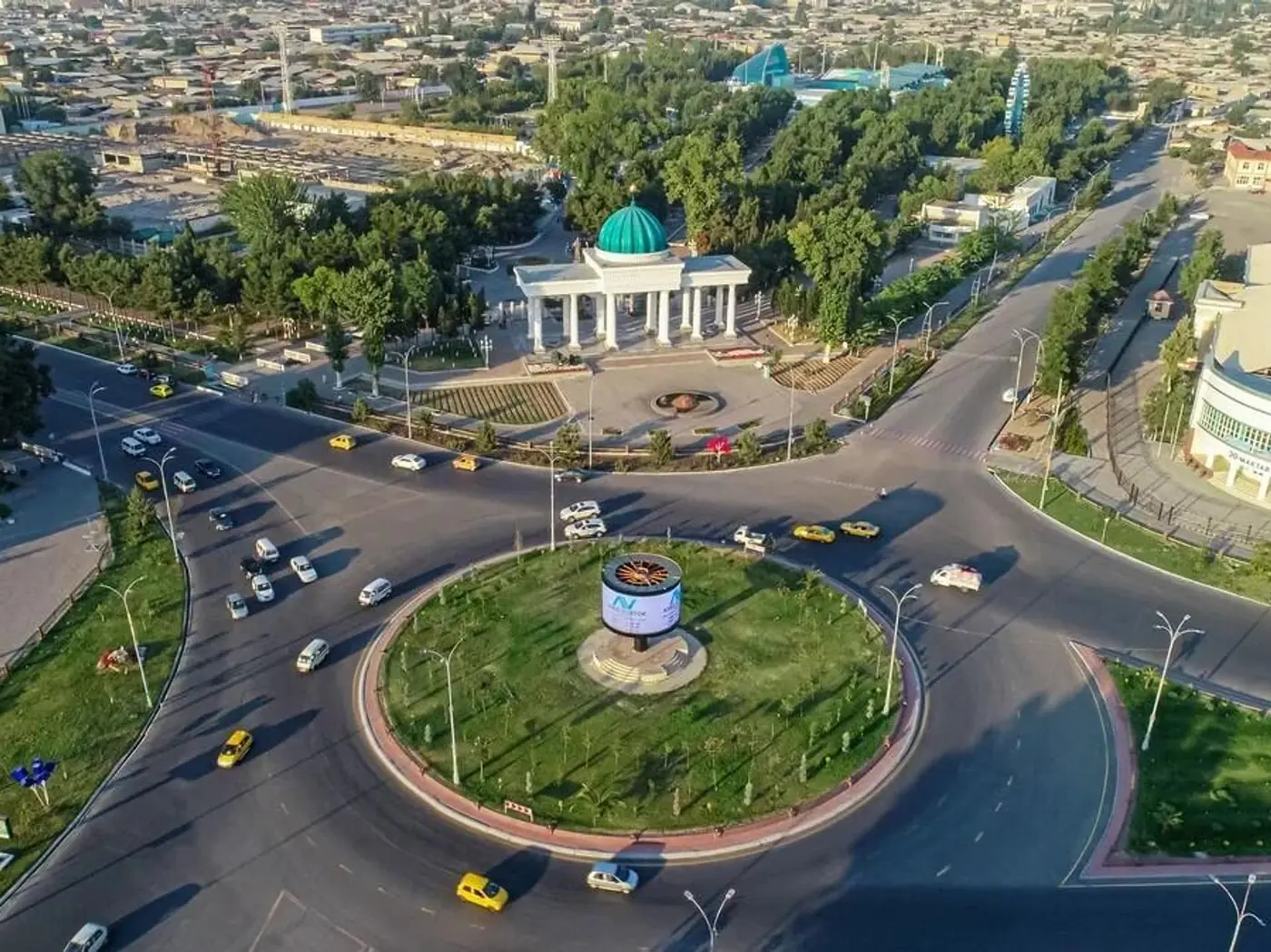
Located at the eastern edge of the Fergana Valley, close to the border with Kyrgyzstan, Andijan has been settled since at least the early medieval period and once served as the capital of the historic Fergana principality. Unlike Khiva or Bukhara, much of Andijan's older architecture was lost in a devastating earthquake in 1902, and the city rebuilt itself over the twentieth century as a modern regional center rather than preserving a fully intact old town, giving it a character shaped more by continuity of use than by carefully preserved monuments.
A visit to Andijan today feels closely tied to the rhythm of the Fergana Valley's daily economic life. As the most densely populated region in Uzbekistan and a center of the country's automotive and textile industries, the city combines a genuinely local, unpolished energy with a handful of meaningful historic and cultural sites, from Babur's memorial park to the valley's oldest surviving mosque architecture. Comfortable hotels, straightforward transport links, and a manageable size make Andijan an easy, low-key stop for travelers curious about the valley beyond its more famous craft towns.
Basic Information
Travel Information
Why Visit Andijan?
Andijan offers travelers a direct look at the Fergana Valley's working economy, from its automotive and textile industries to its dense farmland and busy local markets, rather than a curated circuit of restored monuments. It is a city defined more by daily life and industry than by grand architecture, appealing to travelers who want to understand the valley beyond its historic showcases.
As the birthplace of Babur, founder of the Mughal Empire, Andijan holds a unique place in Central Asian history, commemorated today through Babur Park and its literary museum. Combined with its role as a major regional trade and transport hub, the city works well both as a destination in its own right and as a starting point for exploring the eastern Fergana Valley toward the Kyrgyzstan border.
What Makes Andijan Truly Special
The birthplace of Babur, founder of the Mughal Empire, commemorated at Babur Park and its literary museum.
The most densely populated region in Uzbekistan, with a strong agricultural and industrial economy.
Home to one of the Fergana Valley's largest Friday mosques and a lively central bazaar.
A major center of Uzbekistan's automotive industry, reflecting the city's modern economic role.
A convenient gateway to the eastern Fergana Valley and the nearby Kyrgyzstan border.
A city shaped by continuity and everyday commerce rather than preserved royal monuments.
History of Andijan
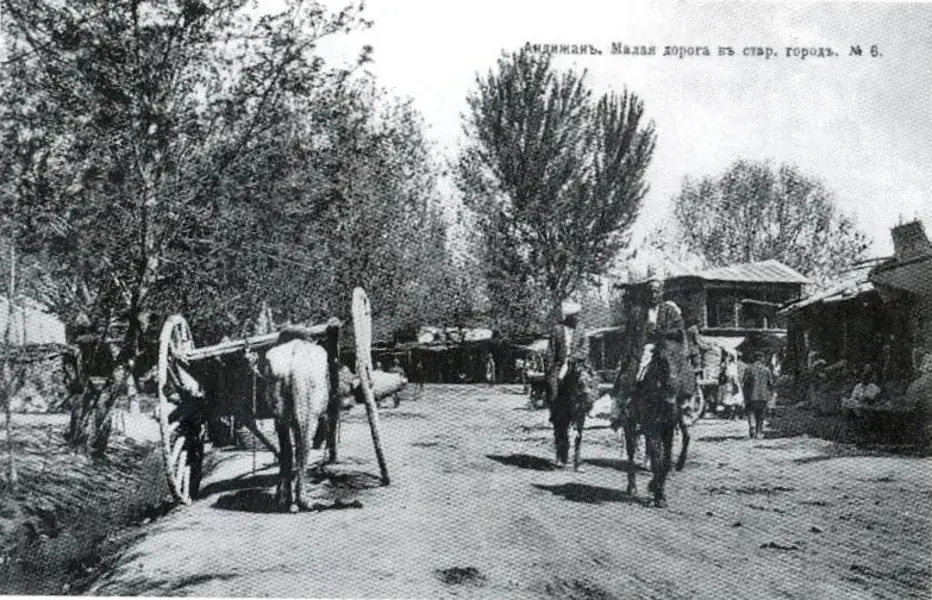
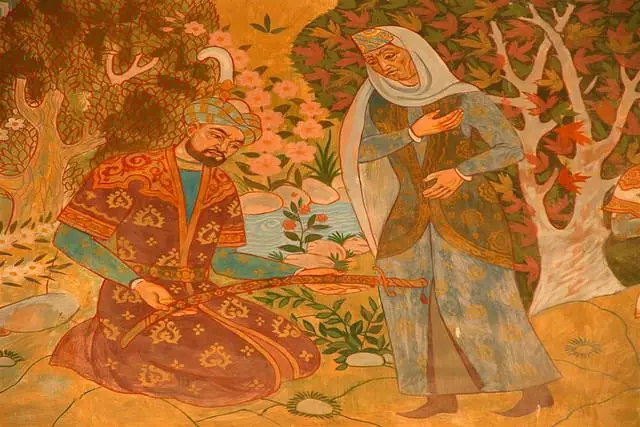
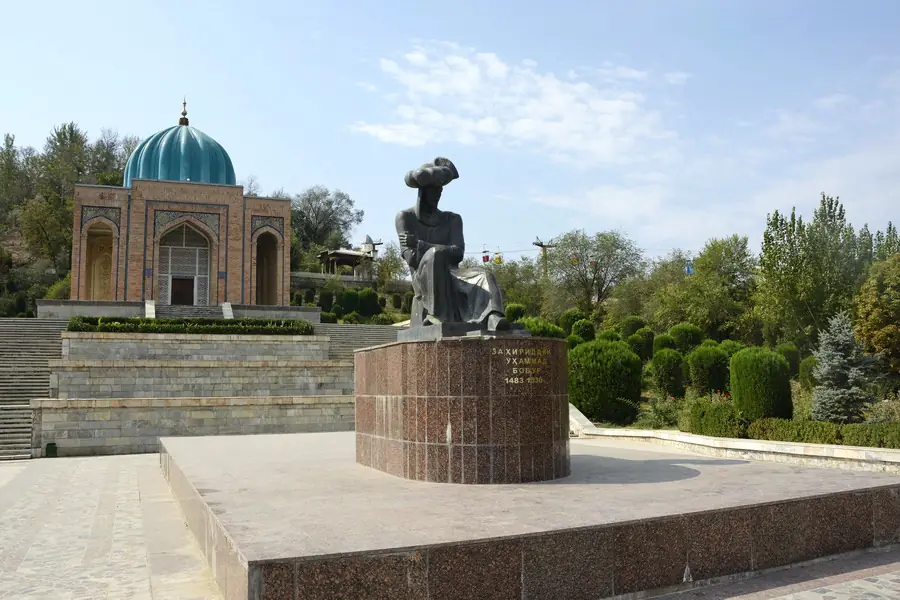
Andijan's history stretches back to at least the early medieval period, with the city developing along important trade routes crossing the eastern Fergana Valley. By the medieval era, Andijan had grown into the capital of the historic Fergana principality, and it is remembered today above all as the birthplace, in 1483, of Zahiriddin Muhammad Babur, the poet, memoirist, and conqueror who would go on to found the Mughal Empire in South Asia.
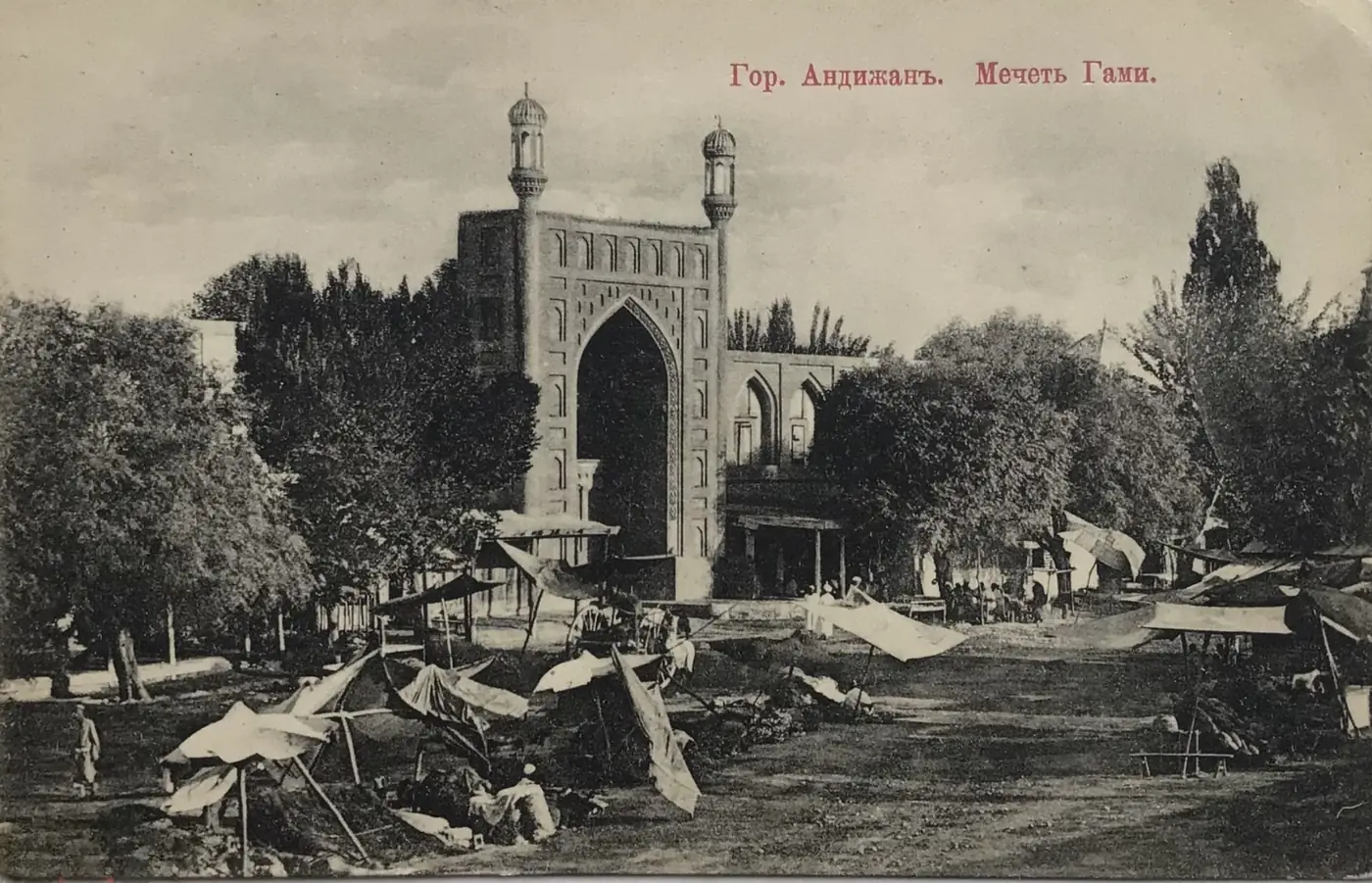
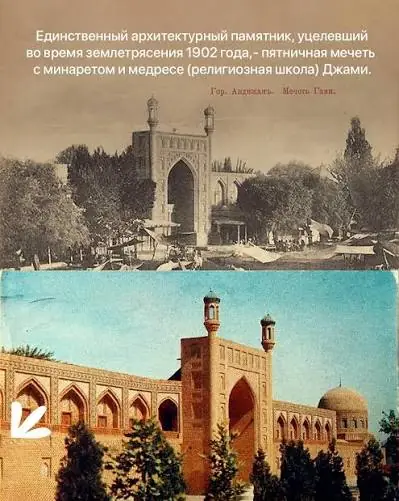
Through the centuries that followed, Andijan continued to develop as an agricultural and commercial center within the wider Fergana Valley, passing through the hands of successive regional powers, including the Khanate of Kokand, as trade and irrigated farming shaped its economy. Much of the city's older architectural heritage, however, was lost in a severe earthquake in 1902, which devastated large parts of the old town and led to significant rebuilding in the decades that followed.
Today, Andijan is one of the most densely populated regions of Uzbekistan and a major center of the country's automotive and textile industries, its modern growth driven by cotton cultivation, industrial development, and its position as a key transport link toward the Kyrgyzstan border. While it holds fewer grand historic monuments than its neighbors, its identity as Babur's birthplace and its role in the valley's agricultural and industrial economy give the city a distinct and continuing significance.
Geographical Location of Andijan
Andijan sits at the eastern edge of the Fergana Valley, close to the foothills that mark the border with Kyrgyzstan, and within a densely irrigated stretch of farmland fed by the valley's network of rivers and canals. The city lies at a relatively low elevation for the region, benefiting from the same warm, fertile microclimate found across the valley, framed by mountains on several sides.
Andijan Airport offers domestic flights connecting to Tashkent, while road links via the Kamchik Pass tunnel and regional highways connect the city to the rest of the Fergana Valley and onward to the capital. Its position at the valley's eastern edge, close to the Kyrgyzstan border, makes it a practical stop for travelers continuing on toward Osh or exploring the wider eastern Fergana Valley.
Traditional Cuisine of Andijan
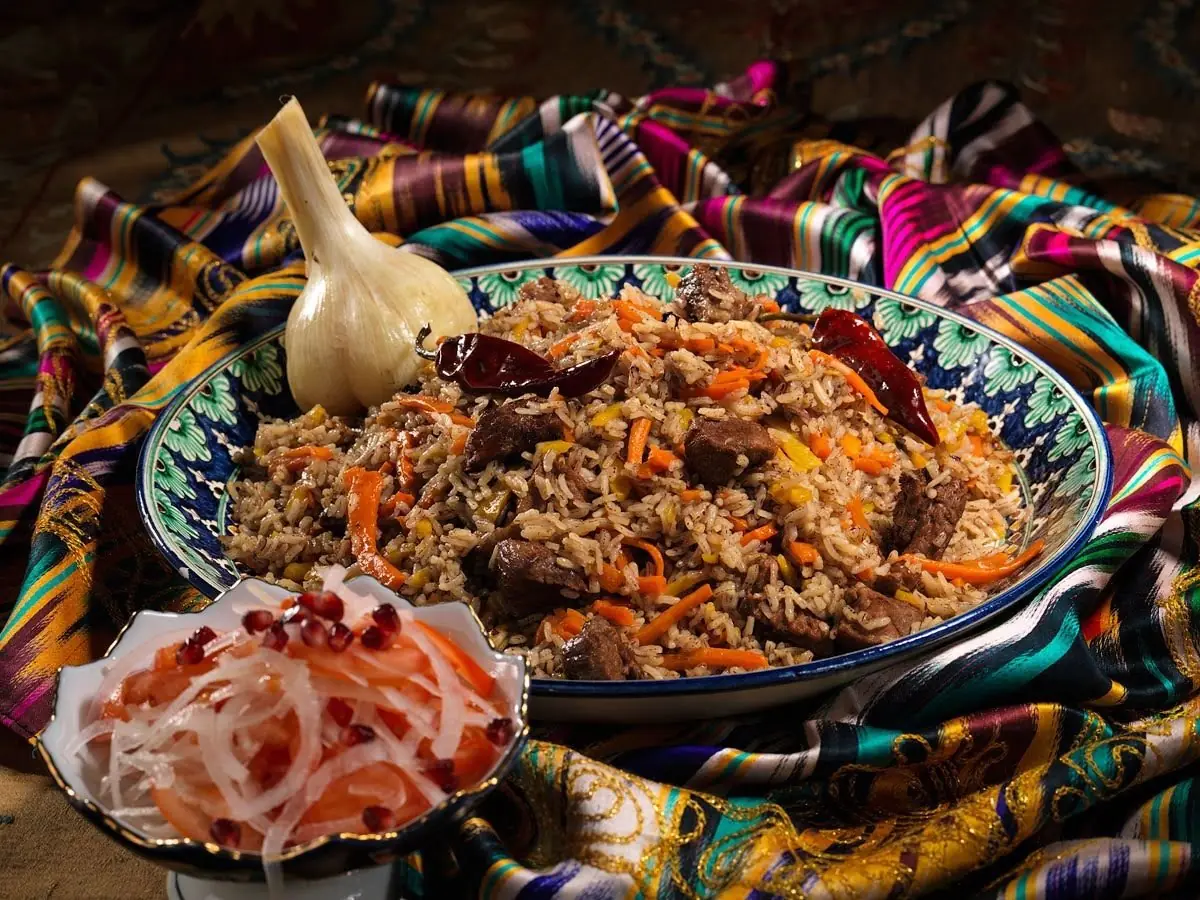
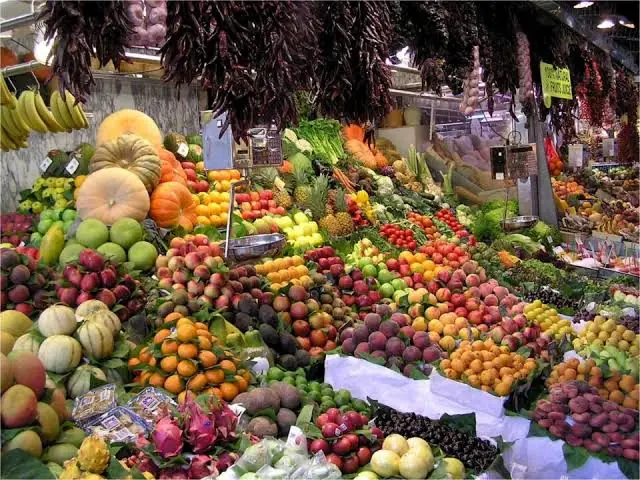
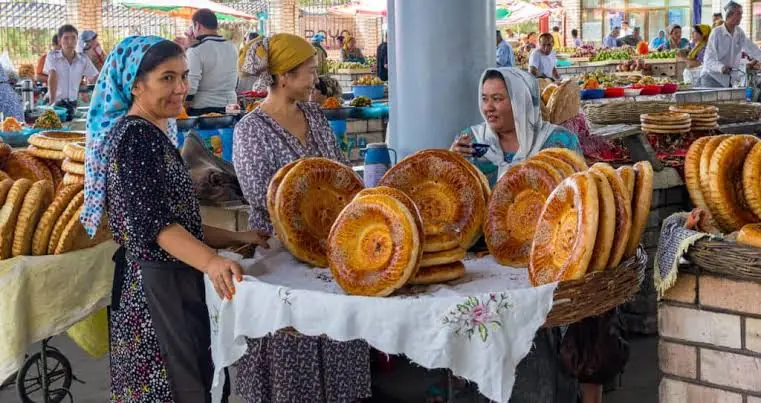
Like the rest of the Fergana Valley, Andijan benefits from rich, well-irrigated farmland, and its cuisine draws heavily on fresh local produce alongside Uzbekistan's staple dishes. Visitors can try Andijan-style plov, hearty lagman noodle soup, freshly baked non bread sold throughout Jahon Bazaar, skewers of shashlik grilled over open coals, and the valley's celebrated melons, grapes, and dried fruit. Meals here tend to be generous and closely tied to the produce of the surrounding fields and orchards.



Best Time to Visit
The best time to visit Andijan is during late spring (April–June) and early autumn (September–October), when temperatures are comfortable for walking through the bazaar and the surrounding orchards are either in bloom or heavy with ripening fruit. Summers can be quite hot in the valley, while winters bring a noticeable chill down from the surrounding mountains.
Andijan Airport connects the city to Tashkent with regular domestic flights, and road connections via the Kamchik Pass link it to the capital and the rest of the country. Its position at the eastern edge of the Fergana Valley also makes it easy to combine with day trips to Fergana city and the valley's other craft towns.
Andijan Awaits You
Step into the working heart of the eastern Fergana Valley, where busy bazaars, Babur's memorial park, and orchard-lined roads offer a grounded, unpolished look at daily life in Uzbekistan's most densely populated region. Wander through Jahon Bazaar, visit the birthplace legacy of Babur, and use the city as a relaxed base for exploring the valley's eastern reaches. Andijan rewards travelers looking for authenticity and history intertwined with everyday life.
Ready to explore Andijan? Let Lapis Lazuli Tours craft an unforgettable journey through this industrious corner of the Fergana Valley. Contact our travel specialists today and begin planning your perfect adventure.
📞 Phone: +998 97 397 37 73
📧 Email: lapislazulitours@gmail.com
Homage to a Poet-King on the Hill of Winds
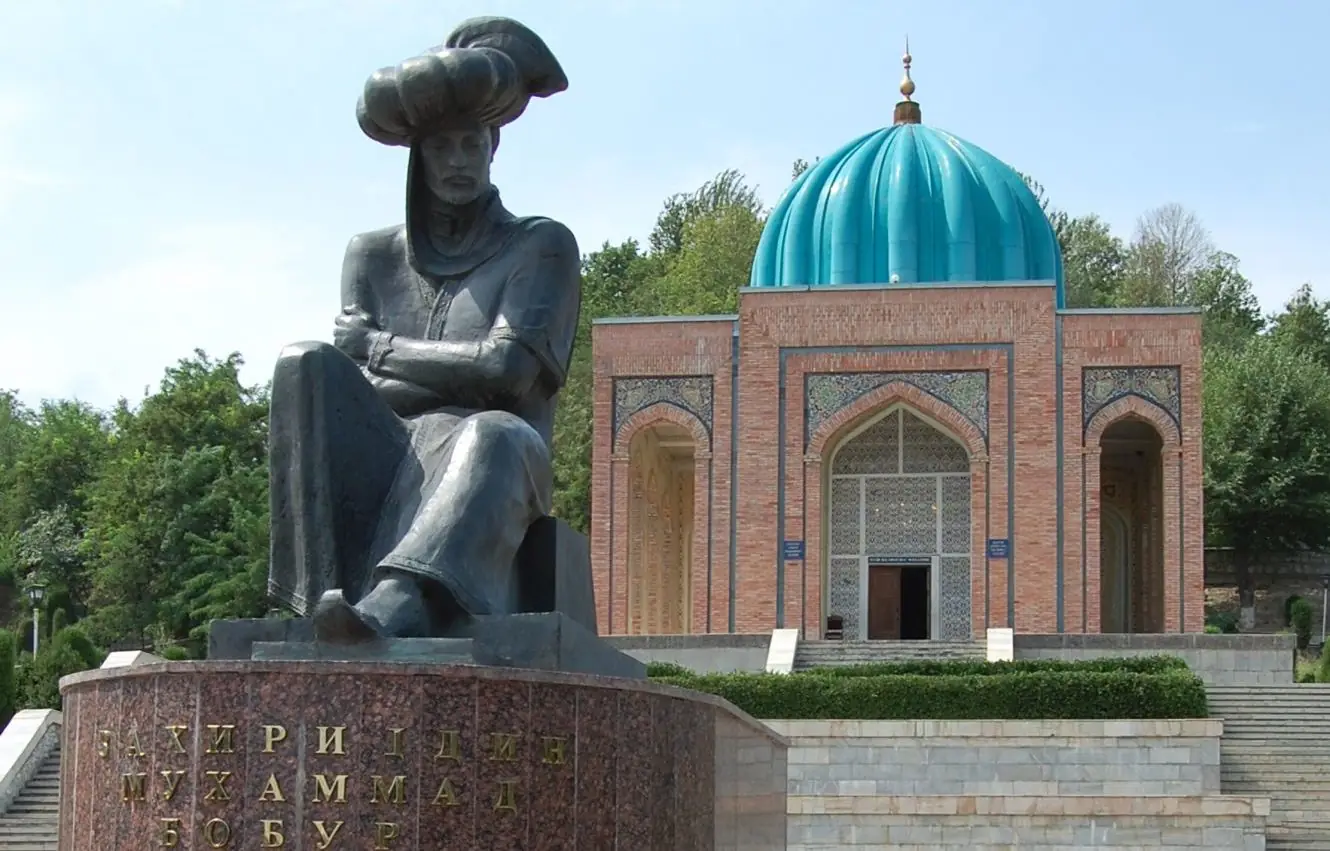
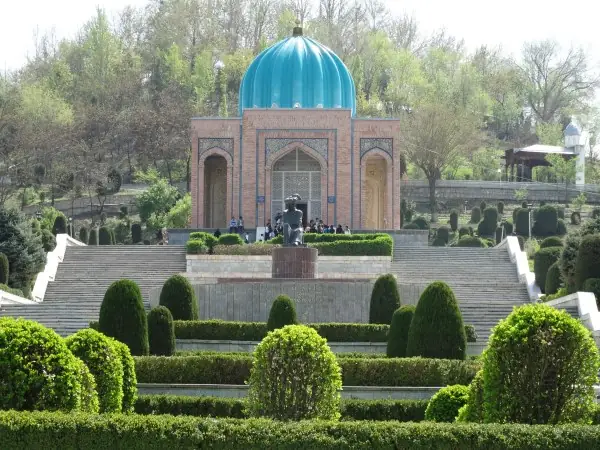
Set atop the breezy Bogʻishamol hill on Andijan's southeastern outskirts, the Babur House Museum forms the centerpiece of a wider memorial park dedicated to the city's most celebrated native son, Zahiriddin Muhammad Babur — poet, memoirist, military commander, and founder of the Mughal Empire that would rule much of the Indian subcontinent for more than three centuries after his death. Few figures loom as large in Uzbekistan's cultural memory, and nowhere is that legacy honored more directly than on this hillside overlooking the city of his birth.
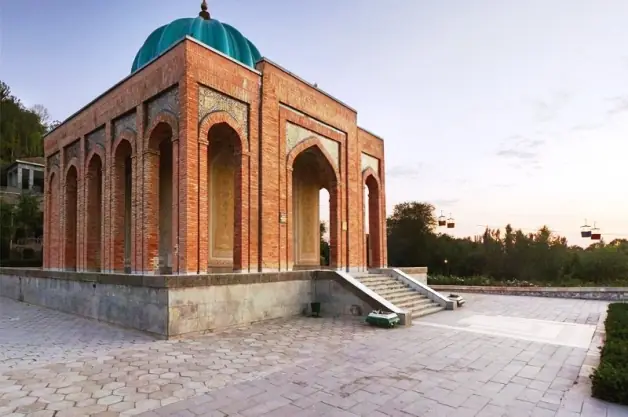
The museum sits within a landscaped memorial complex rather than standing alone: manicured alleys lined with dozens of fruit and ornamental tree varieties from around the world lead visitors past a symbolic mausoleum toward the museum building itself, an ensemble that functions equally as a place of quiet reflection and as a dedicated repository of Babur-era manuscripts, artwork, and personal artifacts.
For visitors tracing Babur's extraordinary journey from a young Fergana prince to the founder of an empire stretching across South Asia, the house museum offers a rare chance to stand where his own writings say he once stood — looking out over Andijan from the very hill he described in his memoirs before leaving his homeland for the last time.
From a Hilltop Retreat to a National Memorial
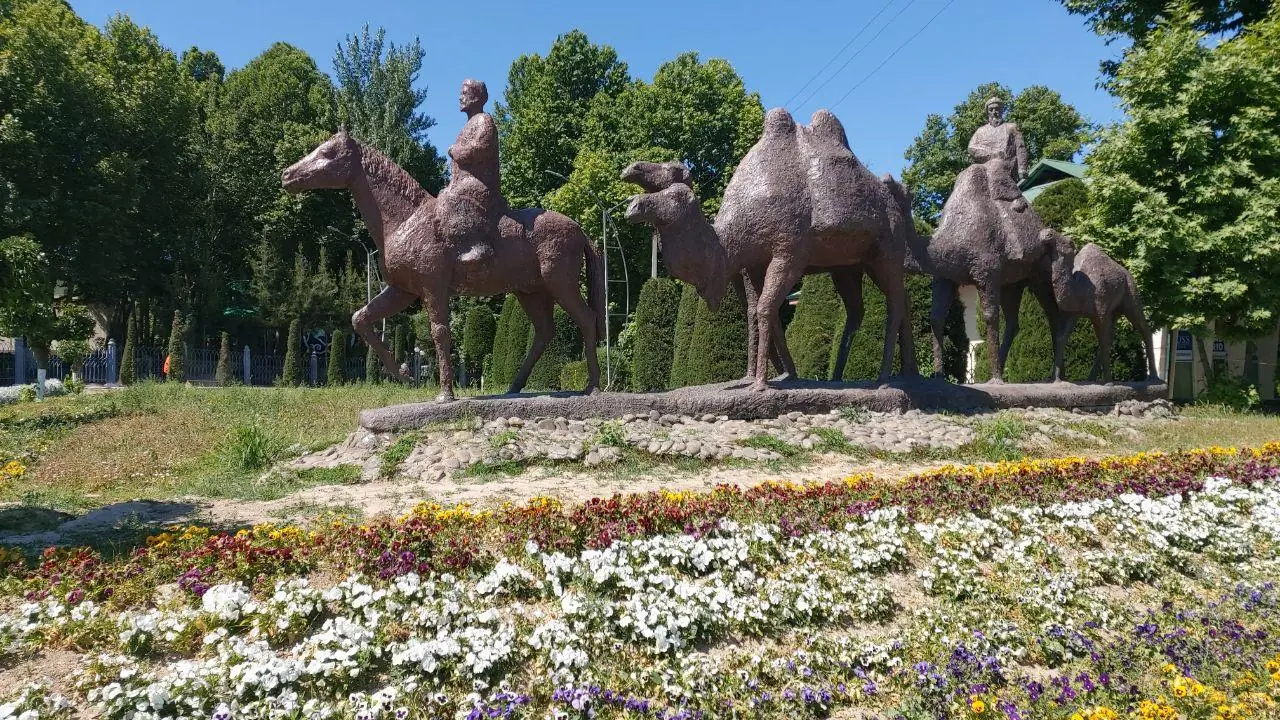
The story of the site begins long before the museum itself, in Babur's own memoir, the Baburnama. According to his account, the Andijan architect known as mavlono Fazliddin was commissioned to build a small garden pavilion — a khujra with an aivan porch — on the summit of Bogʻishamol hill, a retreat where the young ruler would come to rest, reflect, and take in sweeping views over the city below. That original pavilion has not survived, but Babur's description of it fixed the hill permanently in the region's collective memory.
Babur's own writings note that he visited this hilltop garden one final time before leaving Andijan for good, setting out on the campaigns that would eventually carry him through Kabul and into India, where he would establish the Mughal dynasty. That farewell visit is precisely why, centuries later, this particular hill — rather than any other site associated with him — was chosen as the location for his memorial.
The modern memorial complex took shape in the decades following Uzbekistan's independence, when the park, the museum building, and a symbolic burial vault were constructed together on the hill. In 1993, a marble mausoleum was installed at the heart of the complex, into which earth carried from Agra and Kabul — the city where Babur died and the city where, per his own wish, his remains were ultimately laid to rest — was symbolically interred, connecting Andijan directly to the two farthest points of his life's journey.
Since its opening, the museum and park have become one of the most visited sites in the Fergana Valley, drawing not only tourists but scholars, students, and admirers of Babur's literary legacy from across Uzbekistan and beyond, particularly around February 14, when the country marks the anniversary linked to his memory each year.
A Park, a Memorial, and a Museum in One
Babur Memorial Park
An ornamented archway painted in traditional Central Asian style marks the entrance to the memorial grounds, opening onto alleys shaded by more than fifty varieties of fruit and decorative trees gathered from different corners of the world. The park's layout is designed less as an ordinary city garden than as a contemplative approach to the memorial at its center, giving visitors space to reflect before reaching the museum itself.
The Symbolic Mausoleum
At the heart of the park stands a marble memorial vault built in 1993, into which earth from both Agra, where Babur died, and Kabul, his final resting place, was ceremonially walled in. Because Babur's actual grave lies far from Andijan, this symbolic tomb allows his native city to physically honor him despite the vast distance separating Andijan from where he is buried.
The House-Museum Building
Built of traditional baked brick in a style echoing regional residential architecture, the museum building is arranged around a small central courtyard, with a veranda running along its rear elevation. Inside, exhibition rooms hold paintings depicting scenes from Babur's life, a genealogical chart tracing the Timurid-Baburid line, embroidered suzani textiles, ceramics, and a collection of arms associated with the era, alongside manuscripts and rare editions connected to Babur's own literary output.
A Literary and Family Legacy on Display
Where many house-museums focus narrowly on a single historical figure, Babur's museum in Andijan widens its lens to the entire literary dynasty he founded. Exhibits trace not only Babur's own writing — most famously the Baburnama, one of the earliest and most celebrated autobiographical works in Islamic literature — but also the creative output of several of his descendants, several of whom inherited his gift for poetry and prose.
Among the museum's most treasured holdings are items connected to Babur's own daughter, whose surviving writings are displayed alongside her father's, offering visitors a rare look at a Central Asian ruling family in which literary talent ran through multiple generations. Alongside these literary artifacts, cases of miniature paintings, decorative gifts once exchanged between rulers, and elaborately embroidered textiles round out a picture of court life during the Baburid era.
A separate section of the museum's holdings pays tribute to Nadira Begim, the celebrated 19th-century Andijan-born poetess whose personal belongings and literary works are preserved here, extending the museum's scope beyond the Baburid dynasty itself to the wider literary heritage the region has produced across the centuries.
Why Visit the Babur House Museum?
Few sites anywhere connect a single Central Asian ruler's personal story, his literary legacy, and his hometown as directly as the Babur House Museum — a place where history, memory, and landscape converge on the same hillside Babur himself once described.
During your visit, you can:
Stand on the hill Babur described in his own memoirs before leaving Andijan for the last time.
View manuscripts and rare editions connected to the Baburnama and its literary legacy.
See the symbolic mausoleum containing earth from both Agra and Kabul.
Explore artifacts connected to Babur's descendants, including his own literary daughter.
Walk through a memorial garden planted with more than fifty tree varieties from around the world.
Learn about Andijan-born poetess Nadira Begim alongside the story of the Baburid dynasty.
Best Time to Visit
Set on an elevated, breezy hillside, the memorial park is comfortable to explore for much of the year, though the surrounding gardens are at their most attractive when the fruit trees are either blossoming or bearing fruit.
The most recommended seasons are:
Spring (April–May): Blossoming trees and mild breezes make the hilltop park especially scenic.
Autumn (September–October): Cooler temperatures and ripening orchards make for a pleasant, unhurried visit.
Visiting around February 14, when Uzbekistan marks its annual tribute to Babur's legacy, offers a chance to see the memorial at its most ceremonially significant, though the site can naturally be visited comfortably at any time of year.
Interesting Facts
The memorial complex sits on Bogʻishamol hill, the very site described in Babur's own memoir, the Baburnama.
The symbolic mausoleum at the park's center was built in 1993, containing soil from both Agra and Kabul.
The museum houses a bladed weapon associated with Babur's era, dated to the 11th–13th centuries.
The park's alleys are lined with more than fifty varieties of fruit and ornamental trees from around the world.
Babur founded the Mughal Empire, which endured for more than three centuries after his death.
The museum also preserves belongings and literary works of the Andijan-born poetess Nadira Begim.
Travel Tips
Allow at least an hour to explore both the museum building and the surrounding memorial park.
Ask about guided lectures offered by museum staff for deeper context on Babur's life and legacy.
Wear comfortable shoes, as the hilltop location involves some walking through the park's alleys.
Bring a camera for the sweeping views of Andijan that first drew Babur to this hill centuries ago.
Combine your visit with Andijan's Regional Museum for a fuller picture of the Baburid legacy.
The Timeless Legacy of Babur's Homeland
Few rulers in world history left behind both an empire and a literary masterpiece as personal as the Baburnama, and few hometowns have honored that dual legacy as thoughtfully as Andijan has on Bogʻishamol hill. The museum and its surrounding park stand not merely as a tribute to military conquest, but as a monument to a man who never stopped writing about the homeland he was ultimately forced to leave behind.
Today, as his name graces universities, avenues, and libraries across Uzbekistan, the house museum on the hill remains the most intimate place to encounter Babur — not as a distant historical figure, but as a young man once standing on this very spot, looking out over the city he would spend the rest of his life remembering.
📞 Phone: +998 97 397 37 73
📧 Email: lapislazulitours@gmail.com
Honoring the Poet-Emperor Born in Andijan
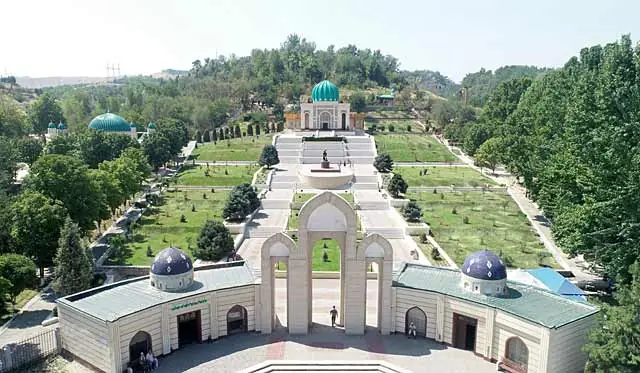
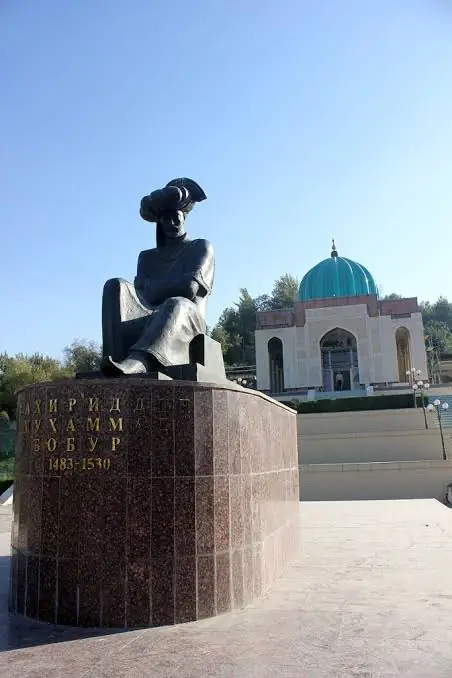
At the center of Andijan lies Babur Park, a spacious green complex built to honor Zahiriddin Muhammad Babur, the poet, memoirist, and conqueror born in this city in 1483 who would go on to found the Mughal Empire in South Asia. More than a simple monument, the park functions as the city's principal gathering place, weaving together memorial architecture, gardens, and museum space into a single tribute to one of Central Asia's most consequential historical figures.
At the heart of the complex stands the Babur Literary Museum, dedicated to his life, his writings, and his enduring legacy across two very different worlds — the Fergana Valley of his birth and the Indian subcontinent he would later rule. The museum brings together manuscripts, illustrations, and historical material that trace his journey from a young prince in Andijan to the founder of one of history's great empires.
For visitors, Babur Park offers a rare opportunity to connect directly with the origins of a figure whose influence stretched across two continents, all within the same city where his story began, making it one of Andijan's most meaningful and frequently visited sites.
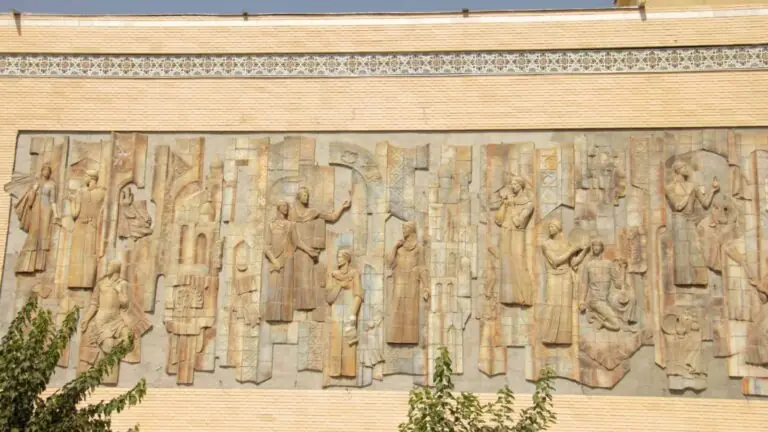
The Prince Who Became an Emperor
Zahiriddin Muhammad Babur was born in Andijan in 1483 into the Timurid dynasty, a lineage tracing back to Timur (Tamerlane) on his father's side and to Genghis Khan on his mother's. He inherited the small principality of Fergana at just twelve years old, beginning a life defined by shifting fortunes, repeated attempts to reclaim ancestral territory, and eventual conquest far from his birthplace.
After decades of struggle across Central Asia, including periods of exile and repeated attempts to hold Samarkand, Babur eventually turned south, leading his forces into the Indian subcontinent. In 1526, his victory at the First Battle of Panipat established the Mughal Empire, which his descendants would rule for centuries and which left a lasting mark on the art, architecture, and culture of South Asia.
Beyond his military and political legacy, Babur is remembered as a gifted writer, best known for the Baburnama, his candid and richly detailed memoirs, considered one of the great autobiographical works of the Islamic world and a vivid firsthand account of Central Asian and early Mughal history.
A Park Built Around a Legacy
Babur Park combines open green space with memorial architecture, giving visitors room to walk, reflect, and engage with the story of Andijan's most famous historical figure.
Inside the park, visitors can discover:
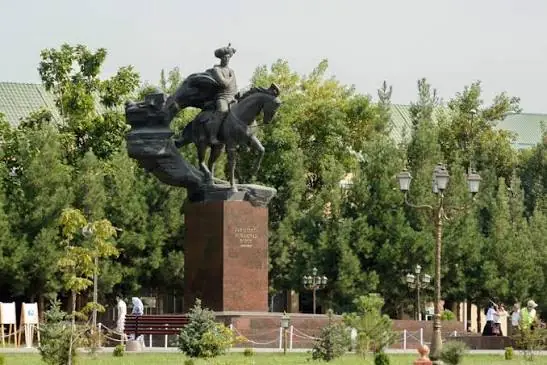
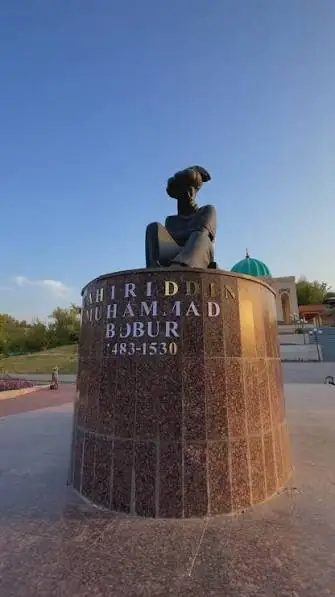
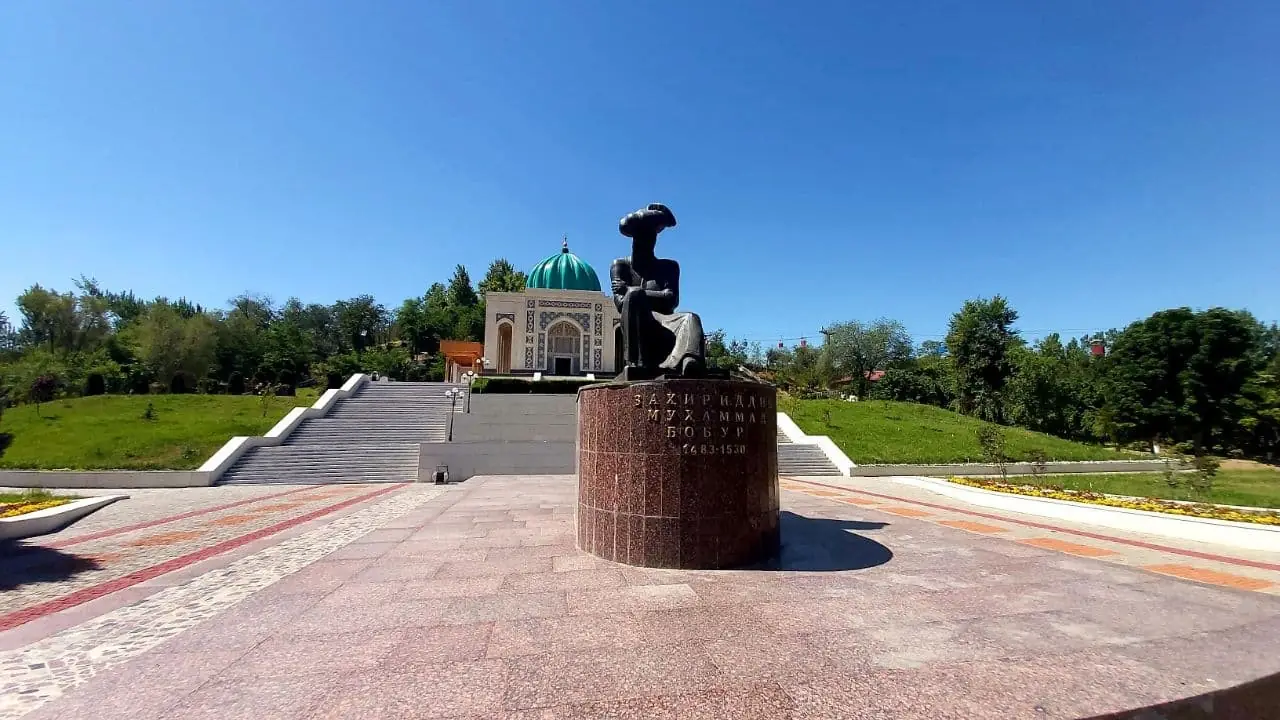
A prominent monument to Babur, serving as the visual centerpiece of the park.
The Babur Literary Museum, tracing his life, writings, and historical legacy.
Landscaped gardens and shaded walkways, popular with local residents as well as visitors.
Open plazas that serve as a gathering space for the city during public events and celebrations.
Together, these elements make Babur Park both a place of historical reflection and an active, everyday part of life in Andijan, rather than a site set apart from the city around it.
Inside the Literary Museum
The museum's exhibits are organized around the arc of Babur's life, beginning with his childhood in Andijan and the Fergana Valley before following his years of struggle, exile, and eventual conquest of northern India.
Displays include reproductions and illustrations connected to the Baburnama, offering insight into his own account of the places, people, and events that shaped his life. Visitors can trace how Babur described his homeland, his military campaigns, and the unfamiliar landscapes and customs he encountered in South Asia.
The museum also situates Babur within the wider context of Timurid and early Mughal history, helping visitors understand how a prince from a small Fergana Valley principality became the founder of one of the most influential empires in South Asian history.
Why Visit Babur Park & Literary Museum?
For travelers interested in Central Asian and South Asian history, Babur Park offers a direct connection to one of the era's most remarkable figures, at the very place his story began.
During your visit, you can:
Learn the life story of Babur, from Fergana Valley prince to Mughal emperor.
Explore museum exhibits connected to the Baburnama, one of history's great memoirs.
Walk through landscaped gardens at the heart of Andijan.
Photograph the park's central monument to Babur.
Understand the deep historical connection between the Fergana Valley and the Indian subcontinent.
A Symbol of Andijan's Historical Legacy
Babur Park stands as Andijan's clearest link to a wider world history, connecting a regional Fergana Valley city to the story of one of South Asia's most influential empires.
For Andijan, a city that lost much of its older architecture in the 1902 earthquake, Babur Park and its museum offer a way to keep the city's most significant historical legacy visible and accessible, anchoring local identity in the memory of its most famous native son.
Travel Tips for Visitors
Babur Park is centrally located and easy to combine with other stops in Andijan.
Allow around 1–1.5 hours to see both the park and the museum exhibits.
Visit in the morning or late afternoon, when the park is cooler and more comfortable for walking.
Ask a local guide about the Baburnama for added context on the museum's exhibits.
Combine your visit with nearby Jahon Bazaar and the city's central Friday mosque.
Best Time to Visit
Spring (March–May) and autumn (September–November) offer the most comfortable weather for walking through Babur Park's open grounds, avoiding the intense heat of the Fergana Valley summer.
Late afternoon visits are particularly pleasant, when the park's gardens are shaded and local residents often gather for an evening stroll.
Andijan Awaits You
Step into Babur Park and trace the story of a prince from the Fergana Valley who became the founder of an empire, in the very city where his remarkable journey first began.
Ready to explore Babur Park & Literary Museum? Let Lapis Lazuli Tours create an unforgettable journey through the history and heritage of Andijan and the Fergana Valley. Contact our travel experts today to plan your perfect adventure.
📞 Phone: +998 97 397 37 73
📧 Email: lapislazulitours@gmail.com
The Grandest Friday Mosque of the Fergana Valley
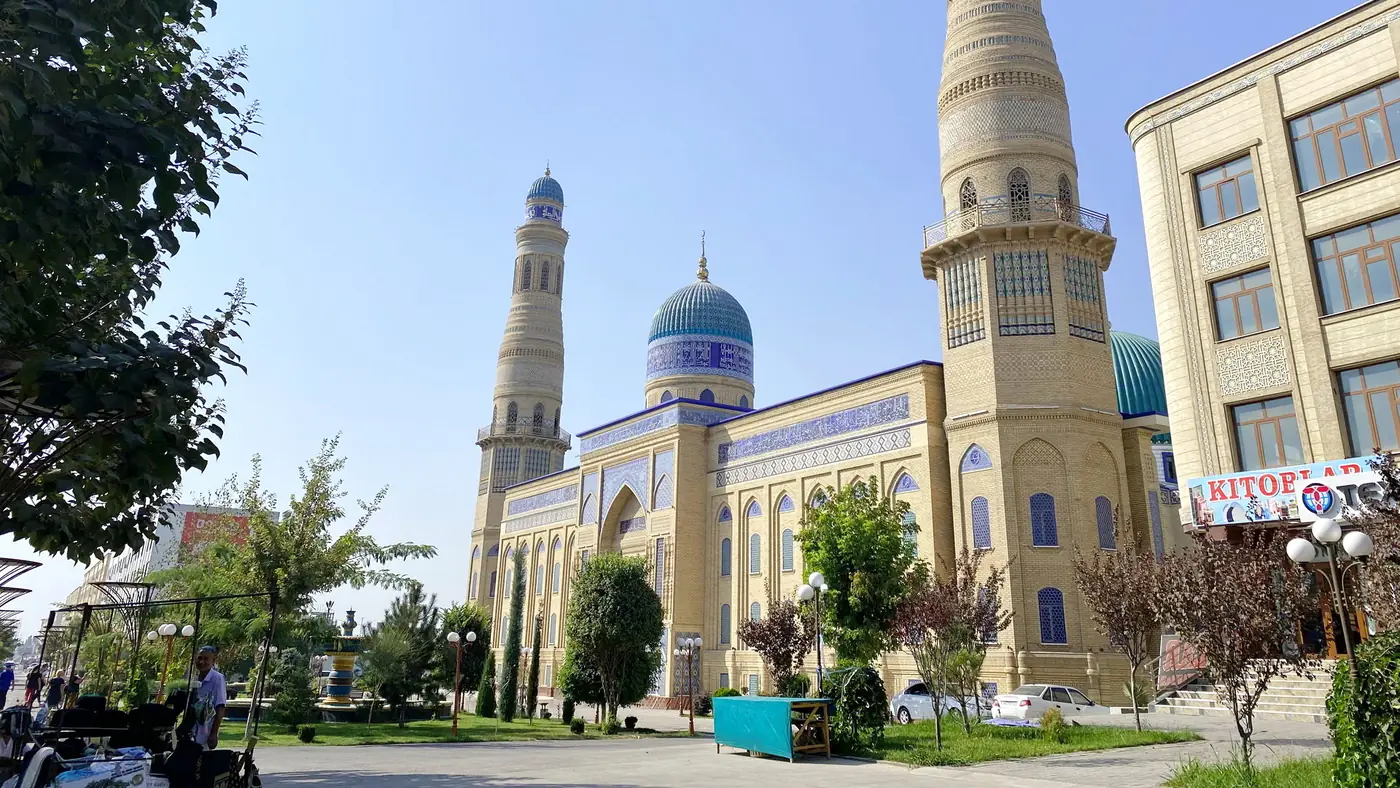
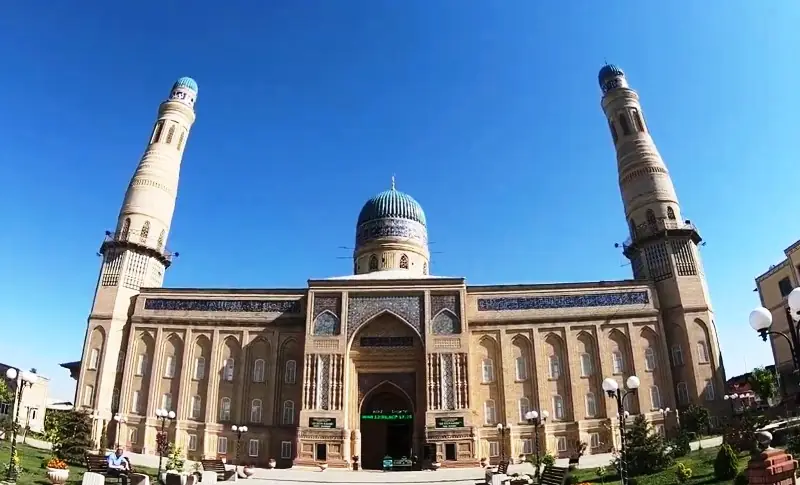
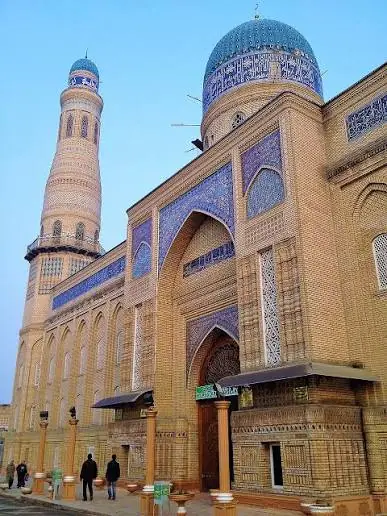
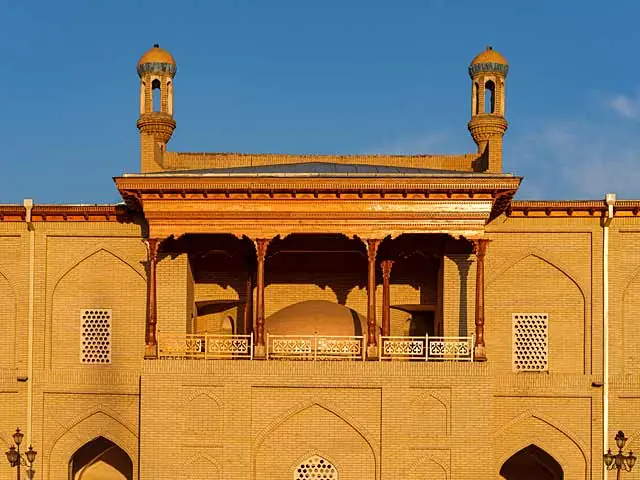
The Jome Mosque Complex is the architectural centerpiece of Andijan's old town and one of the most impressive examples of late nineteenth-century religious architecture anywhere in the Fergana Valley. Combining a working mosque, a monumental madrasah, and a soaring minaret within a single 1.5-hectare ensemble, the complex has served as the spiritual and civic heart of the city for well over a century, surviving earthquakes, political upheaval, and decades of change while remaining in continuous use.
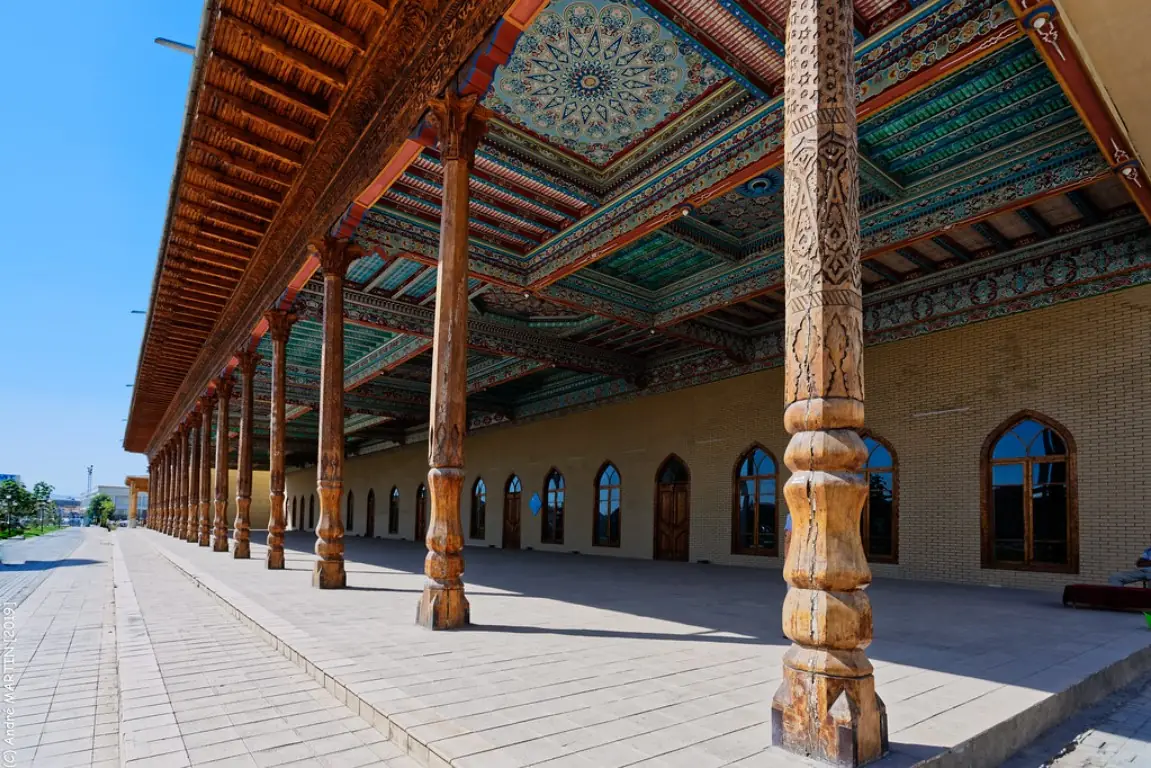
Built during the final years of local khanate rule before the region's absorption into the Russian Empire, the complex reflects a distinctly Fergana style of decoration — blue and green mosaic patterns, geometric latticework, and richly carved wooden and plaster detailing rather than the towering turquoise domes more commonly associated with Samarkand or Bukhara. Its scale alone sets it apart: the madrasah's facade stretches well over a hundred meters, making it one of the largest religious teaching complexes ever built in Central Asia.
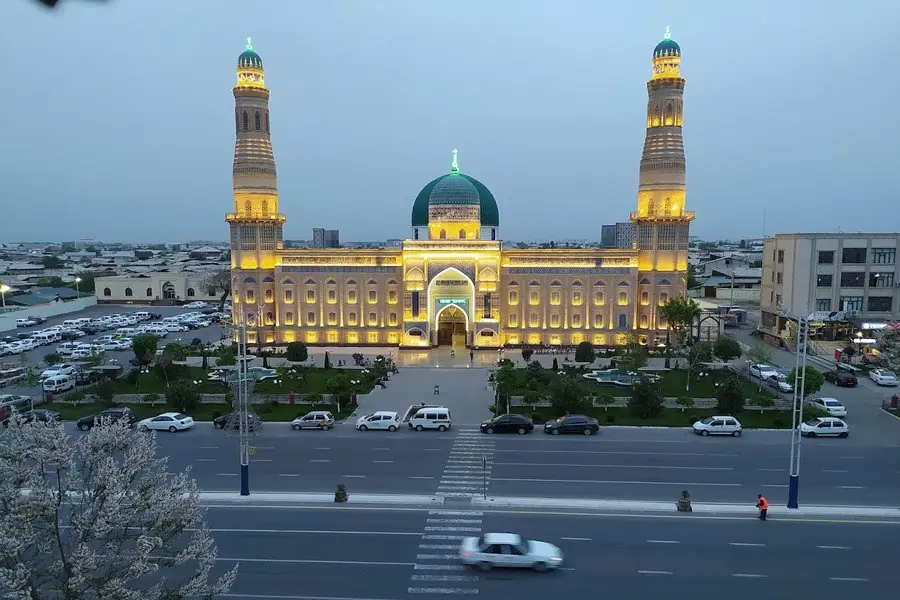
Today, the historic complex sits alongside a dramatically expanded modern mosque building, together forming one of Andijan's most significant landmarks and a rare place where nineteenth-century craftsmanship and twenty-first-century religious life exist side by side. For travelers exploring the Fergana Valley, Jome Mosque offers a striking counterpoint to the imperial monuments of Samarkand — proof that the valley's own architectural traditions produced structures of comparable ambition and beauty.
A Journey Through History
Construction of the Jome Mosque Complex began in 1883 and continued for roughly seven years, reaching completion around 1890. The project brought together local architects and craftsmen, including builders remembered in regional records as Isaxon and Yusufali Musayev, working in a period when city status in this part of Uzbekistan was formally tied to the presence of a proper congregational mosque — underscoring just how central this project was to Andijan's identity as an established urban center.
The complex was conceived as three interconnected structures arranged around shared courtyards: a mosque for Friday prayers positioned in the western section, a vast U-shaped, originally open-air madrasah for religious instruction, and a tall minaret rising from the mosque courtyard. Built in the final decades before Russian imperial administration reorganized the region, the complex represents one of the last major religious building projects undertaken under local patronage in this style before broader political changes reshaped architectural patronage across Turkestan.
In 1902, a powerful earthquake struck Andijan, devastating much of the city and destroying a great many of its historic buildings. Remarkably, the Jome Mosque complex withstood the disaster far better than most surrounding structures, a survival that has often been cited locally as a testament to the strength and skill of its original construction. This resilience helped establish the complex as one of the few tangible links to pre-earthquake Andijan.
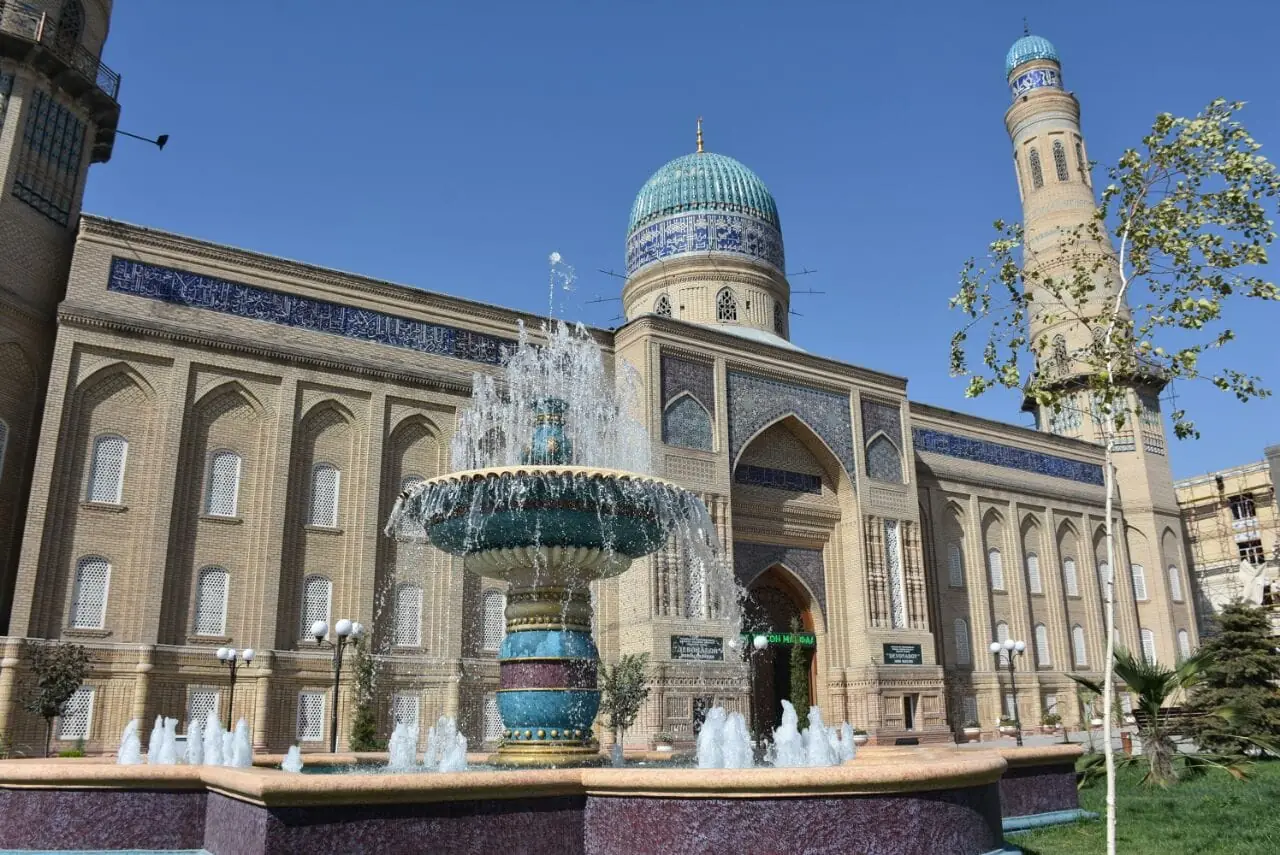
Through the twentieth century, the complex underwent several rounds of restoration, notably in the early 1970s and again around the turn of the millennium, as authorities worked to stabilize its aging brick and woodwork. In 2018, an ambitious new mosque building was constructed directly beside the historic complex, dramatically expanding capacity from around 5,000 to more than 15,000 worshippers, with its opening ceremony attended by the country's president — a clear signal of how central this site remains to religious and civic life in the Fergana Valley today.


Three Structures, One Architectural Ensemble
The Mosque
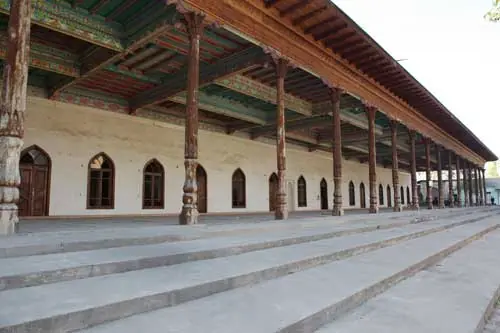
Positioned in the western section of the complex, the historic mosque is built around a precisely angled courtyard bordered on three sides by rows of raised, arched iwans topped with domes. Five separate entrances — one from the south and two each from the north and east — allowed large numbers of worshippers to enter and exit efficiently during Friday prayers, a practical detail reflecting the mosque's role as the city's principal congregational space.
The Madrasah
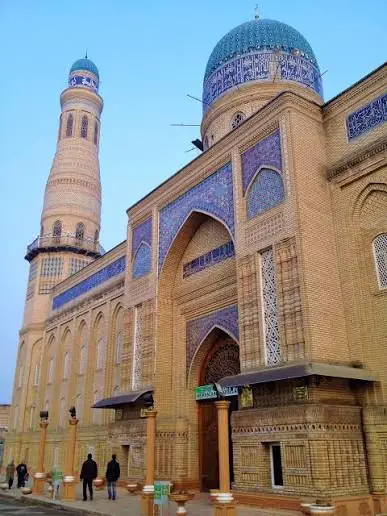
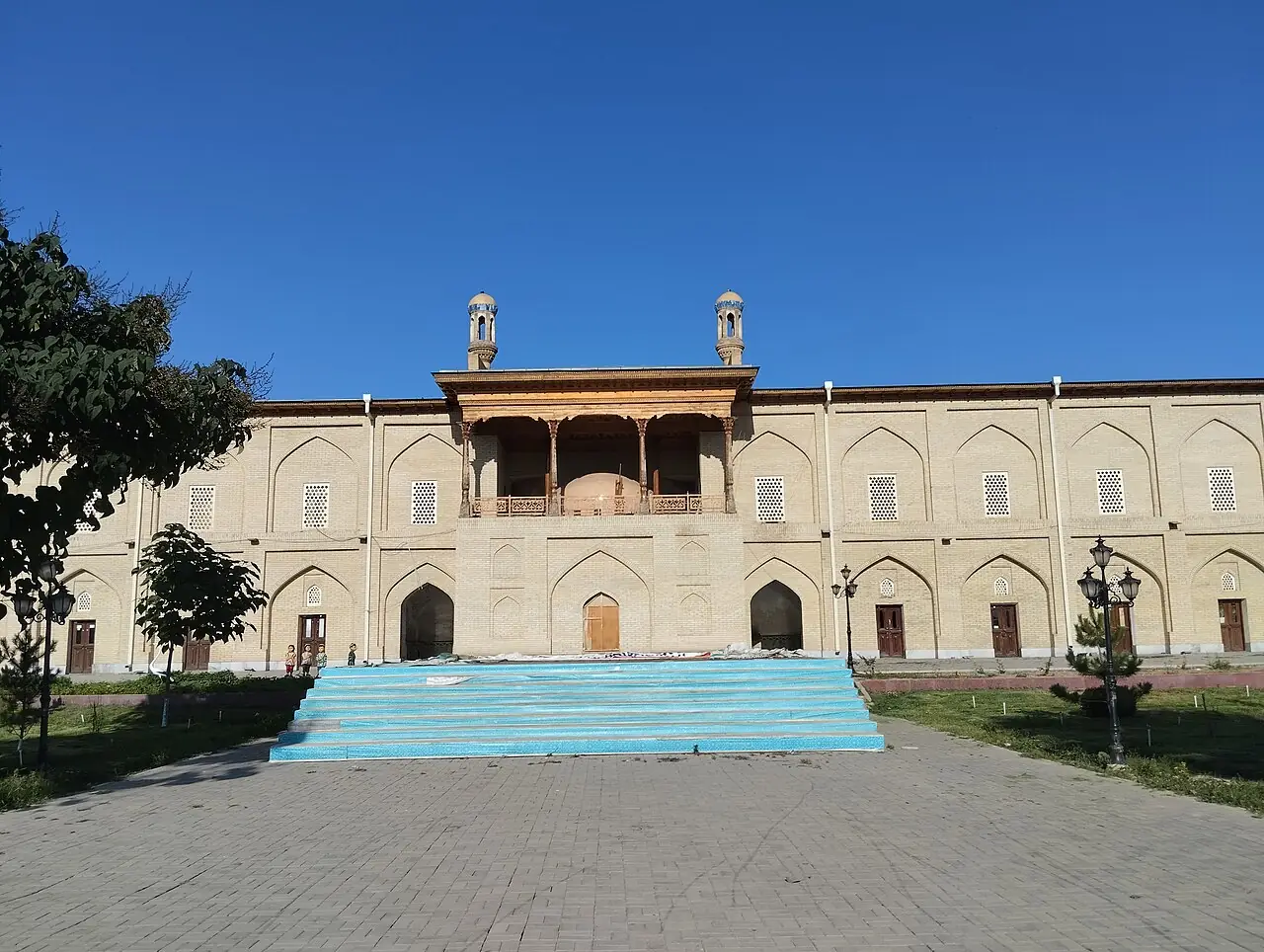
Stretching some 123 meters along its main facade, the madrasah is often cited as one of the largest religious teaching institutions ever constructed in the Fergana Valley. Originally built in an open, U-shaped layout, its interior spaces are organized around geometric latticework screens, deep niches, and shaded alcoves, while its grand eastern entrance rises on an elevated porch flanked by domed corner minarets and pointed arches on either side.
The Minaret
Rising from the mosque's courtyard to a height of around 32 meters, the minaret is the tallest in the entire Fergana Valley. Its octagonal first-tier gallery rests atop an eight-sided base, while the upper section is crowned with a domed finial and crescent moon, its surface enriched with decorative banding and carved detail that make it visible — and recognizable — from across much of Andijan's old town.
An Architectural Masterpiece of the Fergana Style
Where the grand religious monuments of Samarkand and Bukhara lean heavily on brilliant turquoise domes and vast glazed-tile surfaces, the Jome Mosque Complex represents a distinctly local architectural vocabulary. Its decoration favors blue and green mosaic patterning worked in more restrained, intricate compositions, paired with extensive carved woodwork and plaster detailing — hallmarks of the craft traditions that developed within the Fergana Valley itself rather than being imported wholesale from the imperial capitals further west.
The madrasah's main facade, oriented east according to Islamic architectural convention, is dominated by a traditional Fergana-style portal flanked by slender decorative minarets, while domed gazebos punctuate the corners of its ground floor. Upper-floor cells are marked by arched alcoves that add rhythm and visual interest to what is, in essence, a vast and functionally straightforward teaching building — proof that scale and ornament here were never separated from the complex's everyday educational purpose.
Perhaps the complex's most striking architectural achievement is its sheer ambition: a mosque with a 26-arch main facade, a madrasah stretching well over a hundred meters, and the tallest minaret in the entire valley, all realized using local materials and craftsmanship in the final years of pre-Soviet Central Asian architecture. Few surviving complexes in the region combine this scale of construction with such an unmistakably regional aesthetic identity.
The 2018 addition of a dramatically larger modern mosque building beside the historic ensemble — featuring twin 54-meter minarets and an 18-meter dome, built in a four-iwan, four-entrance style echoing the valley's older traditions — has created an unusual architectural dialogue between centuries, with the nineteenth-century complex and its twenty-first-century neighbor standing together as a single, continuously evolving religious site.
Why Visit the Jome Mosque of Andijan?
The Jome Mosque Complex offers travelers a chance to see the Fergana Valley's own architectural tradition at its most ambitious — a monument that rivals the scale of Samarkand's and Bukhara's grand religious buildings while remaining distinctly rooted in local craft and design.
During your visit, you can:
Explore one of the largest historic mosque-madrasah complexes ever built in the Fergana Valley.
Stand beneath the tallest minaret in the entire valley, rising some 32 meters above the old town.
Admire the distinctive blue-and-green mosaic patterning and carved woodwork of local Fergana craftsmanship.
See a rare surviving monument that withstood Andijan's devastating 1902 earthquake largely intact.
Compare the historic 19th-century complex with the vastly larger modern mosque built beside it in 2018.
Visit the regional literary and art museum now housed within part of the historic complex.
Best Time to Visit
The Jome Mosque Complex can be visited throughout the year, but the mild temperatures of spring and autumn make exploring Andijan's old town on foot far more comfortable than during the valley's hot summer months.
The most recommended seasons are:
Spring (April–June): Comfortable temperatures and clear skies are ideal for admiring the complex's tilework and carved facades.
Autumn (September–October): Cooler days provide a pleasant setting for exploring both the historic and modern mosque buildings.
As the complex remains an active place of worship, visiting outside of Friday prayer times generally allows for a quieter, more unhurried look at the mosque, madrasah, and minaret.
Interesting Facts
The complex was built between 1883 and 1890 and covers a total area of 1.5 hectares.
The madrasah's main facade stretches approximately 123 meters, making it one of the largest in Central Asia.
At roughly 32 meters tall, the historic minaret is the tallest in the entire Fergana Valley.
The complex survived the devastating 1902 Andijan earthquake with comparatively little damage.
A section of the historic complex now houses the Andijan Region Literary and Art Museum.
The new mosque building added in 2018 can accommodate more than 15,000 worshippers, triple the capacity of the original structure.
Travel Tips
Allow around 45 minutes to an hour to explore both the historic complex and the adjacent modern mosque.
Dress modestly and remove your shoes before entering prayer areas, as this remains an active place of worship.
Look up while inside the madrasah and mosque interiors to appreciate the geometric and floral ceiling patterns.
Visit the on-site literary and art museum for additional context on Andijan's cultural history.
Combine your visit with a walk through Andijan's surrounding old town streets and nearby Navoi Park.
The Timeless Legacy of the Jome Mosque
The Jome Mosque Complex stands as one of the clearest expressions of the Fergana Valley's own architectural voice — a monument built not by imperial decree but through local ambition, craftsmanship, and civic pride in the final decades before the region's political landscape was reshaped. Its survival through earthquake, war, and a century of political change speaks to both the skill of its builders and the enduring importance of the site to the people of Andijan.
Today, standing beside its vastly larger twenty-first-century neighbor, the historic complex continues to anchor the spiritual and cultural life of the city, offering visitors a rare opportunity to see how a single sacred site can grow and adapt across more than a century while never losing its role as the beating heart of its community.
📞 Phone: +998 97 397 37 73
📧 Email: lapislazulitours@gmail.com
The Living Memory Vault of the Fergana Valley
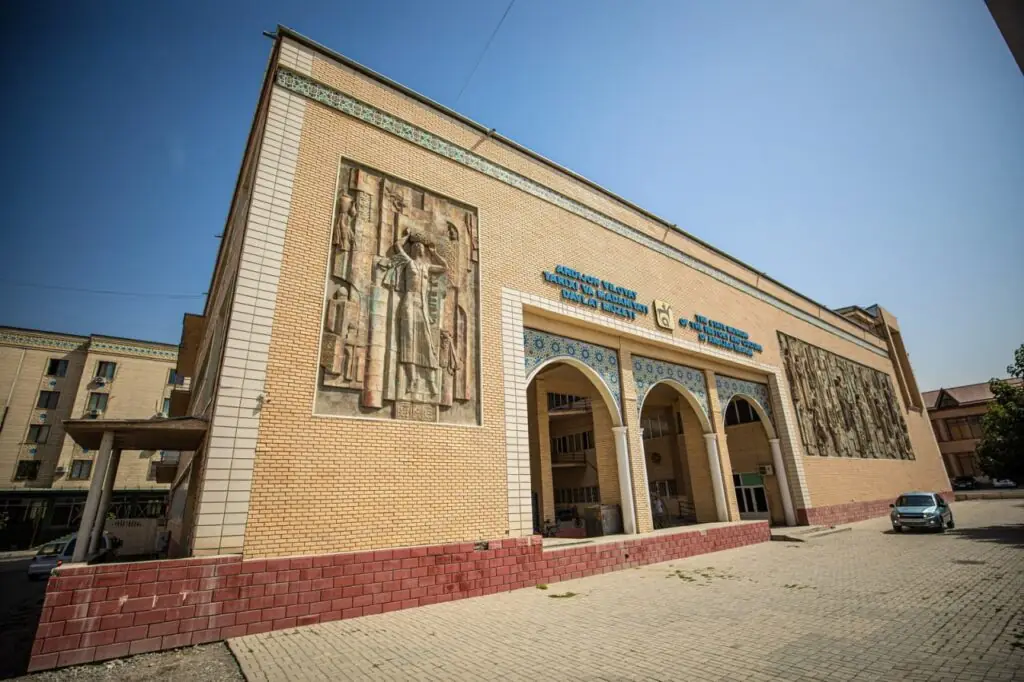
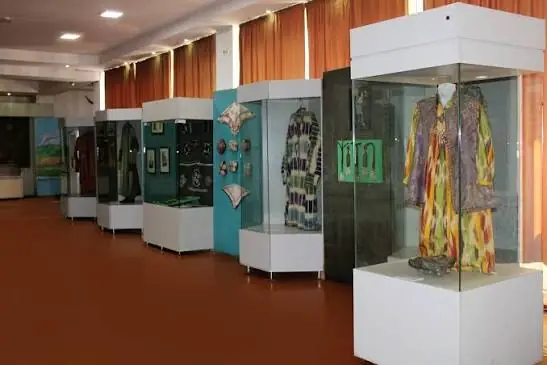
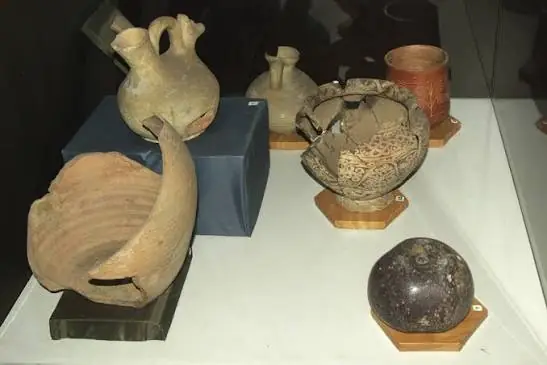
Tucked into the old quarters of Andijan, the Andijan Regional Museum of History and Local Lore ranks among the most complete repositories of Fergana Valley heritage anywhere in Uzbekistan. Housed in a purpose-built structure covering more than 5,300 square meters, the museum now safeguards tens of thousands of objects — pottery shards, coins, manuscripts, embroidered textiles, and archaeological finds — that together trace the valley's story from its earliest settled communities up through the present day.
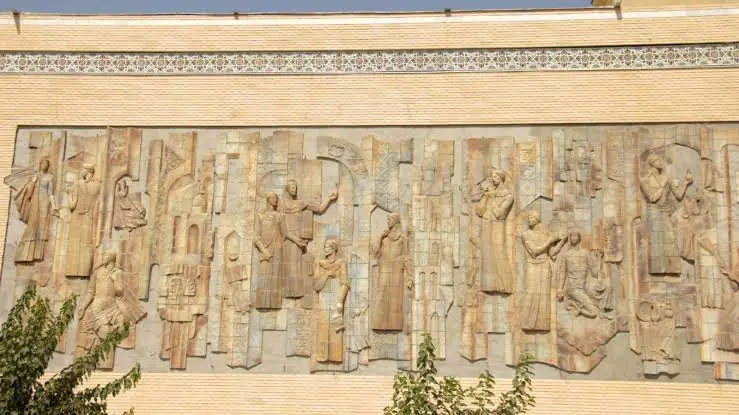
Rather than standing as a single static hall, the institution has grown into a wider network of connected sites across the city, each preserving a different layer of Andijan's past. From the grounds of the historic Ark fortress to memorial houses dedicated to some of the region's most celebrated literary figures, the museum complex weaves together archaeology, fine art, ethnography, and biography into one continuous narrative of the valley's cultural life.
For visitors making their way through the Fergana Valley, the Andijan Regional Museum offers something the standing monuments alone cannot: a close-up look at the everyday objects, artworks, and personal belongings that give texture to the region's grander architectural landmarks, turning stone and tile into lived human history.

From an Agricultural Exhibition to a Regional Treasury
The museum's roots stretch back to 1934, when it was established on the foundation of a local agricultural exhibition rather than as a purpose-built cultural institution. For decades it operated out of a series of adapted buildings around the city, gradually enlarging its holdings as archaeologists and ethnographers working across the Fergana region began depositing their finds with the young institution.
It was only after years of piecemeal growth that the museum finally moved into a specially designed building constructed to house its expanding collection properly. That step transformed a modest provincial exhibition space into one of the principal scientific and cultural centers of the Fergana Valley, with dedicated halls for archaeology, ethnography, fine art, and applied crafts.
In more recent years, the institution has been reorganized into a broader regional structure bringing together several historic sites under one administrative roof — among them a memorial complex tied to the old Jome Mosque quarter, a house-museum devoted to Zahiriddin Muhammad Babur within the grounds of the former Ark fortress, a museum honoring the poet and reformer Abdulhamid Sulaymon oʻgʻli Cholpon, and a memorial dedicated to the writer Zakirjan Habibi. Together, these branches now hold well over one hundred thousand items relating to the region's history and culture.
This gradual expansion mirrors the story of Andijan itself: a city whose institutions grew organically out of local initiative, absorbing new sites and collections over time rather than being conceived all at once, so that today's museum network reads almost like a layered archive of the valley's own historical development.


One Museum, Five Historic Sites
The Main Local Lore Exhibition
The core building near the old town organizes its holdings into ethnography, fine art, applied crafts, and archaeology. Among its most celebrated pieces are depictions of the so-called "heavenly horses" of Fergana, images carved in the mountains near Aravan dating to the first centuries of our era — the very breed of steed that, according to ancient Chinese envoys who passed through the valley, once drew rival states into conflict over their prized bloodlines.
The Babur House Museum
Set within the grounds of the historic Ark citadel, this branch is dedicated to Andijan's most famous native son, the poet, memoirist, and founder of the Mughal dynasty, Zahiriddin Muhammad Babur. Its displays draw on the era of Babur and his successors, connecting the city's medieval past to the wider sweep of Central and South Asian history.
The Cholpon Memorial Museum
A separate branch preserves the life and legacy of the poet and public figure Abdulhamid Cholpon, one of the leading voices of early twentieth-century Uzbek literature, offering visitors insight into the region's modern literary and intellectual awakening.
The Kala Memorial Complex
Focused on Andijan's history through the nineteenth and early twentieth centuries, this branch holds the single largest share of the network's combined collection, illustrating the social and political transformations the city experienced on the eve of, and during, the Russian imperial period.
The Habibiy Memorial Museum
Rounding out the network, this branch commemorates the writer Zakirjon Habibiy, adding a further layer of literary and biographical context to the museum's broader portrait of Andijan's cultural figures.
A Collection Rooted in the Valley Itself
Unlike museums that assemble objects from far-flung regions, virtually everything held by the Andijan Regional Museum was either unearthed within the Fergana Valley or is directly tied to its history — a policy that gives the collection an unusually coherent sense of place. Archaeological material spans from ancient settlement remains through the medieval period, while ethnographic holdings capture the crafts, costume, and daily life of the valley's more recent past.
The museum's fine-art and applied-craft sections give particular attention to Andijan's long-standing reputation as a center of artisanal production along the Silk Road, where pottery, ceramic stucco work, gold embroidery, and engraved copperware were once traded across enormous distances. Alongside historic pieces, the museum also exhibits work by contemporary Fergana artists and craftspeople who continue these traditions today.
Perhaps most evocative are the museum's references to the ancient state of Dawan, described nearly two thousand years ago by a Chinese envoy who traveled through the valley and recorded a land of dozens of walled cities, irrigated farmland, and celebrated horse breeding — a portrait that places Andijan's own history within a far larger web of Silk Road exchange between Central Asia and East Asia.
Why Visit the Andijan Regional Museum?
Where Andijan's mosques and madrasahs reveal the valley's architectural achievements, the regional museum fills in the human story behind them — the people, crafts, and everyday objects that give the city's monuments their deeper context.
During your visit, you can:
See rare carved images of the legendary Fergana "heavenly horses" dating back nearly two thousand years.
Explore the Babur House Museum inside the historic Ark citadel grounds.
Trace the region's craft traditions through historic and contemporary Fergana pottery, embroidery, and metalwork.
Discover the literary heritage of Andijan through the Cholpon and Habibiy memorial branches.
Learn how the ancient state of Dawan connected the Fergana Valley to the wider Silk Road world.
Follow the region's story across five connected historic sites within a single museum network.
Best Time to Visit
Since the exhibition halls are indoors, the museum can be comfortably visited at any time of year, making it a practical stop even during the valley's hottest or coldest months.
Even so, certain seasons make the overall visit more enjoyable:
Spring (April–June): Mild weather makes it easy to combine the museum with walks around the nearby Ark and old town.
Autumn (September–October): Cooler days are well suited to visiting several of the museum's branches across the city in a single trip.
Visiting on weekday mornings generally means smaller crowds, giving you more time with individual exhibits and staff who are often happy to share additional background on request.
Interesting Facts
The museum was founded in 1934 on the base of a former agricultural exhibition.
Its main building covers more than 5,300 square meters of exhibition space.
Across its branches, the museum network preserves well over one hundred thousand individual exhibits.
Carved images of Fergana's famed "heavenly horses" found near Aravan date to the 1st–3rd centuries.
The museum network includes memorial branches for both Babur and the poet Cholpon.
Ancient Chinese envoys recorded the Fergana Valley as home to the state of Dawan, with dozens of walled cities.
Travel Tips
Set aside at least an hour for the main building, and more if you plan to visit the Babur House Museum as well.
Ask staff about the Fergana "heavenly horse" carvings — they're easy to miss without guidance.
Combine your visit with the nearby Ark citadel grounds for a fuller picture of Andijan's history.
Check ahead if you specifically want to visit the Cholpon or Habibiy memorial branches, as hours can vary by site.
Pair your visit with the nearby Jome Mosque complex to see Andijan's history and living heritage side by side.
The Enduring Role of the Andijan Regional Museum
Grown from a single agricultural exhibition into a network of five historic sites, the Andijan Regional Museum reflects the same organic, community-driven spirit that shaped so much of the city's built heritage. It is less a single destination than an evolving archive — one that keeps expanding as new excavations and donations add fresh chapters to the valley's story.
For anyone hoping to understand Andijan beyond its skyline of domes and minarets, the museum offers the missing human dimension: the tools, artworks, letters, and everyday objects through which the people of the Fergana Valley have shaped, and been shaped by, one of Central Asia's most storied regions.
📞 Phone: +998 97 397 37 73
📧 Email: lapislazulitours@gmail.com
The Beating Commercial Heart of the Fergana Valley
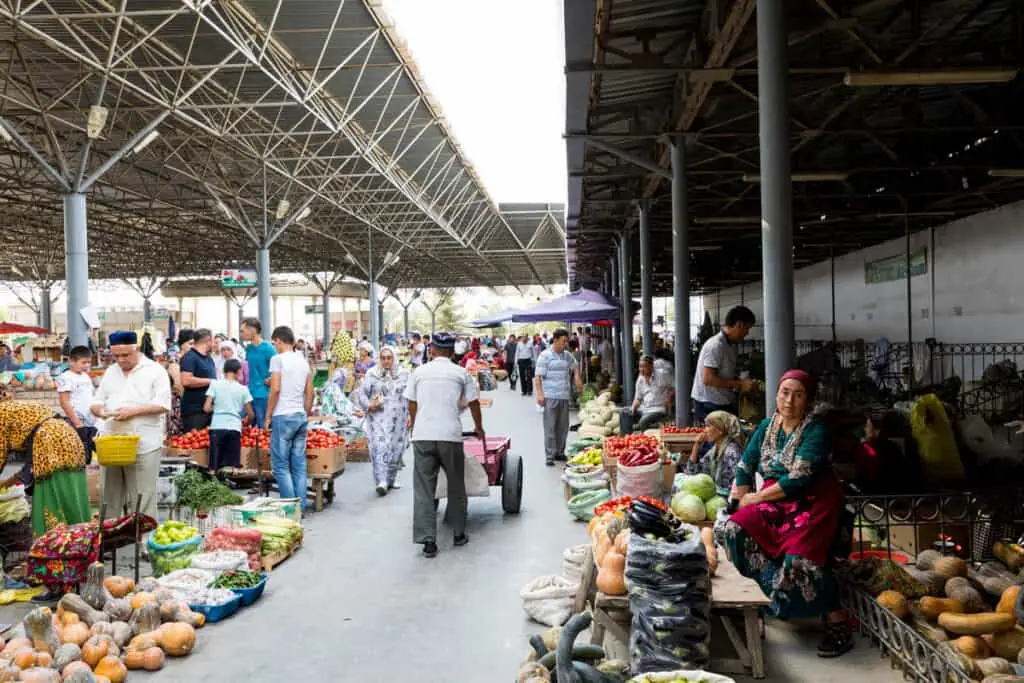
Sprawling across the northern edge of Andijan, Jahon Bazaar is widely regarded as the largest and liveliest trading ground on the Uzbek side of the Fergana Valley. Long before shopping malls and supermarkets arrived in the region, markets like this one were where the valley's farmers, craftsmen, and townspeople came together to trade, and Jahon Bazaar continues that tradition on a genuinely enormous scale, drawing traders and shoppers from Andijan itself as well as from the surrounding countryside.
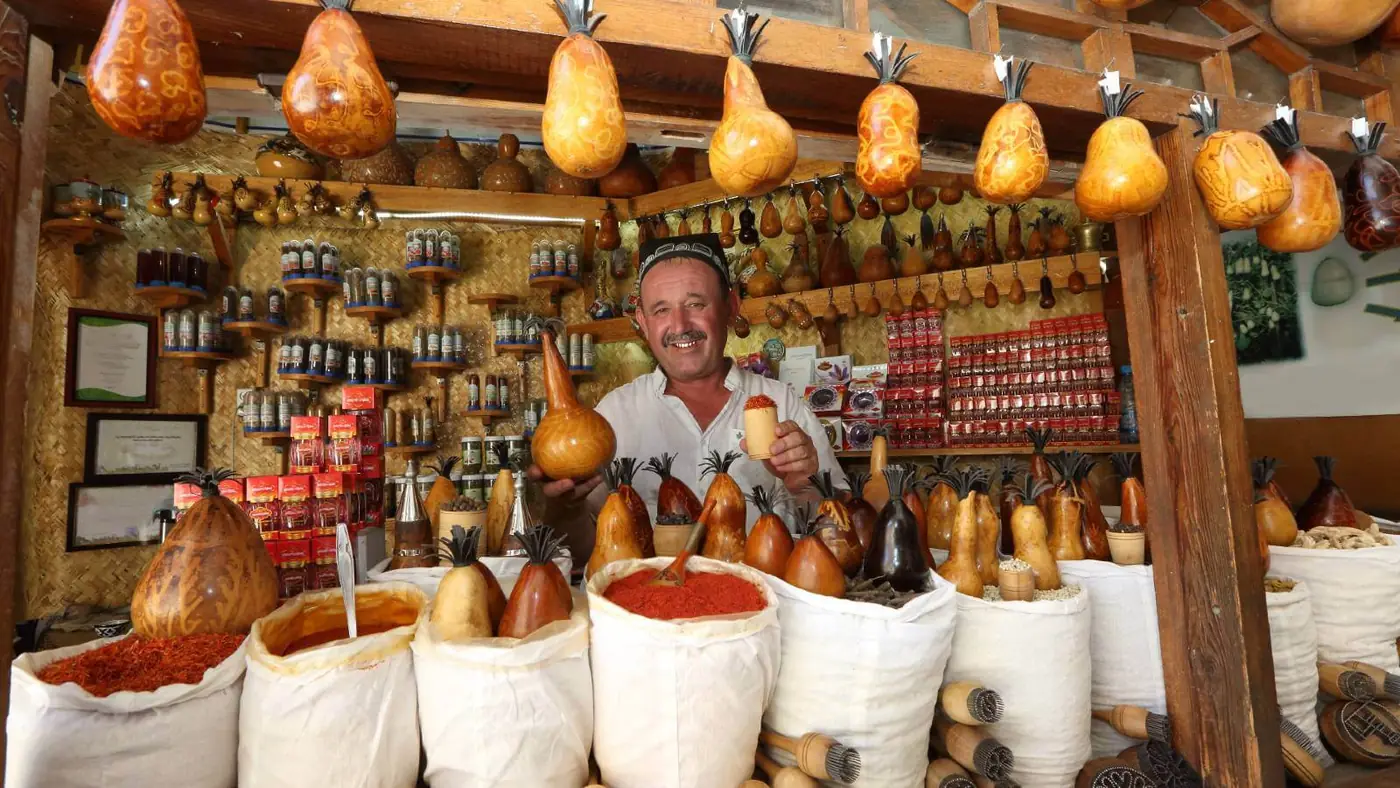
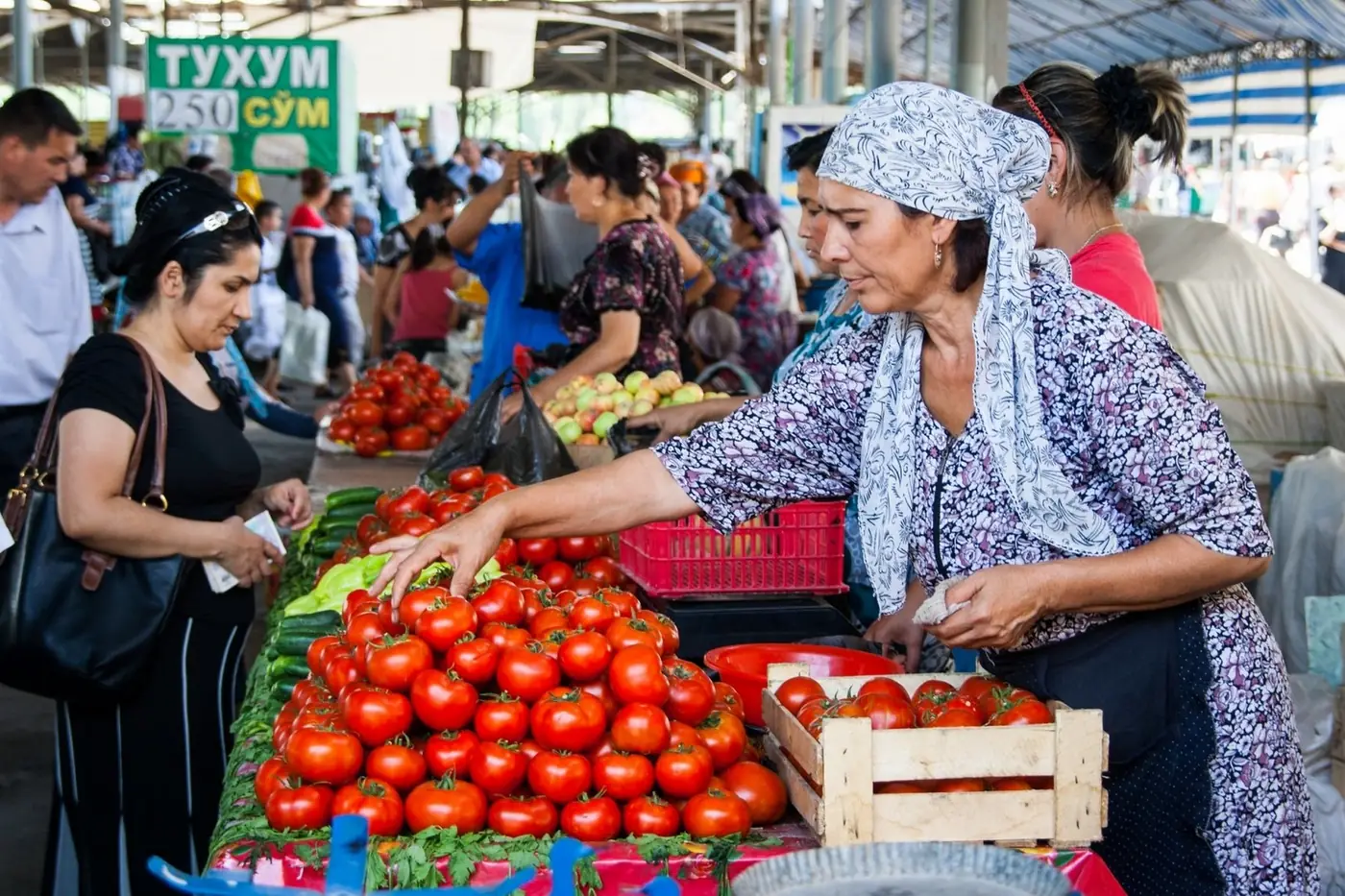
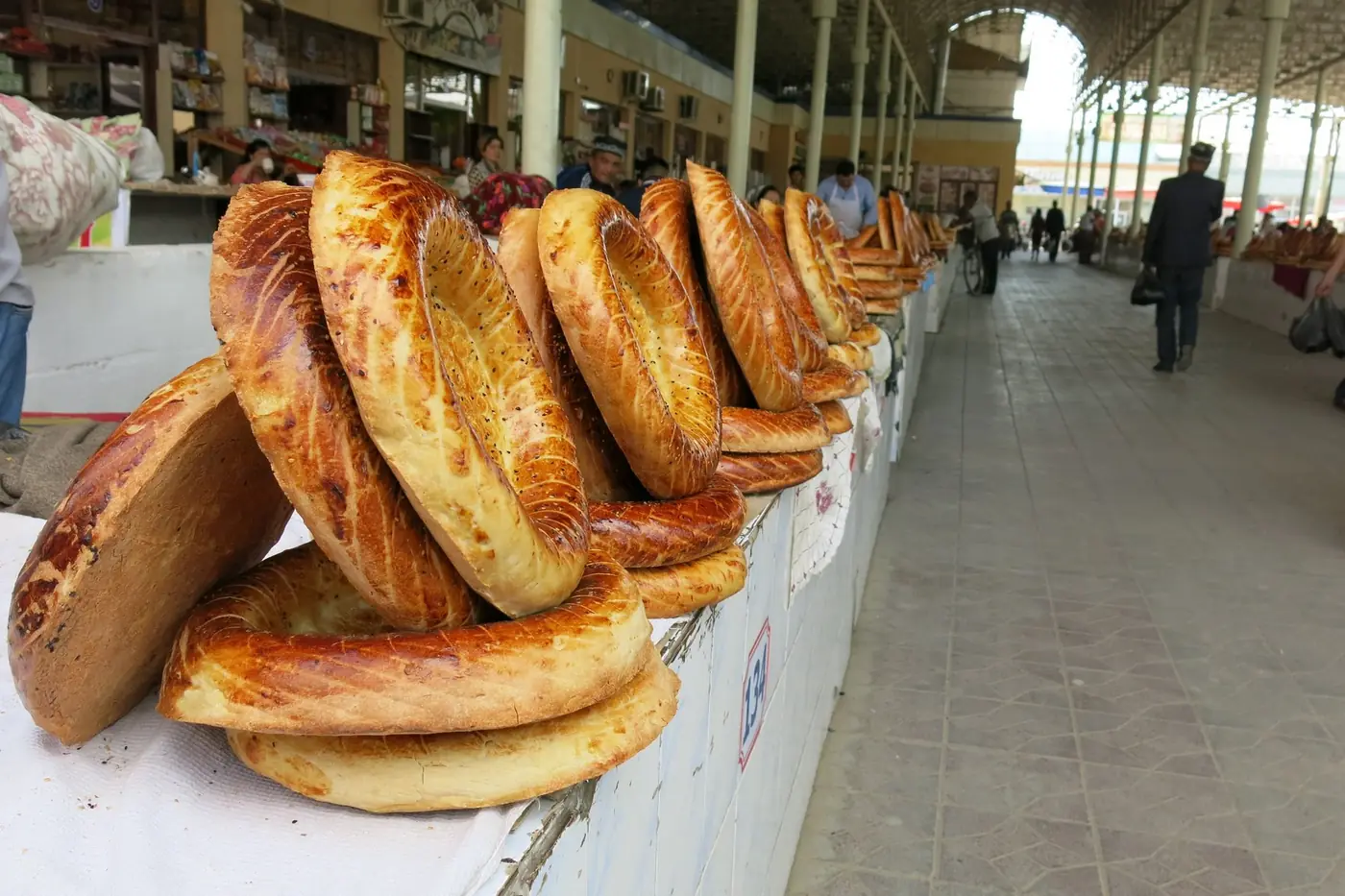
Unlike a curated tourist market, Jahon Bazaar is a working commercial hub first and a sightseeing destination second — which is precisely what makes it so compelling for travelers. Mountains of melons, sacks of spices, hand-woven adras and atlas silk fabrics, embroidered skullcaps, fresh bread pulled straight from tandoor ovens, and stalls of ironwork and knives all sit side by side, giving visitors an unfiltered look at how daily commerce actually functions in the Fergana Valley.
For anyone hoping to understand Andijan beyond its historic mosques and museums, a walk through Jahon Bazaar offers something those sites cannot: a direct, sensory encounter with the valley's living culture, its produce, its craftsmanship, and the everyday rhythm of the people who call it home.
A Marketplace Rooted in the Silk Road
Andijan's trading traditions reach back far earlier than any single building or bazaar structure. Founded roughly a thousand years ago and known in early records under names closely related to its present one, the city grew up as a stop along Silk Road routes linking China, Persia, and the wider Middle East, and marketplaces of one form or another have occupied its streets for much of that long history.
Andijan today supports several major bazaars, each serving a slightly different role in the city's commercial life — the historic Eski Bazaar in the old town near the Jome Mosque, the Yangi Bazaar closer to the newer districts and transport hubs, and Jahon Bazaar itself, which has grown over the decades into the largest and most encompassing of the three, drawing traders from well beyond the city limits.
Positioned north of the old town, Jahon Bazaar expanded alongside Andijan's own growth into the largest city in the Fergana Valley, with its trading grounds gradually stretching outward as demand grew. What began as a local produce and livestock market broadened over time into a sprawling commercial district covering everything from fresh food to textiles, tools, and household goods.
Even as modern retail formats have arrived in Uzbekistan's larger cities, Jahon Bazaar has kept its essential character largely unchanged: an open, sprawling, deeply social space where bargaining is expected, relationships between regular traders and customers matter, and the rhythms of the agricultural calendar — melon season, cotton harvest, wedding season — still visibly shape what fills the stalls.
A Market Organized by Trade, Not by Design
The Produce and Food Rows
At the heart of the bazaar, trucks unload mountains of Fergana Valley melons, grapes, and stone fruit onto open stands, while nearby vendors sell fresh bread straight from clay tandoor ovens, dried fruits, nuts, spices, and the region's beloved kurt — a tangy, dried dairy snack rolled into small balls. Simple open-air dining rooms scattered throughout serve plov, shashlik, and other national dishes to shoppers taking a break from bargaining.
The Textile and Craft Section
True to the Fergana Valley's reputation as a center of traditional weaving, sections of the bazaar are devoted to hand-woven adras and atlas silk-cotton fabrics in bold, characteristic patterns, alongside embroidered doppi skullcaps and other locally made textiles — a strong alternative for travelers who miss the famous silk markets of nearby Margilan.
The Artisans' Fringes
Around the edges of the main trading grounds, the bazaar gives way to working artisans rather than simple stalls: blacksmiths hammering out tools over open forges, knife makers grinding and polishing blades, carpenters, and brush sellers, offering a rare glimpse of hands-on craft production that has largely disappeared from more modernized markets elsewhere.
Household Goods and Everyday Life
Beyond food and craft, wide stretches of Jahon Bazaar are given over to clothing, kitchenware, hardware, and the sort of everyday household items that make the market a genuine, functioning commercial center for the whole city rather than a display arranged for outsiders.
More Than a Market — A Social Institution
In the Fergana Valley, a bazaar has always been more than a place to buy and sell. It is where residents from Andijan's many mahallas, or neighborhoods, and from surrounding villages meet, exchange news, and maintain the social ties that hold the community together — a function Jahon Bazaar continues to serve on a daily basis, not only on its busiest trading days.
Bargaining here is not simply tolerated but expected, treated almost as a form of conversation between buyer and seller. Regular traders often know their long-standing customers by name, offering advice on the best produce of the day free of charge, while itinerant vendors move through the crowds carrying sweets, cool drinks, or seasonal treats depending on the time of year.
The bazaar's rhythm shifts noticeably with the agricultural calendar — the market bursts at its busiest during melon season and around major holidays and wedding seasons, while activity quiets considerably during the cotton harvest, when much of the surrounding countryside is occupied in the fields rather than at market.
Why Visit Jahon Bazaar?
Where Andijan's mosques and museums preserve the region's past, Jahon Bazaar puts its present on full display — a working, breathing marketplace that captures the everyday energy of the Fergana Valley better than almost any other single site in the city.
During your visit, you can:
Explore one of the largest and busiest bazaars on the Uzbek side of the Fergana Valley.
Sample fresh Fergana Valley melons, dried fruits, and traditional kurt.
Shop for hand-woven adras and atlas silk fabrics and embroidered doppi skullcaps.
Watch blacksmiths, knife makers, and carpenters at work along the market's fringes.
Practice the art of friendly bargaining alongside local shoppers.
Experience the everyday social life of the Fergana Valley up close, away from formal tourist sites.
Best Time to Visit
Jahon Bazaar operates daily, but its scale, energy, and selection swell dramatically on its two main trading days, when villagers from across the Fergana Valley pour into the city specifically to buy and sell.
The most recommended times are:
Thursday and Sunday mornings: The bazaar's two busiest days, when stalls overflow and the market spills into the surrounding streets.
Early morning, around 8:00–9:00 AM: Produce is freshest, temperatures are cooler, and the crowds are still building.
Outside the cotton harvest season, when many rural traders are occupied in the fields, the bazaar keeps a lively, steady rhythm throughout the year, though spring and autumn remain the most comfortable seasons for a long, unhurried walk through its rows.
Interesting Facts
Jahon Bazaar is considered the largest bazaar on the Uzbek side of the Fergana Valley.
The bazaar operates daily but is significantly larger on Thursdays and Sundays.
Its textile stalls offer hand-woven adras and atlas fabrics associated with the Fergana Valley's weaving traditions.
Andijan supports three major bazaars, with Jahon Bazaar being the largest of the three.
The market's fringes are home to working blacksmiths, knife makers, and carpenters.
Andijan itself has roots stretching back roughly a thousand years as a Silk Road trading city.
Travel Tips
Bring cash — most vendors at the bazaar do not accept cards, and small bills make bargaining easier.
Agree on a taxi fare before you get in, as street cabs are common and meters are not always used.
Visit on a Thursday or Sunday for the fullest experience, or on a quieter weekday for a more relaxed pace.
Bargain politely and with good humor — it's part of the local shopping culture, not a sign of distrust.
Wear comfortable shoes and bring a hat or water in summer, as the market covers a large, largely open-air area.
The Enduring Pulse of Jahon Bazaar
Long after caravans stopped passing through the Fergana Valley, the trading instincts they left behind have carried on in places like Jahon Bazaar — a market that has grown, adapted, and expanded across generations while holding onto the essentially social, unhurried character that defines bazaar culture throughout Central Asia.
For travelers willing to wander its rows, haggle a little, and taste a slice of melon offered by a smiling vendor, Jahon Bazaar offers something no monument can replicate: an unscripted, living encounter with the everyday rhythm of the Fergana Valley, exactly as its people continue to shape it today.
📞 Phone: +998 97 397 37 73
📧 Email: lapislazulitours@gmail.com